
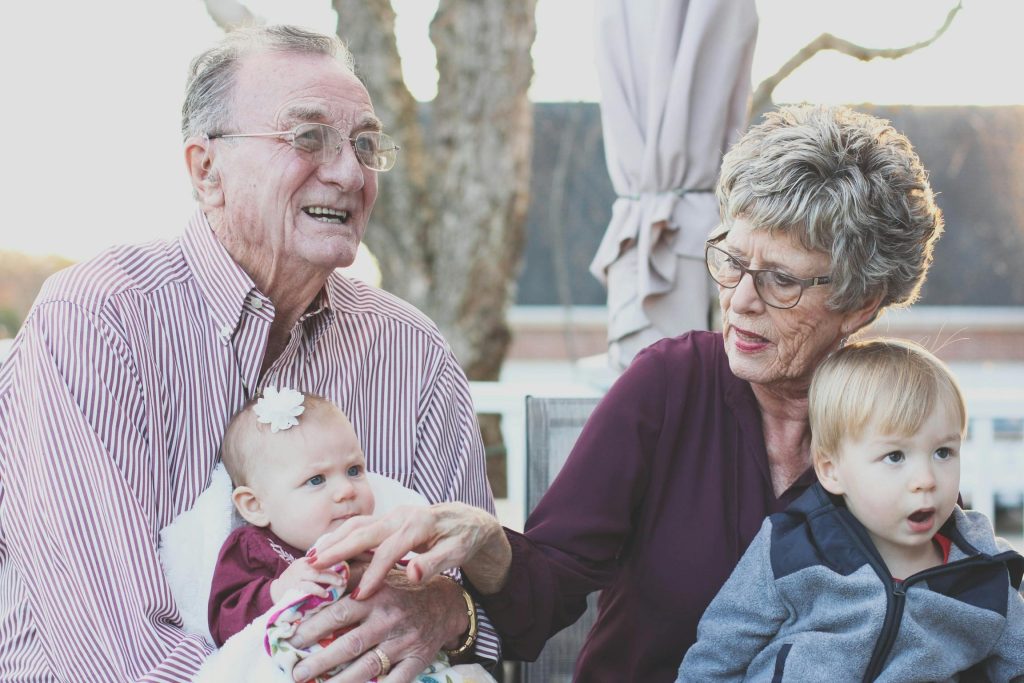
As they reach a mature age, many people start to think about the future of their loved ones. A will can be an indispensable tool here. It ensures that your wishes are respected after you pass away.
According to statistics, around 50% of all older Danes have not made a will, which can lead to disputes and uncertainty among the heirs. By taking control of your estate through a will, you avoid such conflicts.
Making a will as a senior lets you decide for yourself who inherits what. Without one, the default rules of the Danish Inheritance Act (arveloven) may mean that your assets are not divided as you wish.
Another important benefit is the peace of mind it gives your loved ones. When everything is clearly set out in your will, it reduces stress and guesswork for those left behind.
It is also about financial security. For example, specific possessions or sums of money can be left to individual heirs or to charity. This allows you to ensure a fair and well-thought-out distribution based on individual needs or relationships.
A will also offers the flexibility to make adjustments as your circumstances change – such as new family members or changes in the property you own.
Why Make a Will as a Senior?
As you get older, it is important to take control of your estate and the decisions that come with it. There are several specific reasons why a will can be a good idea for seniors:
- Changes in the family: Life often changes; perhaps you have had grandchildren, or there has been a divorce in the family. A will ensures that your wishes reflect these changes.
- Financial circumstances: As a senior, your financial circumstances can vary considerably. By making a will, you can plan a fair distribution of your assets based on your current financial situation.
- Easing the legal process for your loved ones: When everything has been put in order in a clearly worded will, it makes the legal process easier for those left behind and reduces the risk of conflicts and disputes.
Another important factor is the wish to protect certain family members or friends financially. With a well-considered will, you can safeguard particular people against unexpected expenses or problems.
Remember also to include personal valuables and belongings in your will—these could be heirlooms or sentimental items that mean a great deal to you and your family.
Passing On a Home After a Death
When a death occurs, there are several important steps to take to ensure that the home passes smoothly to the heirs. It can seem complex, but following a structured approach makes it more manageable.
- Contact the probate court: The first step in the process is to contact the probate court (skifteretten). This is where the administration of the estate begins, and you will get a clear picture of which documents are needed.
- Gathering documentation: Collect all relevant documentation relating to the home. This includes proof of ownership, any debt obligations and any previous wills or other legal agreements.
- Valuing the property: Have the home valued. This valuation forms the basis for the financial decisions and can affect both the administration of the estate and any inheritance tax.
- Deciding on the form of administration: Choose the right form of administration (skifteform) – private or public – depending on the family’s wishes and the complexity of the estate.
- Planning the distribution of the inheritance: Draw up a plan for how the assets are to be divided among the heirs, in accordance with the will or the statutory default rules.
- Tax implications: Consider the tax consequences of transferring the home. You may need to seek professional advice to understand every aspect of this.
- Publication and registration of title: Once all the documentation and permissions are in place, the changes must be made public and correctly registered with the relevant authorities – a step known as tinglysning (registration of title) – to complete the official transfer.
Transferring your home safely
If you are a senior and want to make sure your home is passed on safely, it is essential to have a clear and legally binding will. This document protects your heirs against possible disputes and ensures that the transfer of your home goes smoothly.
First of all, you should make sure that the will contains all the necessary details about the home. This includes proof of ownership and any debts linked to the property. Being clear about this information helps to avoid misunderstandings among the heirs.
A common mistake is not updating the will after major life changes, such as a divorce or a death in the family. By reviewing and adjusting your will regularly, you can prevent conflicts later on.
Another important aspect of a safe transfer is choosing the form of administration – private or public. Weigh up the complexity of the estate and the family’s preferences to make the right decision.
In addition, tax consequences can affect the final value of the home for your heirs. Consulting an expert can help you deal with these challenges correctly and keep unnecessary costs to a minimum.
Finally, publication and registration of title must be handled correctly for the transfer to be completed. Make sure that all changes are officially registered with the relevant authorities – it gives peace of mind, both for you during the process and for those you leave behind.
Securing your home for your heirs
Securing your home for your heirs requires careful planning and the use of the right legal tools. There are several strategies you can consider to protect your loved ones from potential complications in the future.
One popular method is to set up a living trust. This is a document under which ownership of your home is transferred to a person you trust, or trustee, who manages it on behalf of your heirs. The advantage of a living trust is that it can avoid probate, which often makes the process quicker and reduces costs.
Another effective option is joint ownership, also known as “fælleseje”, with a right of survivorship. Here you share ownership of the property with one or more people, typically family members. On your death, your share passes automatically to the other owners without the need for probate.
To help you better understand the differences between these methods, we have put together a table:
| Method | Advantages | Disadvantages |
|---|---|---|
| Living trust | Quicker process, avoids probate | Requires setting up and ongoing maintenance |
| Joint ownership | Automatic rights | Can lead to disagreement among the co-owners |
Alongside these options, you should also consider traditional testamentary solutions, such as a clearly worded will. Although this normally involves probate after death, it allows you to state precisely what you want for the future of your home.
It can be worth consulting a lawyer who specialises in inheritance matters for advice tailored specifically to your needs and circumstances. That way, you not only secure the home for your heirs but also gain peace of mind, both now and in the future.
Key points for wills and property transfers
When you draw up a will with a focus on transferring property, there are several critical points to consider. Here are some key elements you should take into account:
- Protecting the title deed: Make sure that everything relating to the title deed (skøde) for the home is correctly documented. This secures ownership and protects against future disputes.
- Choosing an executor: Appoint a trusted person to administer your estate. The executor must be able to handle the legal aspects of the property transfer effectively.
- Clear wording: Be clear and precise about how you want the home to be divided among your heirs. This minimises the risk of misunderstandings later.
- Life changes: Update the will after major life changes such as marriage, divorce or the birth of new family members.
- Advice on your will: Consider professional advice from a lawyer who specialises in inheritance to make sure that all legal requirements are met correctly.
By considering these points carefully, you can ensure your home passes smoothly to the heirs of your choice.
Legal aspects of wills and title deeds
When it comes to wills and deed drafting, it is important to understand the legal aspects of both documents. Although they often go hand in hand, each has its own distinct function and significance.
A will is a legal document in which you set out your wishes for how your property is to be distributed after your death. It ensures that your valuables, including your home, are divided according to your preferences. A will only takes effect after death and can be changed or revoked for as long as you are alive.
A title deed (skøde), on the other hand, is the official document that proves ownership of a property. When property changes hands, the deed must be updated to register the new owner with the land registration authorities. A correctly drawn-up deed protects the heirs against any claims from third parties.
Although both the will and the deed concern the transfer of property, they serve different purposes. While the will focuses mainly on distribution after your death, the deed serves as an ongoing record of current ownership.
In practice, these two documents work closely together to ensure the home passes smoothly to the heirs. When the wishes in the will about the home’s future owner are to be carried out, the deed often has to be updated in the new owner’s name.
For example, your will can specify who is to receive your home when you pass away. This is then used as the basis for updating the deed at the land registry – a process that guarantees the transfer is lawful.
Navigating the legal requirements for both the will and the deed can be complex, so it is advisable to consult a lawyer who specialises in these areas for precise guidance tailored to your needs.
The link between your will and the title deed
When you choose to include your home in a will, it has a direct effect on the paperwork for the title deed. A will works as a plan for how your property is to be distributed after your death, while the deed is the document that officially records ownership of the home.
Imagine that your will states that your grandchild is to inherit the house. When the time comes to carry out this transfer, the deed will need to be updated to reflect the change of ownership from you to your grandchild.
This process begins when the will takes effect on your death. The will is then used as evidence of your wishes for the transfer of the home. The legal steps often include updating the deed with the land registration authorities to make sure it is correctly registered in the new owner’s name.
It is important to understand that although the will sets the framework for inheritance and transfers, no changes can take effect unless the paperwork for the title deed is done correctly. This ensures not only that everything is lawful but also that your heirs are protected.
One example could be a situation where several siblings are named in the will as equal beneficiaries of the family’s holiday home. Here the process requires not only an update of the deed but possibly also the issue of new individual deeds for each sibling, depending on the details of the arrangement.
That is why the will and the title deed are so closely linked when property is transferred; they work hand in hand to ensure a smooth transition from one owner to the next in accordance with your last wishes.
The role of a senior home in inheritance
When it comes to planning your estate, your senior home plays a central role. A senior home (seniorbolig) often differs from other properties because of its specific function as a home for older people. There are several factors to take into account when planning an inheritance that includes a home like this.
First and foremost, you need to consider the tax situation for a senior home. The tax rules can vary depending on the value and location of the property. It is important to understand the rules that apply and possibly consult a tax expert to make sure that no unexpected tax problems arise for your heirs.
You should also think about family agreements when it comes to the senior home. Perhaps several family members would like a share in the home after you pass away. In such cases, it can be wise to make clear agreements on how the home is to be used or divided among the interested parties.
Another important factor is the maintenance of the home. Senior homes often need more care because of their age or the special facilities designed for older residents. When planning your estate, agreements should be made on who will be responsible for ongoing maintenance and any renovations.
Finally, it can be helpful to involve professional advisers such as lawyers or financial advisers early in the process. They can help draw up the necessary documents and make sure that all the legal aspects are handled correctly.
With careful planning, you not only ensure a smooth transition to your heirs but also preserve the value and function of your senior home.
How your pension affects your estate
Your pension plays a crucial role in how your estate is divided, especially when your senior home is part of the will. The financial and legal implications of your pension can affect your heirs’ future ownership of the home.
When you retire, your financial situation often changes significantly. This can mean that less money is available for maintenance or alterations to your home. If the home is included in your will as a significant asset, you need to consider how your pension payments can cover any costs associated with the property.
From a legal point of view, possible claims from creditors against the estate after the death must be taken into account. In some cases, pension funds may be protected against such claims, but this depends on the specific pension scheme and the legislation where you live. You should therefore assess this carefully in relation to your senior home and inheritance.
It is also important to think about the tax implications of both the pension and the inheritance. Pension payments can affect the total amount left to pass on to your heirs after tax. Some pension schemes allow favourable tax treatment when passed on to the next generation, so it is wise to consult a tax expert for clear guidance.
For example, if your home is of considerable value and is expected to be passed on as part of the inheritance, you need to make sure that your pension income can cover the tax-related aspects without unnecessarily reducing the value for your heirs.
By carefully planning how your pension fits with the role your senior home plays in your estate, you ensure not only financial stability for yourself during your lifetime but also a smooth transition for the loved ones you leave behind.
Leave a comment