
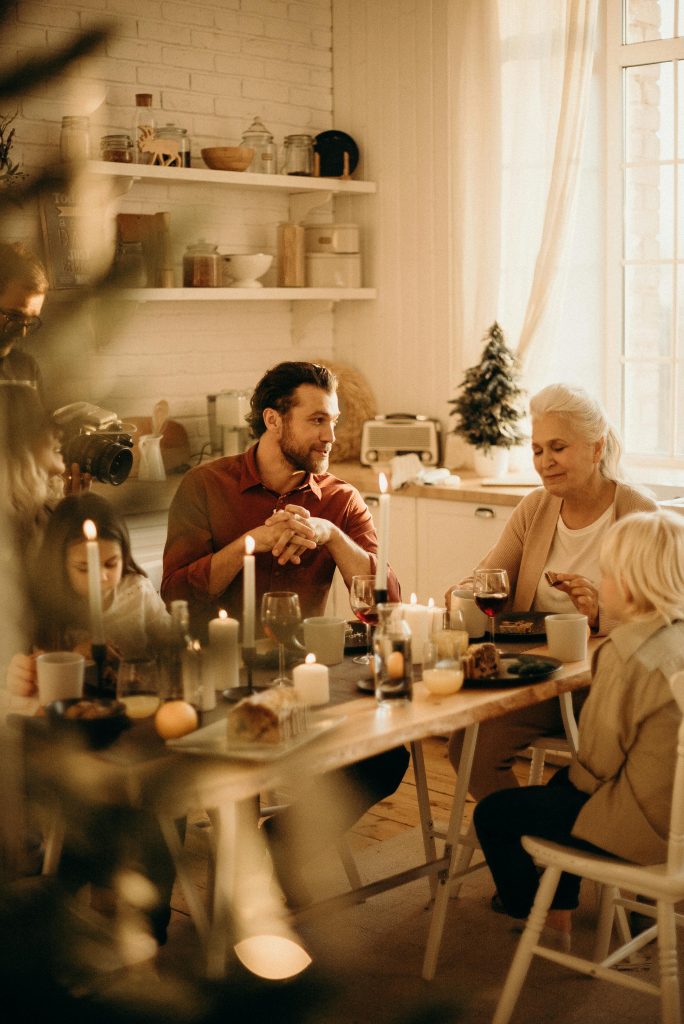
If you are considering a parental purchase (forældrekøb), it is important to understand the various aspects that come with it. A parental purchase means that parents buy a home for their children, often to give them a good start on the property market. However, the process can become complicated when it comes to inheritance.
Inheritance plays a major role in this context. When the property is to be passed on to the next generation, questions arise about fair distribution and how best to protect the interests of everyone involved.
The aim of this guide is to inform you about the processes surrounding inheritance in a parental purchase. We want to help you make sure the home is divided fairly between the heirs and give you an insight into the key steps in the process.
With careful planning and an understanding of the rules, you can navigate the challenges, whether you are the parent or the child, and avoid unnecessary conflicts later on.
Why is a will important in a parental purchase?
When you are facing a parental purchase, buying a home for your children can seem like a simple solution. But without a clear will, complications can arise later on. A will ensures that the interests of every family member are protected and that the home is divided fairly.
In a parental purchase, a will can:
- Protect the family’s interests: It shows clearly who is to inherit the flat.
- Prevent conflicts: With clear provisions, you avoid disputes over how the property is divided.
- Ensure validity: The will must be legally valid so that it is respected in the future.
- Meet individual needs: You can make special provision for individual family members or cohabiting partners.
The will acts as a guide to how the inheritance is to be divided. It also gives peace of mind, as it removes uncertainty and protects against unexpected decisions.
By having a will in place from the start of your parental purchase, you strengthen not only your family’s financial stability but also their emotional bonds, by ensuring a fair and transparent process.
How do inheritance rules affect your home?
Inheritance rules in a parental purchase can have a significant impact on how the ownership of your home develops over time. When you buy a flat for your children, it is not only the value of the property itself that needs to be taken into account. The legal rules on inheritance also play an important part in determining how the home is dealt with after your death.
One important factor to consider is the tax consequences. Inheritance tax can vary depending on the relationship between the deceased and the heirs, as well as on the value of the home. If, for example, the child inherits directly from the parents, the tax rates may differ from those for other family members or cohabiting partners.
From a legal point of view, a smooth transfer of ownership often requires precise documents and clear agreements. Without them, unexpected challenges can arise, such as legal fees or court disputes between the heirs.
Family structures also affect the situation. In traditional nuclear families, the rules are often more straightforward, while blended families with step-parents or half-siblings may face more complex questions about how things are divided.
That is why it is important to understand the specific inheritance rules for a parental purchase in your particular family situation. With careful planning and advice from professionals, you secure not just financial security but also peace within the family.
Who inherits the flat in a parental purchase?
When you face the question of who should inherit the flat in a parental purchase, it is important to understand the basic principles. In most cases, the children will be the main heirs to the property, but the situation can vary depending on the family’s structure and individual wishes.
Legally speaking, the Danish Inheritance Act (arveloven) often dictates that children are first in line to inherit from their parents. However, this does not necessarily mean the process is always straightforward. If there is a cohabiting partner in the picture without legally binding arrangements such as a will or a marital agreement (ægtepagt), the situation can become more complex.
This is where personal wishes come into the picture. Many parents may want to give both their children and a cohabiting partner financial stability after their death. That requires clear documentation and advice from lawyers to make sure everyone’s interests are respected and met.
Problems often arise in blended families with stepchildren or several cohabiting partners over the years. Without clear guidelines, disputes can break out between different groups of potential heirs.
The solution typically lies in thorough planning and professional guidance. With the help of legal experts, you can have a will or other relevant documents drawn up that specify exactly how the property is to be divided among the heirs.
This not only gives peace of mind but also makes a fair, conflict-free solution possible after the death. The right combination of the legal framework and personal wishes ensures a smooth transition to the next generation.
How a home is transferred after a death
When a home is to be transferred following a death, there are several legal steps and documents that must be in order to ensure a smooth transition. It can seem complex, but with the right guidance the process becomes more manageable.
The first step is to obtain a probate certificate (skifteretsattest). This certificate confirms the heirs’ right to the deceased’s estate and is needed to change the ownership of the home officially. The probate court (skifteretten) issues the certificate based on the information submitted about the inheritance and any wills.
Next, you need to arrange tinglysning (registration of title) of the change of ownership in the land register. This is done digitally via the website of Tinglysningsretten (the Danish Land Registration Court). Here, the new owners’ names are officially registered against the home, which is an important step in transferring a home after a death.
Another key task in this process is handling any debts attached to the home. If there are loans or charges on the property, these should be examined thoroughly so that any financial claims or restrictions can be met.
In addition, you may need help from a lawyer or an accountant to fill in and submit the various statements of assets and liabilities, and to pay any inheritance tax.
For larger estates, it can be wise to choose private administration (privat skifte) rather than public administration (offentligt skifte). This gives you more control over the distribution process – but it also requires good cooperation between the heirs.
The most important element of the whole process, however, is communication between everyone involved – both family members and professional advisers – so that no misunderstandings or unnecessary delays arise.
How to secure the inheritance for children and cohabiting partners
Securing an inheritance for both children and cohabiting partners in a parental purchase takes careful thought and planning. There are several strategies that can help you navigate the process.
One of the most effective ways is to make a clear will. This document lets you decide exactly how the property is to be divided among your heirs. By specifying the share for each child or partner, you avoid potential conflicts later on.
Another useful tool is a separate property agreement (særejeaftale). If you have a partner, such an agreement can ensure that the flat does not become part of the joint estate in the event of separation or death. This means the home will go to the party the separate property applies to – often a child from a previous marriage.
In situations involving blended families, with stepchildren or several partners over the years, for example, clear legal agreements become even more important. A will should therefore take these family differences into account and make clear what percentage each of the parties affected is to receive.
Imagine this scenario: you have bought a flat for your child from your first marriage, but you also want your current partner to be financially secure after your death. This is where a well-drafted will, combined with any life insurance policies, comes into the picture – both can be decisive in giving everyone involved peace of mind.
By carefully planning “parental purchase and inheritance”, you gain not only financial security but also long-term peace within the family.
Inheritance rights for unmarried partners
If you are in an unmarried relationship and own a home with your partner, the inheritance situation can become complex. Under Danish law, unmarried partners have no automatic right to inherit each other’s belongings, which can create challenges when one of you dies.
To ensure a fair distribution of the inheritance, it is vital to understand the legal framework. Without a will, the surviving partner will typically receive nothing from the estate, as children or other relatives come first under the Inheritance Act.
A practical solution, then, is to make a will. In it, you can state clearly how your jointly owned property should be divided between you and any children. This document ensures that both of you receive the share of the home or other assets that you want.
Besides a will, life insurance can also be a way of protecting each other financially. With a life insurance policy, you can name your partner as the beneficiary, so that they receive the payout directly on your death.
It is also possible to set up co-ownership agreements (samejeaftaler) that specify who owns what and how the value of the home is to be divided on a sale or a death. Such agreements provide clarity and minimise the risk of misunderstandings later.
Practical advice includes regularly reviewing your documents with a lawyer to make sure they stay relevant over time, and keeping everyone involved informed of any changes to the plans for “distribution of inheritance”.
This kind of planning not only creates financial security but also contributes to peace and harmony among the family members left behind.
Practical steps in the inheritance process with a lawyer
When you are facing the inheritance process, a lawyer can be invaluable. Here are some practical steps for involving a lawyer and making sure that “will and home” matters are handled correctly:
- Choosing the right lawyer: Start by finding a lawyer with experience in inheritance and property. Ask friends or family for recommendations, or look up online reviews to find the best expert.
- Preparing for the meeting: Gather all relevant documents, such as title deeds, wills and previous agreements about the home. This helps your lawyer understand the situation quickly.
- Discussing costs: Talk openly about the fees for the service. Many lawyers offer a fixed price or an hourly rate; choose whichever suits your budget best.
- Drawing up a will: With your lawyer’s help, you can make or update a will that clearly sets out your wishes on “will and home” matters.
- The benefits of professional advice: An experienced lawyer can guide you through complicated legal questions and help you avoid mistakes along the way.
By following these steps, you secure not only legal clarity but also peace of mind about the future of your possessions.
How family circumstances affect inheritance
When it comes to inheriting from parents and a parental purchase, family circumstances play a decisive role in how the inheritance is divided. If you have several children, you will often want to ensure a fair split between them. It can become complex, however, if one child lives in the flat, for example.
For siblings, it can be useful to consider co-ownership agreements or the option of buying each other out. This ensures that everyone gets their fair share of the value of their “inheritance from parents”. These considerations should be discussed openly with those involved and, where appropriate, set down in written agreements.
Single people face different challenges. Without children, they may wish to remember relatives such as nephews or nieces in their will. Here it is important to set out wishes regarding “inheritance from parents” clearly, so that the property is divided as intended.
In blended families, the situation becomes even more complicated. Stepchildren have no automatic right of inheritance, which calls for careful planning and specific wills to avoid conflict later on. Involving everyone affected early in the process can create understanding and harmony around the decisions.
Whatever the family situation, it is essential to think long term and allow for future changes; what happens if a new partner comes along, for example? Updating legal documents regularly keeps them relevant and fair over time.
The importance of good planning
Good planning is crucial when it comes to parental purchases and inherited homes. With a clear strategy, you can avoid many potential problems and make sure that both short-term and long-term goals are met.
In the short term, good planning is about creating transparency among all family members. When each person understands their role and what is expected of them, the risk of misunderstandings and conflicts is reduced. This might involve, for example, detailed documentation of ownership agreements or the consent of everyone involved before major decisions are made.
In the long term, a well-considered plan protects the family’s assets by ensuring that the home is passed on according to your wishes. A settled inheritance structure can prevent disputes between heirs later on. With a clearly defined will, you avoid legal challenges that could otherwise result in the loss of family wealth.
A good example of successful planning might be a family that starts regular conversations about “inheriting a home” early on. They openly discuss the possibility of co-ownership or selling the flat in the event of a death or a change in the children’s circumstances. This creates not only financial security but also stronger family ties through open communication.
When an inherited home is structured correctly from the outset, with regard to both finances and relationships, it ensures a peaceful transition without unnecessary stress or disputes among those left behind.
Leave a comment