
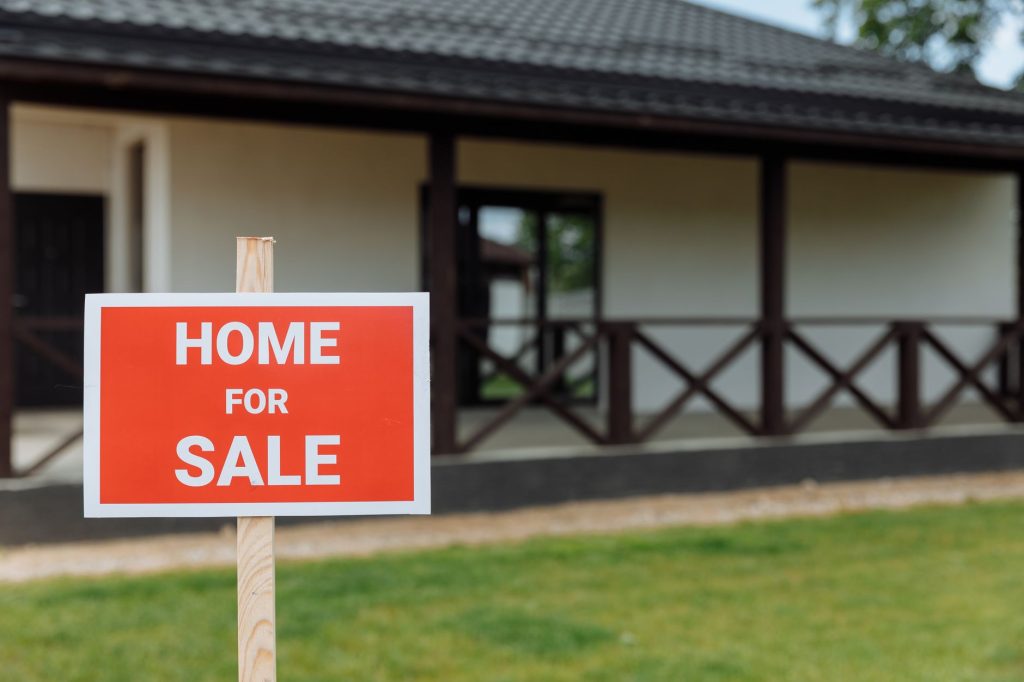
Time on the market for homes in Denmark varies so much that a single average rarely says much about your specific situation. Nationwide, detached houses spend an average of 334 days on the market, but that figure covers very different realities. Owner-occupied flats in busy city areas typically sell in 30-70 days, while holiday homes in weak markets can sit for 300-600+ days, and rural properties for as long as 500-800+ days.
The differences are geographical too. The shortest average time on the market in Denmark is in Herlev, at 52 days, while Læsø is at 598 days. That is a difference of 546 days – a year and a half – for homes that may otherwise be quite similar. Looking at how long homes actually stay on the market, only 2,4 % of detached houses in the city of Copenhagen have been for sale for more than a year, while in West Jutland the share is 30,9 %.
Two terms are worth keeping track of if you want to assess your own situation. Time on the market (liggetid) is a running figure: it shows how many days a home has currently been for sale and is still on the market, and it goes up by one day every day. Time to sale (salgstid), on the other hand, is the historical figure for how many days a home was for sale before it actually sold.
If you have a home that has not sold yet, the first step is to find out whether its time on the market is actually unusual for your type of home and your area. Quite often, it is not. The following sections go through the most common reasons why a home does not sell. You will not find solutions here, just a clear picture of what typically plays a part.
Pricing is the most important reason: the overpriced home
Price is the single factor that weighs most heavily on how long your home stays on the market. A home priced 10 % above market value sells, on average, 60-100 days more slowly than a correctly priced home. Overpricing is the most common mistake leading to unsold homes.
An overpriced home does not just affect the time to sale, though. It also affects the price you end up getting. If the price is only reduced after 90 days, the home typically sells for less than if it had been priced correctly from the start. This is known as time-on-the-market stigma, and it is worth understanding, because it explains why a late price reduction rarely saves anything.
A concrete example shows this. A home that has been on the market for 200 days, where the price is finally cut to the right market price, still typically sells 8-12 % below market price. Buyers have watched the home sit there for months, and that colours what they are willing to offer.
This is reflected directly in the discount from asking price to sale price, which grows with the time on the market. If the home is on the market for 0-30 days, the discount is typically 0-2 %. At 30-90 days it is 2-4 %, at 90-180 days 4-6 %, at 180-365 days 6-10 %, and if the home has been on the market for more than a year, the discount typically ends up at 10-20 %.
The discount is precisely the difference between the asking price and the actual sale price, and it is the most concrete way of seeing what too high a price means. An overpriced home sells both more slowly and for less than it would have done if the asking price had matched the market from the start.
How the season affects time on the market and time to sale
After price, the season is the second most important factor in how long your home stays on the market. And it costs you neither a single krone nor any renovation work. A detached house put up for sale in May typically sells 20-40 % faster than exactly the same house put up for sale in November, even when the asking price is identical. That is worth bearing in mind when you plan when to put your home on the market.
The periods of the year differ clearly. March to June is the fastest period, when time on the market typically lands at 40-90 days and there are 3-4 times as many viewing bookings as in winter. At the other end are December and January, at 150-300+ days, because Christmas and New Year overshadow the house hunt for most people.
One detail in the figures is easy to miss. If you look at the average time to sale, January, February and March are the fastest months, while late November through to Christmas is the slowest period. Spring therefore has two advantages at once: plenty of viewings and a crowd of buyers who have really got going after a quiet winter.
When you are wondering why your home has been on the market for so long, you should know the difference between the two figures reported by Boligsiden (a Danish property portal). There is current time on the market, which counts the days the home has been for sale with your current estate agent. And there is total time on the market, which counts all the days with all estate agents over the past three years, including periods when the home was temporarily withdrawn.
This difference means that switching estate agents does not give you a fresh start. The total time on the market follows the home, and buyers can see it, so a home with 400 days still comes across as exactly that – a 400-day home – no matter who is handling the sale now. It is purely a matter of how the figures are counted, but it explains why a new agent’s name on the listing rarely changes how buyers read the home.
The home’s condition and presentation affect the sale
Even at the right price, a home can be hard to sell, because its condition and presentation send a different signal than you might think.
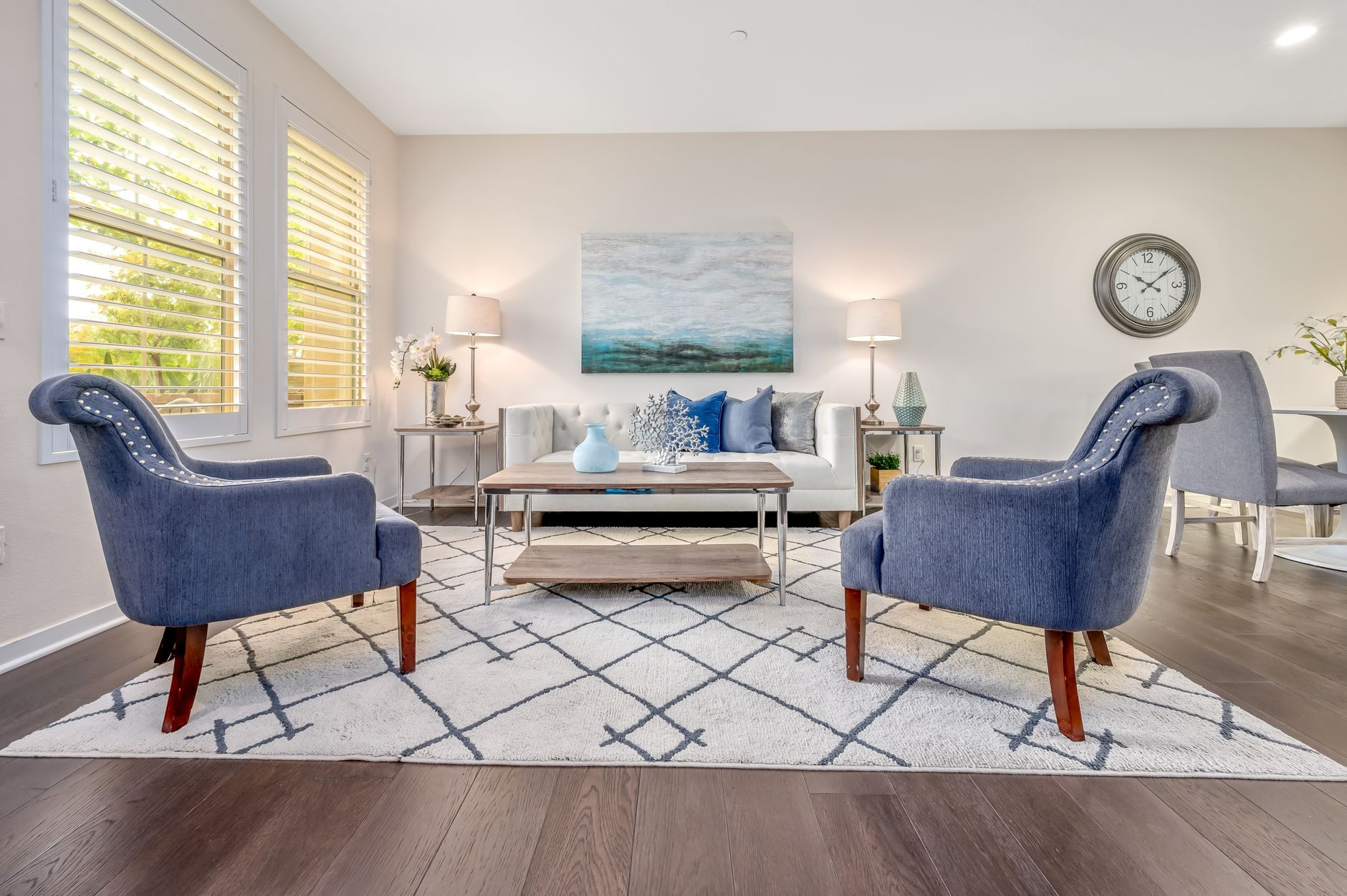
The first encounter with your home often happens on a screen. Homes with drone photos and video are booked for viewings 30-40 % faster than comparable homes without them, and this is one of the most direct ways presentation affects how quickly a home sells. Professional photography aims to show the home at its best; see Brikk’s current prices. Professional home staging focuses on highlighting what the rooms can offer, so that buyers can more easily imagine the home as their own.
There is also a technical side to the condition that is hard to style your way out of. Homes with an energy label (energimærke) of F or G statistically sell 20-40 days more slowly than homes labelled A-C at a comparable price. The energy label is one of the fixed figures buyers can compare across homes, and a low label adds to all the other impressions, however nicely the home has been done up.
When buyers view the home but do not make an offer, it typically points to the price, the condition or the perceived value. When they do not turn up at all, on the other hand, it is about positioning, marketing or exposure. These are two different problems, each with its own answer, and it is worth keeping them apart when you assess what is holding your sale back. Among the reasons for a slow home sale, it is often the first exposure that decides whether anyone comes along at all.
A poor first impression can undo everything, though, however well the listing has been put together. It lies in the little things you have stopped noticing yourself:
-
Smells in the home that you no longer notice yourself, but that a stranger picks up on straight away.
-
Pets that leave hair, smells and traces that buyers see before they see the rooms.
-
Clutter and personal belongings that make it hard to picture yourself living in the home.
-
Poor upkeep in the entrance hall, where a worn floor or a shabby hallway can make a buyer lose interest at the door.
What affects home sales in your local market?
Some of the factors that affect the sale are beyond your control: where in the country the home is, what supply looks like right now, and where interest rates are heading. They are worth knowing, because they explain much of why two otherwise comparable homes can have very different times to sale.
The housing market is local, after all, and the differences are bigger than most people expect. Greater Copenhagen and the university cities sell 5-10 times faster than the outlying municipalities. In outlying municipalities such as Lolland, Morsø and Læsø, owner-occupied flats typically spend 200-400 days on the market, while detached and terraced houses typically spend 350-600+ days.
Supply plays a part in the same way. At the beginning of February 2026, there were 29.739 detached and terraced houses for sale, the first time in three years that the figure had been below 30.000. The number of owner-occupied flats for sale stood at 5.093, a fall of 26,0 % in a year. When there are fewer homes to choose from, each home gets more attention, and when supply grows, your home has to compete with more homes for the same buyers.
Interest rates are the third factor that moves independently of your home. The expected rates as of 1 October 2026 are 2,9 % for F1 and 3,0 % for F5 loans. When the rate is adjusted, an interest-only F1 loan costs about 410 kr. more a month per million borrowed, after tax. That is money that affects the buyer’s budget, and which can therefore change how many people can take part in the bidding at all.
The home itself also plays a part. Large homes over 250 m² and very small homes under 50 m² both typically have longer times on the market than homes in the middle of the range, because they appeal to a narrower group of buyers at each end of the scale. Historically, owner-occupied flats sell faster than detached houses. That is not something you can change by tweaking the listing, but it helps explain why your home may have been on the market longer than you had imagined.
Why a home doesn’t sell: the overall picture
When a home does not sell, pricing weighs most heavily, but it rarely stands alone. Season, condition, location and current market conditions all play a part at the same time, and in practice a home that has been on the market for a long time almost always has several causes at once. An asking price that is too high is not helped by the home also meeting a weak local market in the middle of December with an energy label at the poor end of the scale.
Taken together, the most common reasons look like this:
-
The asking price does not match the market, and the discount grows the longer the home stays on the market.
-
The home is put up for sale in a slow season, when there are few viewings.
-
The condition or presentation sends a different signal than the buyer expected.
-
The location pulls in a direction you cannot change yourself.
-
Supply in your area is growing, so your home is competing with more homes for the same buyers.
-
Interest rates move and change how many people can take part in the bidding.
-
The size of the home appeals to a narrow group of buyers at one end of the scale or the other.
The figures behind this kind of assessment are not snapshots. The housing market statistics are compiled quarterly and published with a delay, so if the market turns, the turning point only shows up in the figures some time after it has happened. In other words, you cannot read today’s market from the latest figures alone.
There is also a coverage problem that many people overlook. Only sales handled by an estate agent count in the housing market statistics. Sales within families and sales without an estate agent are not included, so the figures do not cover the whole market. This means that the average time on the market and the prices you can look up are based on a subset of all the homes that actually change hands.
That is why it makes sense to look at figures that are updated continuously. At Brikk, you will find continuously updated figures for prices per square metre and time on the market, which can give you a picture of your local market and of whether your home’s time on the market is actually unusual for your type of home and your area. It is the most concrete place to start if you want to understand what is holding your sale back.
Leave a comment