
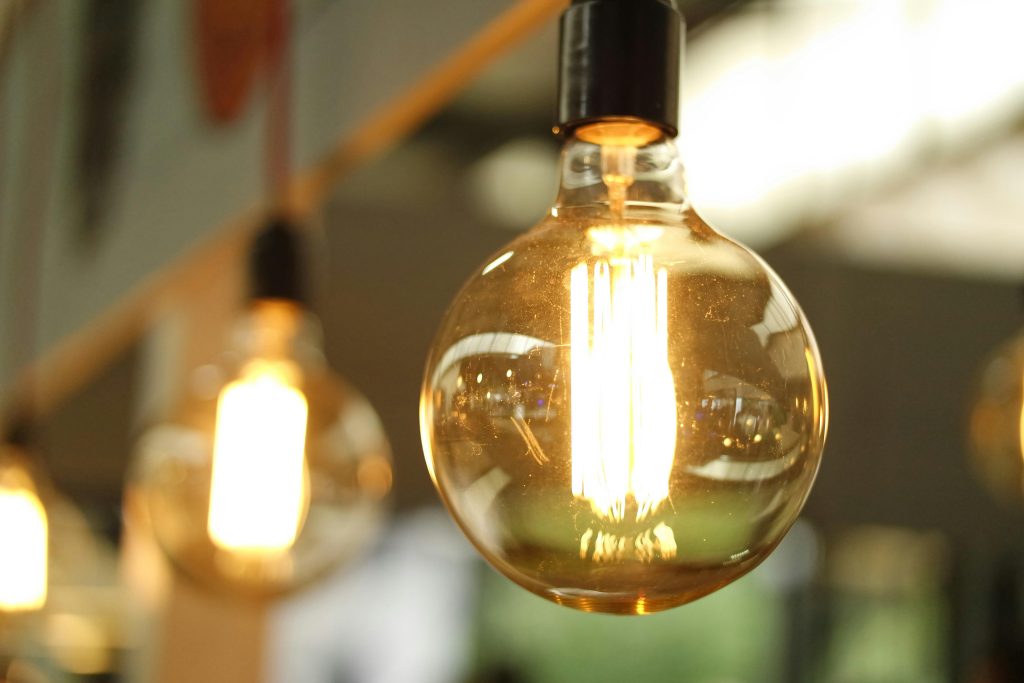
Energy labelling (energimærkning) is an assessment of a building’s energy consumption. It works as a kind of “energy passport” for your home, showing how energy-efficient it is. The energy label ranges from A to G, with A representing the most energy-efficient homes.
Knowing your home’s energy label matters for several reasons:
Firstly, it makes a difference to the environment. A home with a good energy label uses less energy and emits fewer greenhouse gases. That means not only lower electricity and heating bills, but also a smaller carbon footprint.
In addition, the energy label affects the home’s value on the market. A better label can make your home more attractive to buyers and ultimately raise the sale price.
Finally, it matters for your household’s overall energy efficiency. With a clear picture of your home’s current state, it becomes easier to identify the areas that need improving.
Here are some concrete benefits of achieving a good energy label:
- Lower energy costs: Less wasted energy leads to savings on your bills every month.
- Greater comfort: Better insulation and heating efficiency create a more pleasant indoor climate all year round.
- Higher property value: Potential buyers often choose houses with a higher energy rating.
- Protecting the environment: Lower energy consumption significantly reduces your carbon footprint.
Energy labelling when you sell your home: What does it mean?
When you sell your home, the energy label can play a decisive role in both the price and the interest from potential buyers. A good energy label signals to buyers that the home is energy-efficient, which often makes it more attractive on the market.
For many buyers, lower energy costs are an important selling point. A high energy rating typically means lower heating and electricity consumption, resulting in lower bills every month. This can persuade more buyers to choose your home over others with poorer energy labels.
By improving your home’s energy label, you can not only increase the property’s value but also attract a wider pool of environmentally conscious buyers. For example, upgrades such as better insulation or new windows can lift the label considerably and so make the home more competitive.
So think of the energy label as an important part of your sales strategy. Investing in improvements before you sell can pay for itself through a higher sale price and a quicker sale.
Energy labelling your home – how does it work?
So how does your home get its energy label? The process starts with contacting a certified energy consultant. These experts are trained to assess the energy efficiency of buildings.
Steps in the energy labelling process:
- Contact an energy consultant: The consultant comes out to your property to carry out a thorough inspection.
- Inspection of the home: The consultant assesses the home’s insulation, windows, doors and heat sources, as well as any renewable energy systems such as solar panels.
- Analysis of energy consumption: The data collected during the inspection is used to calculate the house’s total energy consumption.
- Preparing the report: Based on the analysis, the consultant draws up a report with suggested improvements and assigns an energy label from A to G.
- Receiving the certificate: The owner receives a certificate documenting the home’s current energy efficiency, along with recommendations for possible upgrades.
This label not only shows your home’s current energy efficiency but also gives you insight into the potential savings from upgrades.
| Energy class | Purpose |
|---|---|
| A | Very low energy and heating consumption |
| B | Low energy and heating consumption |
| C | Moderate consumption |
| D | Above average |
| E-G | High consumption |
The energy label can be seen as a guide to where you can best optimise your home’s efficiency.
Insulation, windows and heat sources: Effect on the energy label
In a home, energy is mainly lost through the walls, roof and floor and around windows and doors. When heat escapes from the house or cold gets in, more energy is needed to maintain a comfortable indoor climate. This has a negative effect on the energy label.
Good insulation is essential for improving your home’s energy efficiency. Inadequate insulation leads to unnecessary heat loss, which can result in higher energy costs and a lower energy label. Conversely, effective loft or cavity wall insulation can reduce heat loss considerably. For example, going from no insulation to good insulation in the loft can significantly reduce the house’s total energy consumption.
Windows also play a big part in a home’s overall energy efficiency. Older single-glazed windows let a lot of heat escape compared with modern double or triple glazing, which holds on to heat better. By switching to newer windows, you can both improve comfort at home and achieve a better energy label.
The type and efficiency of your heat sources also affect your energy label. Traditional oil boilers or electric heating are often less efficient than modern alternatives such as heat pumps or district heating. Investing in an air-to-water heat pump, for example, can lead to marked savings on your annual heating consumption and lift your home’s energy rating.
By systematically improving the insulation, choosing quality windows and installing efficient heat sources, you can not only increase your home’s value but also achieve a significantly better energy label.
A better energy label: How to reduce your costs
To achieve a better energy label and save money on energy costs, it is crucial that your home is as energy-efficient as possible. Efficiency means less energy wasted on heating or cooling, which can ultimately lead to lower bills every month.
Here are some practical steps you can consider:
- Upgrading insulation: One of the most effective places to start is proper insulation. The loft and external walls should be well insulated to minimise heat loss.
- Replacing the glazing: Old single-glazed windows should be replaced with modern double or triple glazing to retain heat better.
- Optimising heating systems: Consider switching from an older oil boiler or electric heating to a more efficient heat pump or district heating.
- Installing solar panels: Renewable energy sources such as solar cells can reduce your reliance on conventional electricity and lower your costs further.
- Use LED lighting: Replace traditional incandescent bulbs with energy-efficient LED bulbs for significant savings on electricity.
These changes may require an initial investment, but they can result in considerable savings over time. When your home uses less energy thanks to improved insulation and optimised systems, your annual energy costs fall accordingly. This not only benefits you financially but also contributes to a more sustainable future.
Which improvements give the biggest jump in energy rating?
If you want to make significant improvements to your energy label, certain upgrades stand out as the most effective. Here are some of the most cost-effective measures:
- Upgrading insulation: Improving the insulation is often the very first step and the one that pays off best. By focusing on the loft and external walls, you can reduce heat loss considerably. That means less heat escaping in winter and a better indoor climate all year round.
- Replacing windows: Old single-glazed windows let a lot of heat escape. Switching to modern double or triple glazing gives you markedly better heat retention, which both reduces energy costs and increases comfort at home.
These two measures have a big effect because they directly address the home’s ability to retain heat or stay cool, depending on the season.
Imagine a house from the ’70s with poor loft insulation and old windows. With new insulation, the home’s energy consumption can fall considerably – perhaps by as much as 30%. Combine this with new windows, and the saving can rise by a further 10-15%, depending on the size and location of the house.
By investing in these improvements, you not only make immediate savings on your electricity bill but also add to your home’s value in the long term when you come to sell.
How much does it cost to improve your energy label?
The cost of improving your energy label can vary considerably depending on the scope and complexity of the project. It is important to factor in both materials and labour when planning renovations. Some jobs only require minor adjustments, while others can involve larger investments.
When it comes to replacing windows, the price often depends on the number of windows and their size. If you switch to modern double or triple glazing, you can expect prices from around 2.000 to 6.000 kr. per window including fitting. Naturally, the more windows that need replacing, the higher the total price.
Insulation is another popular way of improving a home’s energy efficiency. Here too, prices vary depending on which area is being insulated – loft insulation can cost between 100 and 300 kr. per m², while cavity wall insulation is typically in the same price range per m². If, for example, you want to insulate a loft of 100 m², it could cost you from around 10.000 to 30.000 kr.
If you choose to replace your heating system, the investment is often somewhat higher, but with the potential for large future savings on your heating bill. An air-to-water heat pump can cost between 60.000 and 120.000 kr. including installation, depending on the brand and capacity.
It is always a good idea to get several quotes before making a decision, as this lets you compare prices and service from different suppliers.
Government grants and tax deductions for energy renovation
The government encourages energy renovation to promote a more sustainable society and reduce CO2 emissions. By investing in energy-efficient solutions, you can not only lower your energy costs but also contribute to a greener future. To support this effort, the government offers both financial grants and tax deductions.
There are several options for government support when you want to make energy-saving improvements to your home. Among the most popular is the Bygningspuljen grant scheme, which covers part of the cost of extra insulation, replacing windows or installing heat pumps. The scheme is administered by Energistyrelsen (the Danish Energy Agency), and you apply online through its website.
Another option is the håndværkerfradrag, a tax deduction for the labour costs of certain types of energy improvements, such as insulation work or solar panel installations. This deduction can ease the financial burden of larger renovation projects.
For example, combining a grant from Bygningspuljen with the håndværkerfradrag can reduce the upfront costs considerably, making it easier to get started on your energy renovation. If, say, you are planning loft insulation costing 20.000 kr., government support could potentially cover a good part of that amount.
By making active use of these support schemes, you can not only reduce your project budget here and now but also enjoy lower energy costs for many years to come.
Leave a comment