
A well-executed modernisation typically raises the value of your home by 50-100 % of what you have invested. The link between modernising a home and its price is rarely as simple as many people imagine.
A common misconception is that any renovation automatically increases a home’s value by exactly what it cost, krone for krone. In practice, it rarely works like that. Some projects pay off well, others do not, and the answer depends very much on what you choose to do to the home.
The same applies when you ask what modernisation means for the price of your home in your situation. The estimates are based on average Danish sales data and are for guidance only. The actual return depends on your local area and on the home’s starting point, so the same improvements can produce very different results from one home to the next.
A rule of thumb to take with you: minor cosmetic upgrades such as painting and tidying up often give a good return, while large, expensive renovations rarely pay for themselves in full if the home is to be sold shortly afterwards. The next sections take a closer look at which projects typically give the most back.
Return on kitchen and bathroom renovations
When you weigh up the value of a modernisation, two rooms end up deciding the outcome more often than any others: the kitchen and the bathroom.
| Kitchen renovation | Bathroom renovation | |
|---|---|---|
| Typical return | 60-80 % of the investment. Some estimates put it at 70-100 %, depending on the standard and the area | 60-75 % of the investment |
The kitchen has the widest range. That is because the return depends heavily on the standard you choose and where in the country the home is located.
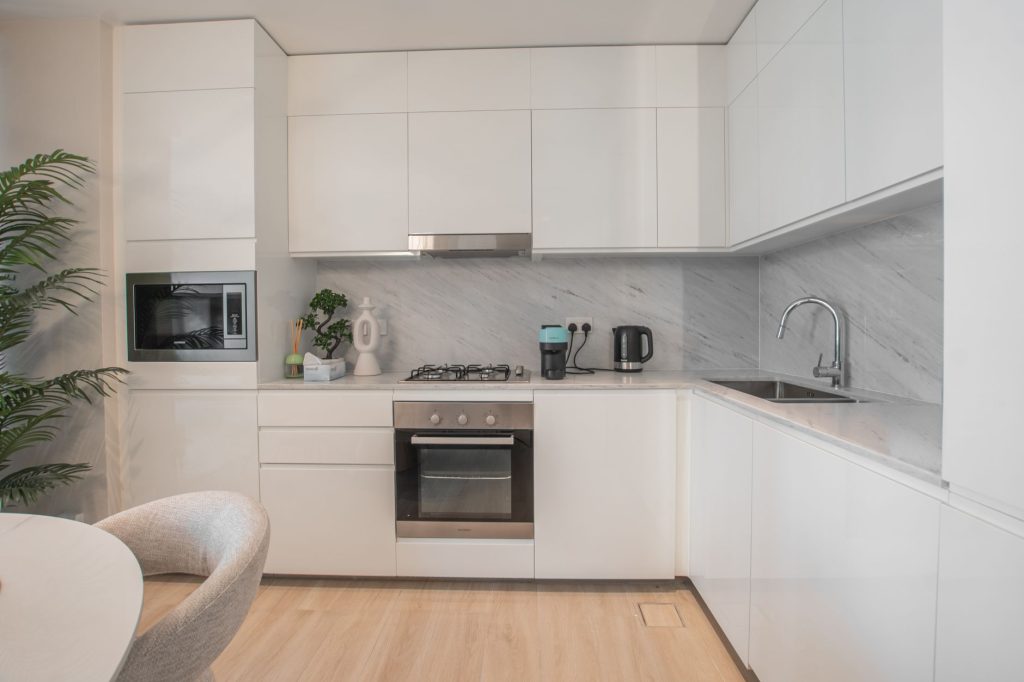
The kitchen is often the room that carries the most weight in a buyer’s overall impression. It is here that many people form their first real picture of what it would be like to live in the home, which is why the kitchen becomes one of the most important rooms for potential buyers. A new kitchen can lift the whole experience of the home, while a worn one can drag the impression down, however well the rest has been done.
The bathroom plays a different but equally decisive role. An outdated bathroom is one of the most common reasons buyers demand a substantial price reduction or pull out of a purchase altogether. Here, old-fashioned fittings quickly become a question of both comfort and future costs for the buyer.
Taken together, kitchen and bathroom renovations generally give the best ratio between investment and increase in value. That is why, in practice, many people choose to tackle them as one combined project rather than spreading the money across the whole home.
If your budget is limited, the advice is to start with the kitchen, bathroom and facade. These projects offer the best balance between cost and return, so you get the most value from the money you spend first. The rest can come later, when your finances allow.
Energy renovation and the energy label’s effect on a home’s value
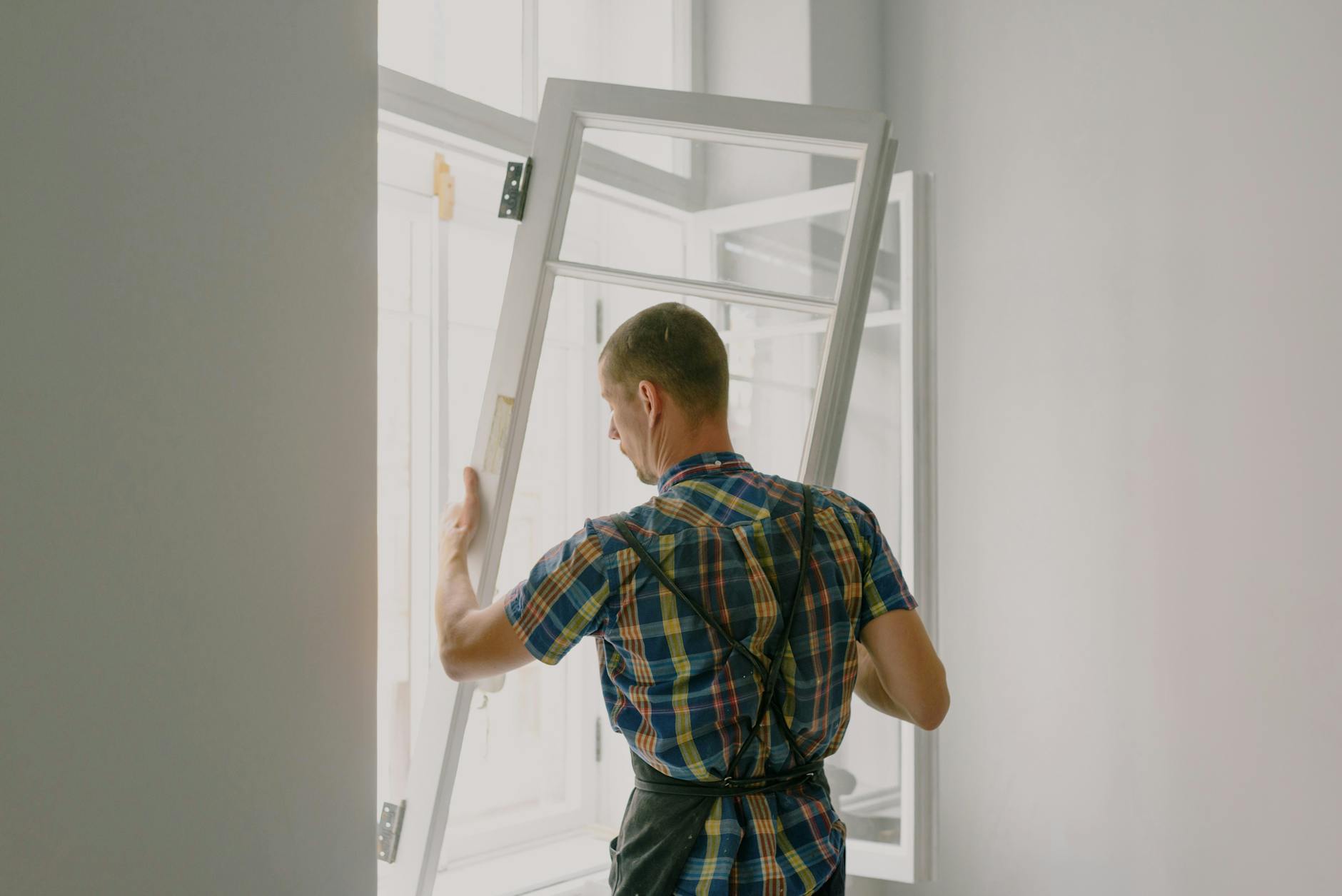
The effect of energy renovation on a home’s value is often overlooked compared with the kitchen and bathroom. Energy improvements such as extra insulation, new windows or a heat pump can increase a home’s value by 2-8 %, especially if the improvement also raises the home’s energy label.
On average, the sale price rises by about 500 kr. per m² for every letter the energy label improves. For a 100 m² house, that equals around 50.000 kr. per step on the scale, so moving from D to C, for example, can mean around 50.000 kr. more on the sale price.
The scale runs from A to G, with A being the most energy-efficient level. The difference between a good energy label (A-C) and a poor one (E-G) can amount to 5-15 % of the sale price, depending on the type of home and its location.
The saving on running costs is the other side of the same coin. A 150 m² detached house with energy label D typically costs 15.000-20.000 kr. a year to heat, while the same house with label B costs 8.000-12.000 kr. A buyer notices that difference in their budget straight away, and it also makes the home easier to sell, because the monthly finances look more manageable.
Tradesperson tax deduction 2026: what you can deduct for energy renovation
The 2026 håndværkerfradrag (tradesperson tax deduction) is the scheme that can make an energy renovation significantly cheaper for you. In 2026, each person over 18 in the household can deduct up to 9.000 kr. in labour costs. If there are two adults, you can deduct up to 18.000 kr. between you, which in practice equals around 4.680 kr. less in tax.
There are two things you need to get right from the start. The deduction only covers labour, not materials, so it is the tradesperson’s hours, not the goods bought, that you get credit for. Payment must be made digitally, by Dankort, MobilePay or online banking. Cash does not count.
The deduction covers a range of specific jobs, all of which improve the home’s energy performance:
-
Insulating the roof, external walls and floor, including cavity wall insulation and insulation against ground-floor slabs and crawl spaces.
-
Replacing windows and doors, such as panes, glazed patio doors and secondary glazing.
-
Heat pumps, whether air-to-air, air-to-water or ground source, including the ground loop and borehole.
-
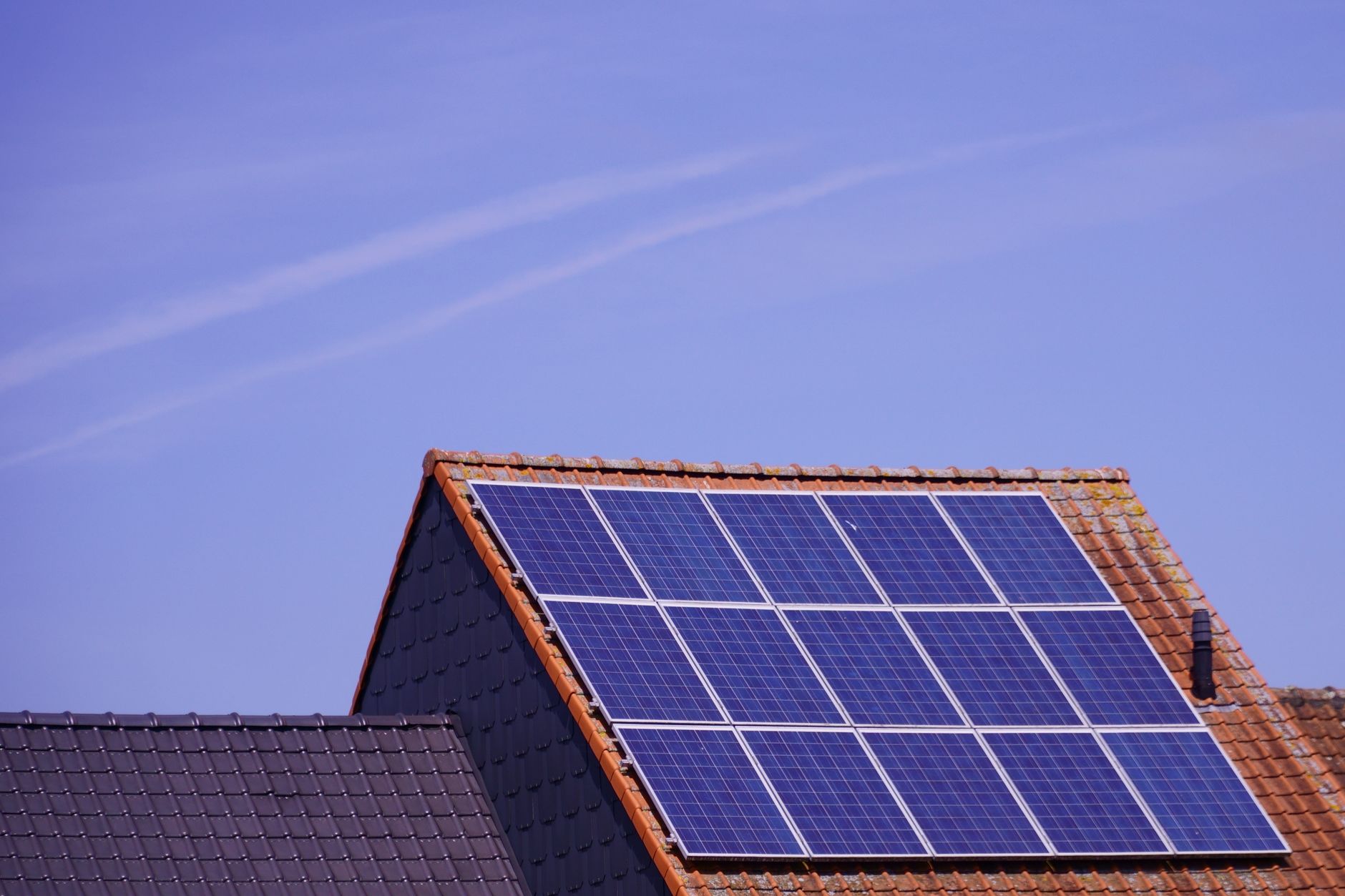
Solar panels, including when they are installed with a battery.
-
Balanced ventilation with heat recovery.
The scheme applies in both 2026 and 2027, so you have two years to plan around if you want to split a larger project into stages. A total of 300 million kr. a year has been set aside, targeted at climate-proofing and energy renovation.
How to present modernisations neutrally with a valuation before you renovate
A case study from Kolding shows how much a valuation before renovation can affect how the money is spent. The family started with a free initial valuation, which pointed to a focused project rather than a complete overhaul: painting the facade for 62.000 kr. and a mid-range kitchen renovation for 110.000 kr., 172.000 kr. in total. When the work was finished, a new valuation showed an estimated increase in value of 210.000-230.000 kr. based on comparable sales in the area.
A more expensive bathroom renovation and an extension were deliberately dropped, because the initial valuation showed that the two projects would not give an equally good ratio between cost and expected sale value in their local area. In other words, the valuation acted as a filter that cut out the most expensive items before they got under way.
You can apply that experience directly to your own home. When renovation increases a home’s value, it does not happen in a vacuum, and the way you present the work matters for how a buyer reads it. Here is the advice that typically makes the difference:
-
Document the work with photos and receipts, so it is ready for a future valuation and sale, and easier to present neutrally to buyers.
-
Avoid over-investing for the area. A luxury kitchen in an ordinary residential neighbourhood rarely gives the same return as it would in an area of a similar standard.
-
Be aware that alterations that reflect very personal taste can seem less attractive to the next buyer.
The point of keeping the presentation neutral is that you let the work speak for itself instead of selling it as a matter of personal taste. Photos and receipts show what has been done and when, which makes it easier for a buyer to judge the value without having to guess. The same logic applies when you choose projects: the closer you stay to what the area and the type of home can support, the easier it is to explain why the work is an advantage.
That is also why the initial valuation is so useful to get first. It gives you a realistic picture of what makes sense for your home and your local area, so you avoid putting money into improvements that neither raise the value nor have broad appeal.
Get your home valued by Brikk before you renovate
Everything you have read so far points in the same direction: the right projects raise the value, the wrong ones do not, and the difference depends on your home and your local area. Get your home valued before you renovate, so you know what makes sense in your particular situation before you commit to a project.
A valuation from Brikk shows which modernisations are relevant to your particular home and local area. That means you can set priorities based on facts rather than gut feeling. You no longer have to guess whether it is really the kitchen or the facade that makes a difference where you live.
Brikk can also help you assess whether a kitchen renovation, an energy improvement or a facade upgrade gives the best ratio between investment and expected sale price. That is exactly the trade-off that is hard to make on your own, because it requires knowing what buyers in your area actually want and pay for.
It helps you avoid over-investing, and it makes sure the project you choose also makes sense for the next buyer. A completed project that suits the home and the area is easier to present neutrally and easier to justify when the price is set.
Contact Brikk for a no-obligation valuation and get a concrete basis for prioritising between projects such as the kitchen, bathroom, facade and energy improvements. Then you will know where the money will do the most good before you set the first tradesperson to work.
Leave a comment