
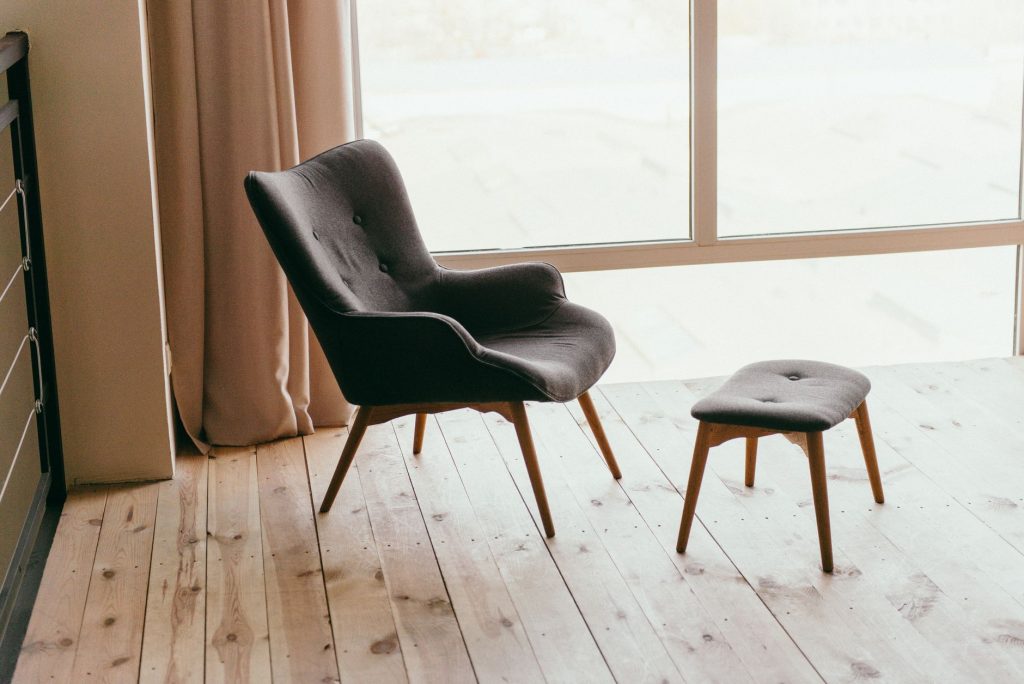
Light and views in a home are not just something that looks nice in a photo. They are measurable qualities that both the Danish Building Regulations (bygningsreglementet) and health research address in concrete terms.
Daylight is the collective term for direct sunlight, diffuse light from the sky and reflected daylight. Light from the sky is the type you get most of in a home. If you want to be sure of daylight in the living spaces, you need to be able to see the sky from the rooms. It is a simple test you can do yourself next time you are standing in a living room or a kitchen.
Nor is the amount of light abstract. Even on an overcast day, daylight provides around 10.000 lux. Because daylight has greater intensity and variation than artificial light, it can never be fully replaced by electric lighting. You can switch on as many lamps as you like, but you will not get the same variation in strength and colour through the day.
Research points the same way. Hospital patients with access to natural daylight are discharged sooner, are less prone to post-operative depression and need less pain relief. This shows that light affects body and mood, not just the atmosphere in a room.
A view has the same effect. Most people choose to sit by a window with a view if they can. The pull towards light is unconscious. It applies when you walk around a home yourself, too, and sense where you would most like to settle.
For you as a buyer or seller, this means light and views are something to take seriously. They are not a detail that only becomes relevant at the end, but a quality that can be documented and felt. The rest of the article covers the specific requirements and figures behind that assessment.
Why daylight affects your wellbeing
Daylight directly controls the hormones in your body that regulate your sleep and circadian rhythm. If you get too little daylight during the day, the quality of your sleep at night can suffer. So you feel the importance of daylight at home in your body, not just with your eyes.
Light also affects your mood. Daylight is used directly as a treatment for winter depression, and it has a positive effect on how you perceive time, space, shapes and colours. It is the same mechanism that links daylight and wellbeing at home so closely.
Look beyond the individual home and the figures point the same way. Pupils in school buildings with plenty of natural daylight get better marks and are calmer and more focused. In offices, the absence of windows is linked to higher stress levels and more sick leave. Apply that to your own everyday life, and the same logic holds for the rooms you spend time in at home.
Daylight also has a financial side. If you make good use of the light, you can cut your use of artificial lighting by 30 – 50 %, and daylight also helps to heat your home. Both show up on your heating and electricity bills, so a home with good light pays you back over time.

What the building regulations require for light and outlook
When you assess the light in a home, there is more to go on than your own impression. The Danish Building Regulations, BR18, have an entire chapter devoted to the subject. Chapter 18, “Lys og udsyn” (Light and outlook), covers § 377 – § 384 and divides the requirements into three: outlook, daylight and electric lighting.
The basic principle is set out in § 377. Lighting conditions must ensure that there is no risk to people’s safety and health and no discomfort. Sufficient daylight, outlook and electric lighting must all be in place, and the rules apply to all new buildings and to major conversions.
The section you are most likely to come across as a buyer or seller is § 379. It applies to habitable rooms and kitchens. The requirement can be documented in two ways. Either the unshaded glazed area corresponds to at least 10 % of the relevant floor area. Or the indoor illuminance from daylight is at least 300 lux across at least half of the relevant floor area for at least half of the daylight hours. For habitable rooms, the relevant floor area equals the internal floor area.
Not all rooms are covered. Bathrooms, basements, storerooms and plant rooms are exempt from the daylight requirements. It is mainly the rooms you actually spend time in that have to meet them.
Since 2020 you can also use the DS/EN 17037 standard as a documentation method. It works with three levels that are more nuanced than the classic daylight factor:
| Level | Illuminance | Comment |
|---|---|---|
| Lowest level | 300 lux | Minimum |
| Medium level | 500 lux | Recommended |
| High level | 750 lux |
All three levels apply to at least 50 % of the room and 50 % of the daylight hours.
You can quickly get a picture of a home’s light conditions by looking at the typical daylight factors:
-
A large window combined with light-coloured surfaces typically gives a daylight factor of 5 – 8 %.
-
A standard window with a room depth of 2 – 4 m typically gives 2 – 4 % and so meets BR18.
-
A small window or a room more than 6 m deep gives only 1 – 2 %.
-
Skylights typically give 3 – 10 %.
Keep the room depth below 2 times the ceiling height if you want a daylight factor of at least 2 %. Use that rule of thumb when you judge whether a room really gets enough light in everyday life.
How orientation and the way light falls affect a home’s value
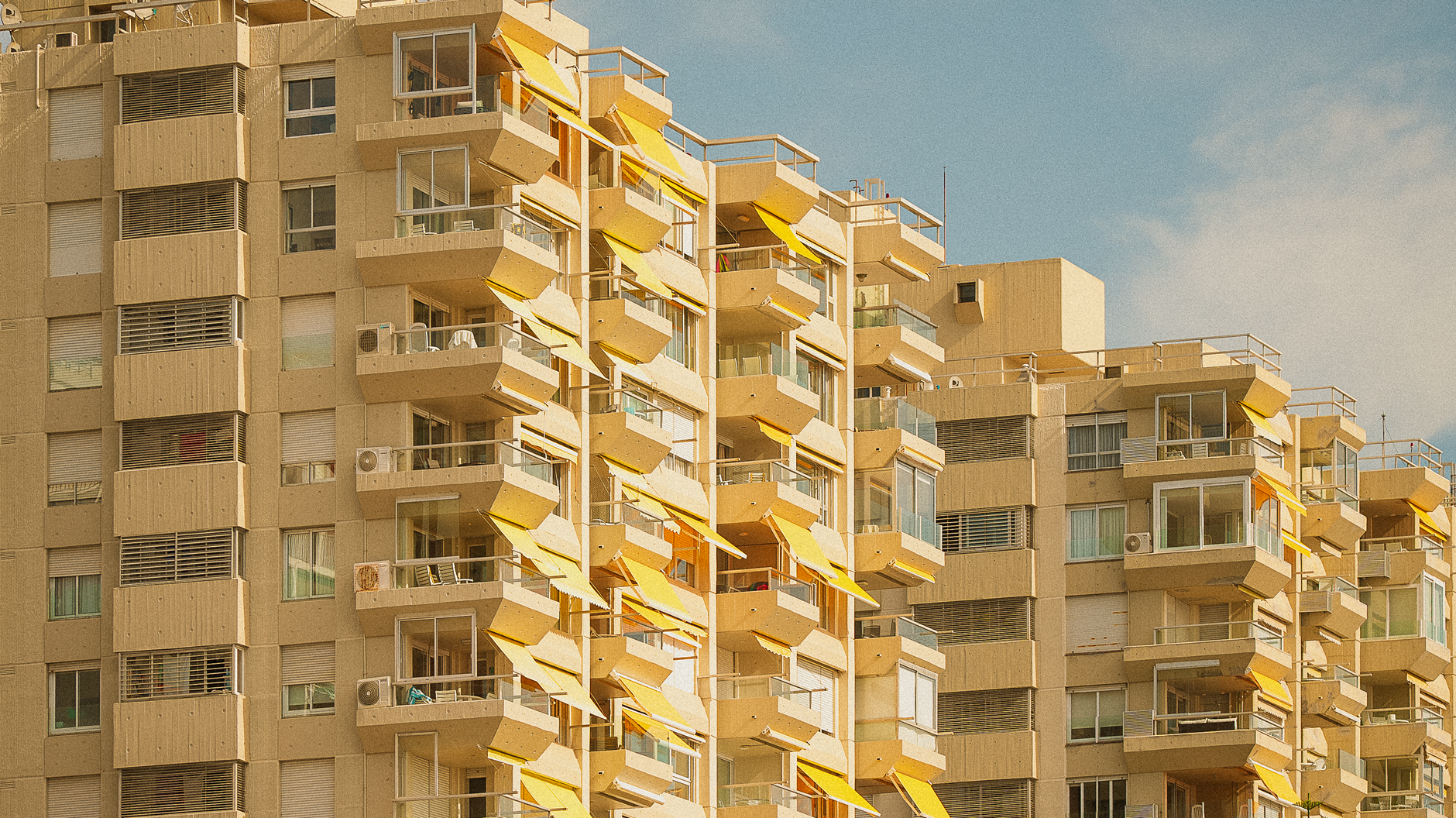
How much light a home gets, and at what time of day it comes in, depends largely on which way it faces. South-facing living spaces feel markedly brighter and warmer than north-facing ones, and south-facing windows provide free passive heat in winter. That kind of difference can be felt in both comfort and the heating bill, and it is reflected in what a home is worth.
Large panoramic windows let in a huge amount of light, but they have a downside. Facing south, they can mean intense heat; facing north, they can let in the cold. South-facing glass facades may therefore need effective solar shading in summer, such as overhangs or blinds, to avoid high cooling costs. Check whether the shading is in place when you look at a home with large expanses of glass.
There are also practical steps that can improve the light. If you replace windows with French balconies, you get around 30 % more daylight in the living room and an energy saving of around 25 %. Solar control glass can also help prevent overheating without noticeably darkening the room.
The type of flat you choose also plays a part. A corner flat gets extra windows and therefore more daylight, while a flat in the middle of the block can have lower heating bills and fewer draughts. A top-floor flat with a view, a balcony and plenty of light can often be let at a higher rent. The table below sums up the differences, so you can quickly see what each of the three types offers you.
| Feature | Corner flat | Middle flat | Top-floor flat |
|---|---|---|---|
| Windows and daylight | Extra windows and therefore more daylight | ||
| Ventilation | Better ventilation thanks to the extra windows | ||
| Heating and draughts | Can have lower heating bills and fewer draughts | ||
| Letting | With a view, a balcony and plenty of light, it can often be let at a higher rent |
Orientation, window type and type of flat are among the factors that show up both in everyday comfort and in the price a home can achieve.
How a view affects a home’s value
An unobstructed view is a rare luxury in Copenhagen, and it can raise rent levels considerably. This is especially true when the view takes in green spaces, water or the city’s rooftops, because such views are hard to find and therefore sought after. A good view is a value factor on a par with a balcony, the quality of the kitchen and the layout, and it should be part of assessing a home’s rent level in the same way as the more tangible qualities.
The way the home is laid out also plays a part. A flat with the living room facing the street and the bedroom facing the courtyard is often seen as more attractive than the other way round, because it combines the advantages of city life with peace and privacy. You get the life and light on the street side, where you spend your days, and a quiet, secluded room to sleep in.
Not all views are equally valuable. These are the features that make a good view from a flat:
-
A view with movement and life feels more interesting and appealing than a completely static one.
-
A mix of shorter and longer sightlines within the view helps keep it interesting.
-
A view of nature promotes wellbeing, while a view of an urban setting with heavy traffic can be less than ideal.
The shape of the windows and their position in relation to the surroundings are crucial to how the view actually works in everyday life. So consider whether children, and people standing, sitting or lying in bed, can all see out. A view that only works when you are standing up does not offer much in practice. When the view is to be described in a listing, a phrase such as “Clear views of sky and rooftops from the living room, plenty of light and air” makes the view concrete for buyers. Details like these make a view easier to relate to as a value factor, because they describe what you actually see rather than simply calling the view good.
How light and views affect the price of a home
The direct effect on running costs is a good place to start if you want to understand how light and views affect the price of a home. Daylight means lower heating and electricity bills, because you can turn down the artificial lighting while also getting warmth from the sun. In new buildings, passive heat from daylight and sunlight can even be included in the calculation of the building’s energy consumption.
A home with south-facing windows and good light gives you advantages all year round, while a dark home needs more artificial lighting and heating to feel comfortable. Over time, the difference is real, and it should be part of your calculations.
Light and views also affect the price directly, because they help determine what a home can be let for. View, access, quiet and light can raise or lower the rent, and the four do not always pull in the same direction. A ground-floor flat facing the street is the clearest example. Here, the risk of people looking in, more noise or less privacy can mean the rent has to be reduced slightly, even if the home is otherwise in good order. Light is not the only factor. Together, the interplay between view, quiet and access shapes what a home is worth to the person who will live in it.
A home that gets plenty of light can feel bigger, warmer and more inviting, and the same square metres can suddenly be used in more ways. Good light makes the home more flexible to furnish, so more rooms can work for living, working and relaxing.
That is why it matters how the light is documented. Documented good light can attract quality-conscious tenants and reduce the risk of the home standing empty, because it gives a concrete basis for assessing the home instead of a vague impression. When the light is described precisely, it also helps the reader picture what the home feels like day to day.
That approach lies behind Brikk’s work with homes, where knowledge of light and views is used as a professional measure of quality when homes are valued and marketed. The aim is simple: to give buyers and sellers a concrete basis for their decisions, rather than letting light and views become a last-minute afterthought.
Leave a comment