
The price of a terraced house is determined by ten specific factors, but four of them carry the most weight: location, size, type of home and condition, in that order.
Here are the ten factors, ranked by how much they move the price:
-
Location and neighbourhood: decisive, cannot be changed
-
Floor area and plot size: very high, only by building an extension
-
Type of home: high, no
-
Roof, windows and installations: high, yes, but expensive
-
Practicality of the layout: medium to high, partly
-
The market and interest rates: medium to high, no, but you can choose your timing
-
Energy label: medium, yes
-
Kitchen and bathroom: medium, yes, rarely pays off
-
Maintenance and tidiness: low to medium, yes, the cheapest improvement
-
Furnishing and colour scheme: low, yes
Three of the four heaviest factors are beyond your control. The location, size and type of home are fixed once the house has been built. The fourth, condition, is the one you can document and improve, and that is often where there is money to be made.
Terraced houses also have some particular features that carry extra weight. The position within the development, whether there is a garden or a parking space, and the state of the association’s finances matter more to the price than they do for other types of home. On the other hand, floor area on its own matters less than many people think.
The figures clearly show how wide the range is. A 155 m² house in Lolland Kommune can cost 843.000 kr., while a 140 m² detached or terraced house in Copenhagen is around 9,2 million kr., a price per square metre of 65.642 kr. in the 2nd quarter of 2026. The answer depends very much on where in the country you look and what the market looks like right now.
Location and neighbourhood outweigh everything else
Location is the single factor that matters most for the price of a terraced house, and you cannot change it afterwards. The neighbourhood accounts for far bigger swings in the price per square metre than the house itself does.
| Area | Price per m² | 155 m² house |
|---|---|---|
| Copenhagen | approx. 54.781 kr. per m² | – |
| National average | 18.626 kr. per m² | – |
| Gentofte Kommune | 70.117 kr. per m² (2nd quarter of 2026) | 11 million kr. |
| Lolland Kommune | 5.436 kr. per m² | 843.000 kr. |
Gentofte has the highest house prices in the country and passed 70.000 kr. per m² for the first time in the 2nd quarter of 2026. Lolland is the cheapest. Two identical homes in Gentofte and Thisted can therefore differ in price by a factor of 3-4, with no difference in the bricks and mortar.
So what does a good location actually mean when it comes to a terraced house?
-
Walking distance to school, childcare and shops
-
Little noise from roads and railways
-
South- or west-facing light
-
Documented sales of neighbouring homes
Even within the same municipality, prices per square metre can vary by up to 30% between neighbourhoods. A municipal average is therefore a guide, not a valuation of the particular house you are looking at.
With terraced houses there is an extra dimension on top: the position within the development itself. An end-of-terrace unit with its own garden and a parking space close to the home can push the price up, while a unit facing a busy road or with no private outdoor space may be priced lower. It is worth keeping an eye on, because it is often small differences in position that decide what the neighbour got for a house like yours.
Floor area, plot area and what counts in BBR
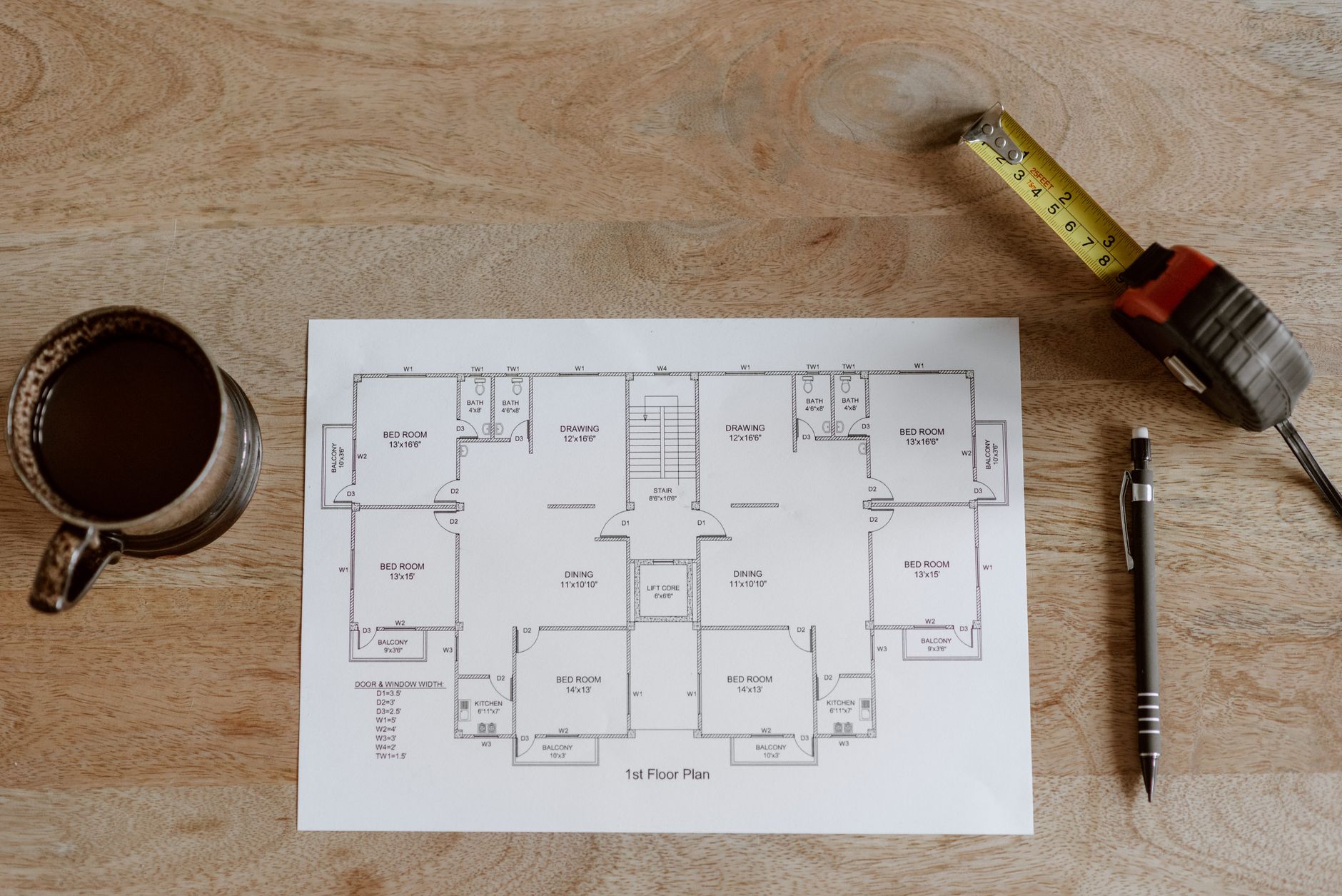
The price per square metre of a terraced house falls the bigger the home is. A 90 m² house typically has a higher price per square metre than a 200 m² house in the same neighbourhood. So the smaller home carries a more expensive square metre, even though its total price is lower.
The plot is counted completely separately and does not follow the floor area. Two identical houses can stand on plots of 600 and 1.400 m² and differ by hundreds of thousands of kroner without it showing in the price per square metre at all. That is why the price per m² says nothing about what the plot under the house is worth.
When you assess the value of a terraced house, it is the registered figures that count. Here is what counts in BBR (the Danish building register) and what does not:
-
The floor area registered in BBR counts, not space in a basement or shed
-
A converted attic with a ceiling height over 1,5 m counts, and it is often registered incorrectly
-
A garage, carport and covered terrace do not count, even though they can make the home easier to sell at a viewing
For terraced houses, plot size often matters less than it does for detached houses. Even so, a private garden or terrace can move the price noticeably, because outdoor space is in short supply in many developments. A larger terraced house also normally commands a higher price than a smaller unit in the same development.
If you are building new, a terraced house typically costs 18.000-30.000 kr. per m² turnkey. The market price of an existing terraced house, on the other hand, can be lower, because terraced houses need less plot area and less facade construction than detached houses.

What the energy label means for price and running costs
The link between the energy label and the selling price of a terraced house is closer than most people think. The scale runs from A to G, and A is divided into A2020, A2015 and A2010, where a more recent year means stricter requirements. Each letter you move up raises the selling price by around 500 kr. per m² on average. For a 100 m² house that is about 50.000 kr., and for a 170 m² home the gain is around 85.000 kr.
An analysis by Finans Danmark clearly shows how noticeable the jump is. A 140 m² house with energy label D sold for an average of 1.986.252 kr., while a comparable house with energy label B went for 2.179.029 kr. Same home, same size, but a difference of almost 200.000 kr. from the energy label alone.
There is a special rule for terraced houses that you need to know. For terraced, linked and semi-detached houses, each dwelling unit is treated as a separate building. This means it is your own responsibility to get the energy label when you sell or let the home long term, even if the homes belong to an owners’ association or a housing cooperative. Getting an energy label for an 80-150 m² terraced house typically costs 3.000-5.000 kr., so it is a manageable expense compared with how much the label can move the selling price.
An energy label is valid for 10 years unless the home is significantly altered. Here it is important to look at the age of the house and not just the letter. A D-rated house from the 1960s is actually in good shape in energy terms, while a D-rated house from 2000 or later is in very poor shape. That difference affects both the buyer’s ability to borrow and your negotiating position, so when the house was built really does matter.
Condition, maintenance and the documents that move the valuation
Condition is the one price driver you can really change, but the effect depends entirely on what you do. Some improvements cost next to nothing and shorten the time on the market, while others run into hundreds of thousands of kroner without paying for themselves in the selling price. Here is what typical renovations cost and what they mean for the price of a terraced house.
| Improvement | Typical cost | Effect |
|---|---|---|
| Tidying and cleaning | 0-3.000 kr. | Shortens the time on the market |
| Painting worn walls | 5.000-20.000 kr. | Small to medium, shorter time on the market |
| New kitchen | 60.000-200.000 kr. | Rarely recouped in full in the selling price, but can shorten the time on the market |
| New bathroom | 80.000-250.000 kr. | Rarely recouped in full |
| New roof | 150.000-400.000 kr. | Rarely adds as much value as the roof costs, but removes the price cut the buyer would otherwise demand |
Maintenance is therefore often about avoiding price deductions rather than adding value.
Make sure the six documents that move the valuation are in order before the house goes on the market:
-
The BBR notice, where you check the floor area and year of construction
-
Receipts for major work, with the year it was done
-
Building permits
-
The energy label
-
Utility details, i.e. the heating source and annual consumption
-
Association details for the terraced house, i.e. the accounts, shared costs and planned works
The condition report (tilstandsrapport) and the impression of a well-kept home at viewings matter a great deal for the sale price. A newly renovated terraced house in a quiet area can fetch a higher price than an older house of the same size in poorer condition, and terraced houses often have lower maintenance costs because they share walls with the neighbours. It is precisely the shared walls that mean an older terraced house typically needs less exterior maintenance than a detached house, but they do not relieve you of the need to keep your paperwork in order.
Market outlook, timing and what you can do now
In the terraced house market, prices are currently the highest ever recorded. Nationwide, house prices rose 9 % over the past year, and in July 2026 the average price of detached and terraced houses passed 20.000 kr. per m² for the first time. A standard 140 m² house now costs around 2,8 million kr., up from about 2,6 million kr. the year before.
Looking ahead, the forecasts still point upwards, but with less momentum along the way.
| Current year | Next year | Third year | |
|---|---|---|---|
| Nykredit | 5,7 % | 3,0 % | 2,2 % |
| Danske Bank | +6,3 % (2026) | +3,7 % (2027) | – |
So both forecasts point to continued growth, but at a slower pace. That does not mean prices will fall, only that they will rise less than they have over the past year.
When you are thinking about buying or selling, it is worth distinguishing between the direction of the market and your own situation. The direction of the market matters less if you buy and sell at the same time, because both homes rise or fall on the same wave. If, on the other hand, you sell without buying again, or move between two very different markets, timing makes a real difference to what you are left with.
Wherever in the country your terraced house is, it is the specific circumstances of your particular home that decide the price. The position within the development, whether there is a garden and a parking space, and the state of the association’s finances weigh more heavily for terraced houses than for other types of home. At Brikk, you can get help assessing what your terraced house is worth and which improvements pay off best, based on exactly the circumstances that apply to your home.
Leave a comment