
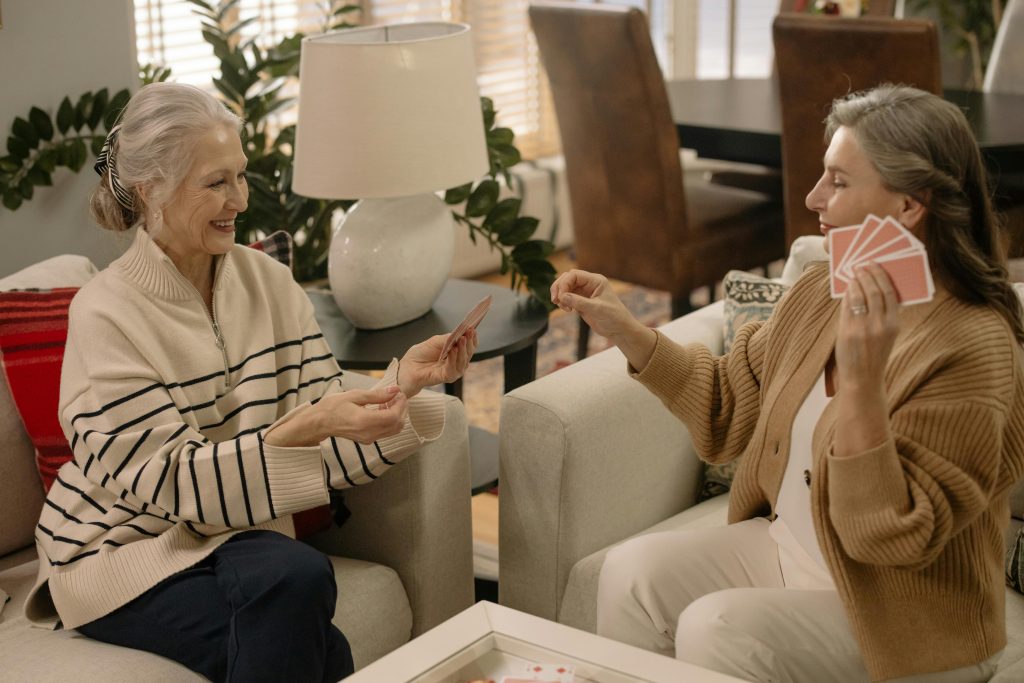
Have you ever considered living in a senior co-housing community (seniorbofællesskab) in the countryside? It can be a wonderful way to enjoy your golden years in a harmonious, peaceful atmosphere. Many older people choose this way of life because it combines community with the freedom to enjoy nature close at hand.
Living in the countryside offers more peace and space than living in urban areas. Imagine waking up every morning to birdsong rather than traffic noise. The fresh air and wide open spaces make for a relaxed everyday life, where you can pursue hobbies such as gardening or simply enjoy walks in beautiful surroundings.
A senior co-housing community also offers a strong social network, where you can meet like-minded people, take part in shared activities and make new friends. Life here is about support and companionship, which makes the days both meaningful and enriching.
Country life also offers the chance to be more self-sufficient, for example by growing your own vegetables or keeping a few animals. This kind of sustainable lifestyle appeals to many older people who want to live closer to nature.
With all this in mind, a senior co-housing community in the countryside could be the perfect setting for the next chapter of your life.
The benefits of shared housing for seniors
When you choose to live in shared housing as a senior, a wealth of opportunities for a richer life opens up. One of the biggest benefits is the strong community you become part of. Here you can meet other people at the same stage of life and share experiences, which creates a sense of togetherness and belonging.
Security is another important benefit of choosing this type of housing. In a senior community, there is always someone nearby if you ever need help or support. This sense of security can give you and your loved ones peace of mind.
Another significant benefit of shared housing for seniors is the chance to share resources. This can include everything from shared vehicles to tools or garden equipment. By sharing resources like these, you save money while also reducing your environmental impact.
Many senior co-housing communities also organise activities and social events that strengthen the bonds between residents even further. These events give you the chance to be both physically active and socially engaged on your own terms.
All in all, shared housing offers a unique combination of social interaction, security and financial savings – factors that make it attractive to many older people.
Life in a senior community
When you step into life in a senior community, a world of opportunities for social interaction and meaningful activities opens up. Your day might begin with a shared morning coffee, where conversation flows freely about everything from life’s small everyday pleasures to deeper subjects.
Later in the morning, you can choose to take part in various activities, often organised by the residents themselves or by the community. They can be anything from yoga sessions to creative workshops or gardening in the shared garden. Opportunities for both physical activity and mental stimulation are right on your doorstep.
Lunchtime brings another chance to spend time together. Perhaps you gather around the big table in the common room, where everyone brings something to the meal. This nourishes not just the body but also the soul, through the conversation and laughter shared over the food.
In the afternoon, there is plenty of opportunity to retreat and enjoy some time on your own – perhaps on your terrace with a good book, or on a quiet walk in the countryside around you. But if you want more company, your neighbours’ doors are always open for a cup of tea or a board game.
Evenings can be spent at cultural events such as film screenings or musical evenings organised by enterprising residents. These experiences strengthen the bonds between you and spark plenty of good conversations long after the last note has died away.
Active life in a senior community is about striking a balance between personal freedom and the warmth of the community – both have their place here, which makes every day unique.
Finances and senior housing
Moving into senior housing involves some financial considerations. First, think about the fixed costs, such as rent or buying a share in a housing cooperative. It can be a good idea to compare prices across different co-housing communities to find the one that best suits your finances.
There are also taxes to take into account. These can vary depending on the location and the type of property you choose. It is important to look into the local tax rules so you aren’t caught out later.
Maintenance costs are also part of the budget in a senior co-housing community. These often cover repairs, cleaning and general upkeep of the shared areas. In some places, this is paid for through monthly contributions from residents.
Some co-housing communities offer facilities such as a laundry room or a gym for an extra charge, which should also be factored into your budget.
Once you take all these factors into account, you will have a clear picture of the total cost of living in a senior community.
Meet your housing needs for an active later life
When you are thinking about moving to a senior co-housing community in the countryside, it is important to consider which housing requirements need to be met to support an active life. One key aspect is accessibility. You should make sure that the home and the shared areas are easy to get around, whether or not you use mobility aids. That could include ramps at the entrances, wide doorways and lifts in buildings with several storeys.
Location also plays a crucial role. Living in the countryside often means beautiful surroundings and a calmer setting than city life. So consider how close you are to nature trails or parks where you can go for walks or cycle. At the same time, it is good to have local shops and healthcare services within a reasonable distance.
The shared facilities in the community also make a significant contribution to an active lifestyle. Make sure there are options such as a gym or swimming pool, as well as areas set aside for social activities, like vegetable gardens or creative workshops. These facilities make it easier for you to take part in both physical activities and socialising with other residents.
A good match between your requirements and the facilities on offer in a senior community in the countryside can meet many of your needs as a senior who wants a rich social life combined with privacy.
Socialising and activities in a senior community
When you choose to live in a senior co-housing community, a world of social opportunities and activities opens up. You will find that life in a senior community often offers a wide range of events that promote both physical and mental well-being.
A typical feature is the many workshops held on a regular basis. Here you can immerse yourself in everything from arts and crafts to cookery courses or book clubs. These workshops are a chance not only to learn new skills but also to meet other residents who share your interests.
Daily social get-togethers are also popular with residents. These can be anything from cosy coffee mornings to afternoon walks in the local area. Informal gatherings like these make it easy to build strong relationships with your neighbours and create a sense of community.
The shared areas are often used for film nights or games nights, where everyone is invited to join in the fun and laughter. This strengthens the bonds between residents and ensures that no one feels isolated or alone.
If you are the more active type, many places offer fitness or yoga classes for seniors. These classes not only exercise the body but also help you relax mentally through physical activity.
The wide range of social activities means a great deal for the quality of life of those who live here. You get the chance of regular company while keeping your personal freedom – which makes life in a senior community both enriching and fulfilling.
Find your senior co-housing community in the countryside
Finding the right senior co-housing community can seem like a big task. But by following a few simple steps, you can easily clarify your needs and wishes.
1. Identify your location priorities
Start by considering where you would like to live. Do you want to be close to family or friends? Or do you dream of peace and nature all around you? Also consider access to public transport and local amenities.
2. Assess the facilities you need
Think about which facilities are important to you in your daily life. It could be anything from a gym to creative workshops or shared dining rooms. Make a list of “must-haves” and “nice-to-haves” to get a clear picture.
3. Research community activities
Look at the activities offered in the co-housing communities. Are there regular social events? What is the level of activity like? It is important that the activities suit your lifestyle and interests.
A simple checklist for your senior co-housing community:
- Location (countryside vs town)
- Facilities (gym, vegetable garden, etc.)
- Shared activities (workshops, film nights)
- Transport options
- Proximity to healthcare services
Using this checklist gives you a good overview of your requirements and wishes when choosing a senior co-housing community in the countryside.
Leave a comment