
When you have to sell a home that does not quite live up to buyers’ immediate expectations, it can seem an overwhelming task. Many home sellers, estate agents and investors face these challenges in today’s competitive market. Whether the issue is a poor location, the home’s condition or other factors, the purpose of this guide is to equip you with strategies and tips to maximise your home’s sales potential.
The first step is to understand the specific challenges of selling a property. These can be anything from a home that is poorly located in terms of noise or transport links, to older installations or damage to the building. For each of these situations we offer solutions and tactics to make the sales process smoother.
This guide is divided into clear sections for each type of challenge and will give you insight into effective sales strategies as well as creative marketing methods. With the right approach, even the most problematic home need not stand empty for long.
Understanding the challenges of selling a property
Selling a property can sometimes feel like navigating a minefield of challenges. Several factors can come into play and make a property hard to sell. Here are some of the most common:
1. Poor location: When a home is close to noisy areas such as motorways, railway lines or industrial areas, it can be hard to attract buyers. A lack of public transport or basic amenities also makes an area less attractive.
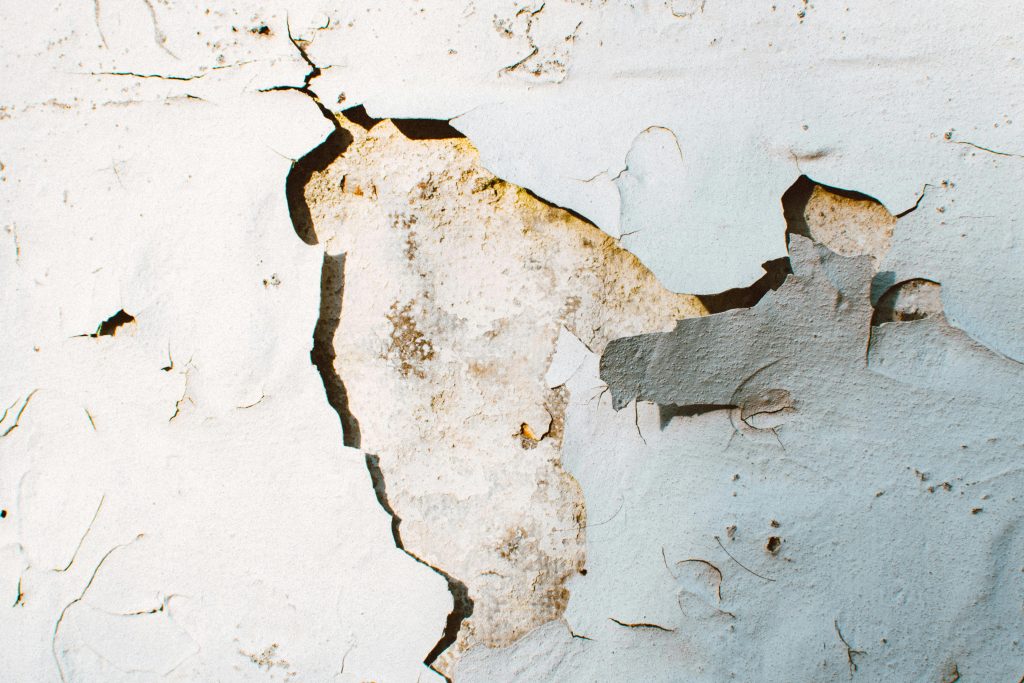
2. The condition of the property: Properties with visible damage such as leaking roofs, damp problems or older installations often require significant investment in renovation, which can deter potential buyers.
3. Awkward layout: Homes with impractical room layouts, e.g. small rooms or no separation between living and sleeping areas, rarely appeal to families or those who want flexible housing solutions.
4. Complex legal circumstances: Problems such as unclear ownership or ongoing disputes can create uncertainty among buyers and extend the sales process considerably.
These challenges not only affect the speed of the sale but can also reduce the sale value markedly. It is therefore important to identify these problems early and work strategically to minimise their impact.
Sales strategies for problematic homes
Selling a problematic home requires a tailored strategy that takes account of the unique challenges the home faces. Here are some practical tips and strategies to optimise the sale:
- Make the most of the property’s advantages: Focus on the positives of the property. Does the home have a fantastic view or charming original details? Highlight these in the marketing. It may also be worth investing in small improvements such as fresh paint or new fittings to increase its appeal.
- Target the right buyer group: Identify which type of buyers will be interested in your particular home. Are they first-time buyers on a limited budget? Or perhaps investors looking for renovation projects? Adapt your communication and marketing to this group.
- Work with experienced estate agents: An experienced estate agent often has in-depth knowledge of the local area and can identify niches of potential buyers you may not have thought of yourself. They can also advise on pricing and the timing of the sale.
By applying these strategies in a targeted way, you can minimise the home’s time on the market and improve your chances of a successful sale, even when the challenges seem overwhelming.
Selling homes despite a poor location
Selling a home in a poor location can be challenging, but it is far from impossible. By focusing on the potential of the surroundings and the property’s unique strengths, you can find the right buyer.
Improve the area’s reputation: Although you cannot move the home to a better place, you can change the perception of the area around it. Start by highlighting the positive aspects of the neighbourhood. Are there beautiful green spaces or interesting local initiatives? Feature them in the sales brochure and show pictures of these places online. If the area has access to good schools or cultural facilities, this should also be clearly communicated.
Get in touch with local enthusiasts or associations and collaborate on events or projects that improve the area’s image. This could be anything from markets to art exhibitions. Any activity that shows the community as dynamic and attractive will benefit the sale.
Focus on the property’s unique strengths: When the location is a problem, it is important to draw on the unique qualities of the home itself. Perhaps the house has a large back garden perfect for garden enthusiasts or dog owners? Or perhaps it offers cosy nooks with plenty of natural light?
Make these advantages visible through professional photography and online virtual tours. Also consider small investments such as landscaping or interior styling tips from a stylist to show the property at its best.
By taking control of the narrative about both the area and the home itself, you increase your chances of finding interested buyers – even if the address may not be ideal.
Improve the area’s reputation
When you face the challenge of selling a property with faults and defects, a strong reputation for the area can be a decisive factor. First and foremost it is important to engage actively in the local community. Working with local authorities can open the door to initiatives that improve infrastructure or increase safety in the neighbourhood. You can also get in touch with community groups working to create positive change.
Another step is to organise or take part in events that highlight the area’s qualities. This could be anything from street concerts to community clean-up days. These activities show commitment and can change the public perception of the area.
Visual campaigns also play a significant role in transforming an area’s image. Use before-and-after pictures to illustrate the improvements visually and let potential buyers see the transformation with their own eyes. Testimonials from current residents talking about the positive changes they have experienced can make a big difference.
By working systematically on these fronts, you create not only a more attractive picture of the neighbourhood but also better conditions for selling your home.
Selling a damaged home: Tips and tricks
Selling a home with damage requires careful planning and a clear strategy. Here are some steps that can help you through the process:
- Inspection and assessment of damage: Start by having a professional inspection of the property to identify all existing damage. Assess the extent and seriousness of the problems so you know exactly what you have to work with.
- Repair or improvement: Consider which repairs should be carried out before the sale. Minor faults such as cracks in walls or defective light fittings can often be fixed at relatively low cost and will give a better impression to potential buyers.
- Documentation of damage: It is important to be open about the faults that are not fixed before the sale. Make sure to provide thorough documentation, possibly in the form of reports from inspectors or tradesmen, that potential buyers can see.
- Price adjustment: Adjust the price of the home to take account of the remaining damage. Realistic pricing will attract more interested buyers, even if the home is not perfect.
- Communicating the significance of the damage: Explain clearly to potential buyers how any remaining problems affect the property’s functionality or its value going forward.
- Show the positive potential despite the defects: Focus on the strengths the home still has – such as location or room size – so that interest is maintained despite its defects.
Transparency towards interested parties builds trust and increases the chance of a successful sale even when the home has its weaknesses.
Pricing a damaged property
When you are setting the price of a damaged property, it is important to consider several factors to find the right value. The extent and type of the damage play a large role in pricing. Minor cosmetic damage typically has less impact than major structural problems.
Start by getting a professional assessment of the damage. A building surveyor can help quantify the damage and give an overview of what the repairs will cost. This gives you a better basis for deciding how much to adjust the price.
An effective method for realistic pricing is to use comparable properties in the area as reference points. Look for homes of similar size and location that have also had damage or needed renovation.
Here are some key factors for pricing:
- Nature and seriousness of the damage: Major structural damage often requires significant investment to fix, which should be reflected in the price.
- Repair costs: Take account of the estimated costs of repairs or upgrades.
- Current state of the market: Consider whether it is a buyer’s or seller’s market, as this can affect your pricing strategy.
- Comparable sales: Analyse the prices of similar properties sold within the last 6 months.
By systematically evaluating these factors, you can set a price that both attracts buyers and secures you the best possible deal.
Creative marketing of challenging homes
When you are marketing a home with challenges, it is important to think outside the box. Traditional methods are often not enough on their own, so the aim is to capture potential buyers’ attention with creative strategies.
One effective way to stand out is to create unique presentations of the home. Consider, for example, virtual tours or 3D models, which give an interactive experience and let buyers explore the property from home. This can be especially useful if your target group includes international investors or people who live far away.
Digital campaigns also play a decisive role in modern property marketing. Social media platforms such as Instagram and Facebook offer wide exposure through paid ads and organic content. Here you can highlight the home’s special features, such as its historic charm or potential for renovation.
Visual tools can make a big difference to how the home is perceived. Use “before” and “after” pictures to show improvements or the potential for transformation. These pictures help convey the vision of what the property can become, which can appeal strongly to buyers with a DIY mindset.
Another tip is storytelling – every home has its own story, and sharing it with potential buyers can be valuable. Whether it is the home’s former life as a schoolhouse or the unique architecture inspired by local traditions, seize the chance to stir emotion and interest in your audience.
Using these creative marketing techniques, you significantly increase your chances of success in the market.
Choosing channels for promoting a home
When choosing channels to promote a home with challenges, it is important to consider both traditional and digital options. Traditional methods such as newspapers and flyers can still reach a local audience, especially older generations who may not be as active online. An open house viewing can also be effective, as it gives potential buyers the chance to experience the home in person.
On the other hand, digital marketing offers a wider reach and more precise targeting. Social media such as Facebook and Instagram make it possible to tailor ads to specific demographics based on interests or geographic location. This can be crucial for reaching the right buyers.
Combining these strategies can create synergy in your marketing effort. For example, you can use social media to announce open house events to boost attendance, while local newspaper ads complement this by reaching the local community directly.
When choosing platforms, consider the following:
- Facebook: With its many users, it is ideal for both paid ads and organic content.
- Instagram: Perfect for visual content such as pictures of the home’s unique details or renovation potential.
- LinkedIn: Good for networking with professional investors or estate agents.
By integrating several different channels, you ensure maximum exposure and attract interest from more segments of the housing market.
Handling older installations in a home sale
When you are about to sell a home with older installations, it can be a challenge to judge how best to handle the situation. It is important to understand both the advantages and disadvantages of upgrading these installations before the sale.
Advantages of upgrading: By modernising older installations such as electrical or plumbing systems, you increase not only the home’s value but also its attractiveness to potential buyers. Updated systems can reduce future maintenance costs and give buyers peace of mind.
Disadvantages of upgrading: On the other hand, renovation can be expensive, and sometimes the costs will not be fully reflected in the sale price. It is therefore important to weigh the costs against the potential gains.
To maximise the value of your investments, you should focus on key areas:
- Electrical installations: Make sure safety certificates are in place and consider simple improvements such as new sockets or modern lighting.
- Plumbing system: Simple solutions such as replacing taps or improving water pressure can make a big difference without large investments.
When you communicate these upgrades to potential buyers, emphasise the long-term savings and safety benefits. Use descriptions that highlight the efficiency of the new systems and the comfort they bring to everyday life.
By strategically choosing which installations to upgrade before a sale, and clearly communicating the benefits to prospective buyers, you improve your chances of a successful sale.
Leave a comment