

There are two things you need to keep separate when you sell an older owner-occupied flat. One is the issues you have to take a position on: illegal installations and faults you know about. The other is ordinary wear and tear, which is not a legal defect but is taken into account in the price.
You can sell the flat as it is without renovating first, but the words “sold as seen” do not release you from liability for hidden defects or for issues you know about and fail to disclose. Illegal electrical installations you know about are exactly the kind of thing you need to deal with. If they have not been disclosed or made legal, the buyer can make a claim about them after the handover.
Cosmetic wear is a different matter. An uneven floor or old windows are typically not a legal defect, but something the buyer has to accept or that is reflected in the price. Your duty of disclosure (loyal oplysningspligt) covers significant faults and defects that you know about or ought to know about. It does not require you to renovate the whole flat.
Your duty of disclosure and liability for up to 10 years afterwards
As the seller of an owner-occupied flat, you have a duty of disclosure. This means you must tell the buyer about significant faults and defects that you know about or ought to know about and that could matter to the buyer’s assessment of the home.
If you do not present reports and an offer of change-of-ownership insurance, you are personally liable for hidden faults and defects, and that liability can extend up to 10 years after the handover. Owner-occupied flats are not handled like houses, where these documents are often a standard part of the sale. Bear that in mind when you are deciding how much to renovate before selling.
If you keep quiet about a known issue or give misleading information, you can be held liable for the buyer’s loss. Liability requires that you acted differently from an ordinary, reasonable seller. This means that not every fault leads to compensation, but nor does the liability disappear just because you have lived in the flat for a long time.
The buyer’s duty to investigate covers visible faults. Hidden faults, on the other hand, are something the buyer can claim for. You may have to give a proportionate reduction in the price even if you did not know about the fault, and if you knew about it without disclosing it, you can also be liable for damages. Your duty of disclosure carries more weight here, because the buyer could not find the faults themselves.
As a general rule, a claim becomes time-barred 3 years after the buyer became aware, or ought to have become aware, of the fault, and no later than 10 years after the handover (§ 3 of the Danish Limitation Act, forældelsesloven). For you, this means that a known issue does not go away, but there is a limit to how long the buyer can bring a claim. If the buyer discovers the fault eight years after the handover, there are therefore only two years left.

Why an owner-occupied flat is not like a house with a condition report
The Danish home inspection scheme (huseftersynsordningen) is rarely used for ordinary owner-occupied flats. A valid package requires reports on both the flat and the jointly owned property, and that is usually too expensive and extensive. That is why you almost only see the scheme used for flats in converted houses (villalejligheder). This is important to know, because it changes what you as the seller need to have in order.
A condition report that only covers the flat is not enough. It does not give you the special limitation of liability under the home inspection scheme. There must also be a report on the jointly owned property before that protection applies. So half a package does not give you the security many people expect from a condition report.
The consequence is clear: without the complete package of reports and an offer of change-of-ownership insurance, you are liable under the ordinary rules on defects. The buyer can make claims about hidden faults for years, and your duty of disclosure is what determines where you stand after the sale. There is no report or insurance to take over.
This is where owner-occupied flats differ from houses. With a house, the condition report and change-of-ownership insurance often take on much of the responsibility for bringing issues to light. With an owner-occupied flat, that task falls to you. Written documentation and honest disclosure of known issues are therefore more central. There is no system to catch you if you forget something. You have to keep track of it yourself.
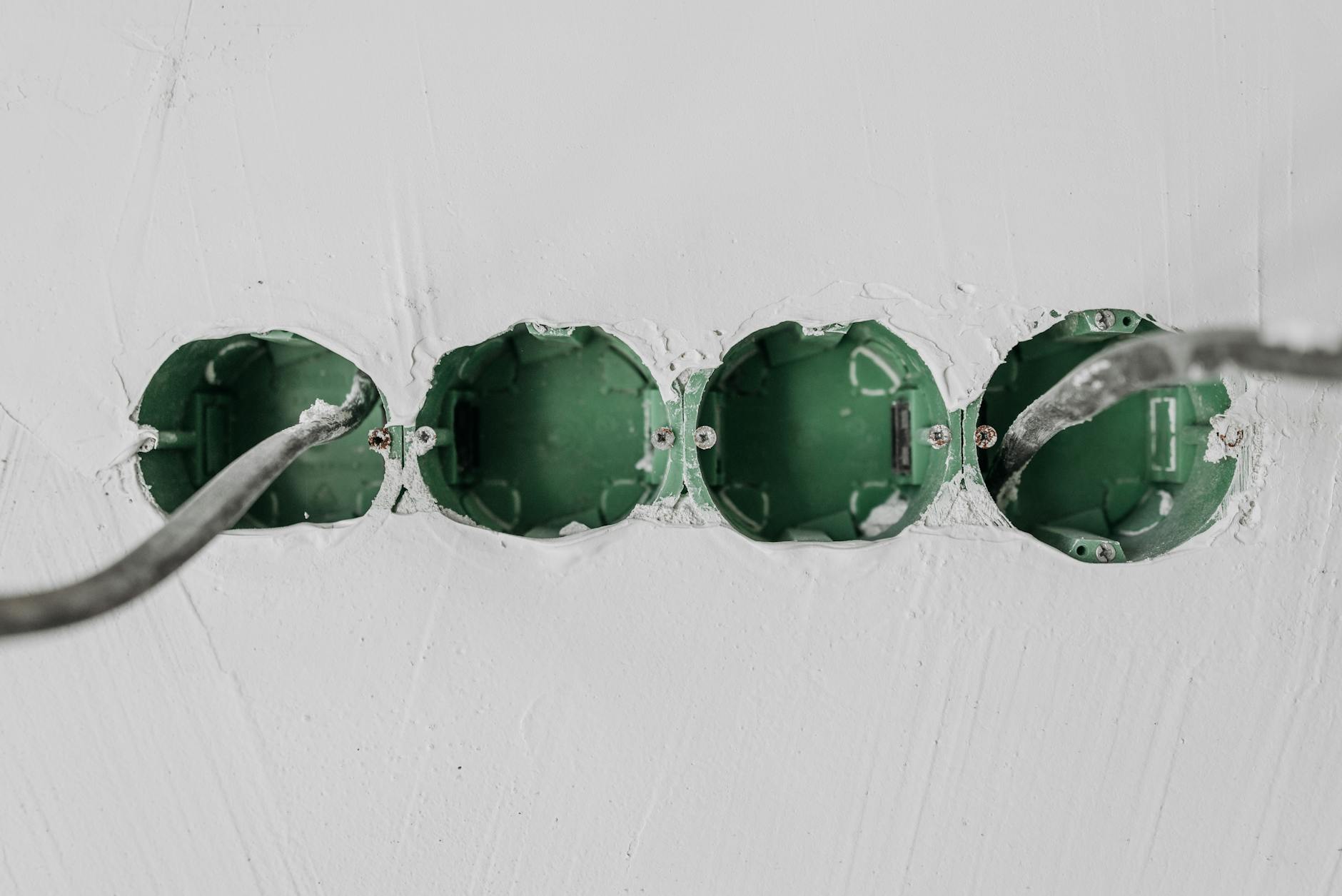
Start with illegal electrical installations
You cannot always tell whether an electrical installation is illegal. What matters is whether it complies with the rules for electrical installations, and the rules that apply are those in force when the installation was made. So an installation is not illegal just because it is old. It is illegal if it did not comply with the rules when it was carried out. This typically happens because the work was done by someone without authorisation, or because the materials and methods do not meet the standards.
That is why small jobs to bring installations up to standard are often the first thing you should spend money on. Get an authorised electrician to go through the visible installations, remedy the defects and issue documentation you can show the buyer. The electrician is not obliged to hand over the documentation, so ask for it yourself. It is your proof that the work has been carried out legally.
Some faults crop up again and again in older flats:
-
Sockets with an earth pin where no working earth conductor is connected
-
Loose wires joined with connectors outside approved junction boxes
-
Too many sockets or heavy appliances on a single circuit
Without documentation, illegal electrical work can become a dispute after the handover. If there is a fire and the insurer’s loss adjuster finds evidence of illegal electrical work, the insurer may, in the worst case, refuse to pay out. That is the risk you take if you leave the issue alone and sell on without dealing with it.
How to prioritise: low-cost compliance work before windows and floors
When the budget is tight, the order matters more than the amount. The order below is not random; it follows what could cost you something later.
-
Start with anything that could become a defect or a point of dispute: illegal electrical installations, leaking joints or other known hidden faults that the buyer will not see on an ordinary viewing. These are the issues that can lead to a claim after the handover, and that you do not escape by describing the flat as “sold as seen”.
-
Do not put cosmetic wear such as an uneven floor or old windows at the top of the repair list if your budget is limited. They can be described honestly and reflected in the price instead, and the buyer of an older home generally has to accept that kind of thing.
-
Give the flat a thorough clean, clear away loose items and do the small visible repairs. That makes for a calmer viewing, without you having to start on bigger renovations you may never get your money back on.
-
Do not try to pre-empt an undecided joint project in the owners’ association with your own building work. It is rarely wise, because the decision and the financing lie with the association, and a project may be approved in a different form or on a different scale than you expected.
That way you avoid expensive surprises, and you hold off on the visible work until it makes sense.
The owners’ association documents belong in the sales material
The buyer is entitled to see the association’s papers, not just your flat. The owners’ association information form (ejerlejlighedsskema) typically brings together details of the association’s expenses and planned work. It gives a realistic picture of what it costs to live in the association. Make sure everything is available and up to date before you start holding viewings.
-
The articles of association show the rules that apply in the association.
-
The minutes of the general meeting show what has been decided.
-
The accounts and budget tell you where the association’s money goes.
-
The maintenance plan points to planned work.
A condition report on the flat does not necessarily say anything about joint projects the association has decided on. A clean report can hide a roof or pipe replacement that has already been approved, which the buyer only discovers when the bill arrives. Reports and association documents answer different questions and should be read together.
Planned and approved projects must be included in the sales material, because they directly affect the buyer’s finances. An upcoming joint project is an expense the buyer will have to pay their share of, and if it is not stated, it can become a problem later. On the other hand, you do not have to carry out the association’s work yourself before you sell. It is the association that decides and pays.
You should also check whether the articles of association require an electrical or plumbing inspection. A judgment from Østre Landsret (the Eastern High Court), handed down in spring 2026 (U.2026.3708 Ø), shows that such a requirement can be interpreted as a warranty to the buyer. The case concerned a cooperative housing unit (andelsbolig) where the articles required plumbing and electrical inspections on sale. The seller presented the required declarations and remedied the points noted, but after the handover an authorised plumber found several faults and illegal conditions that had not been discovered during the original inspection. Østre Landsret found in favour of the buyer. According to DEAS, the requirement in the articles was interpreted as a warranty from the seller that the installations were legal and in working order.
So the wording of the articles of association and the transfer agreement can determine how far your liability extends. If you declare the installations legal and in working order, your liability can go beyond the content of the report. Remember this when you assess which faults to put right before selling. A requirement in the articles can shift an issue from the association onto you.
Build known issues into the price and the viewing
Once you have decided what to fix and what to leave, the known issues need to be brought out into the open. Put them in the sales brochure and mention them at the viewing. That way you create clarity and make it harder for the buyer to make a claim later.
This applies especially to hidden faults you know about. You cannot just hope the buyer will not discover them. You must actively disclose them, or you risk liability for damages for failing to disclose. That is why it rarely pays to cover up a known fault and act as if nothing is wrong.
As a rule, the buyer cannot demand that issues they have seen or been told about are put right afterwards. The buyer knew about them at the handover, and that rules out a later claim.
If the buyer still complains about a defect that was disclosed, the claim is weak. You cannot claim damages for issues the buyer knew about, and visible defects normally cannot be claimed for. The more clearly you have disclosed things, the less there is to come after you for.
Selling to a landlord or within the association: the same rules apply
The rules are the same whether you sell to a landlord or to another owner in the association. The seller’s liability for hidden faults and defects applies unchanged. The way you sell does not change your duty of disclosure, and you do not get off more lightly because the buyer is a professional or someone you know.
Before you go any further, check the owners’ association’s articles for any right of first refusal. It can give other owners or the association the right to step into the sale on the same terms. If you do not respect the right of first refusal, an agreement with an outside buyer may turn out not to hold.
Even with an internal sale, you must give the same written information about known faults and planned joint projects. It is no different just because the buyer knows the building. The aim is that you can both agree afterwards on what was disclosed, and when. A verbal agreement about the pipes in the basement is quickly forgotten once a couple of years have passed.
A professional buyer can be expected to examine the property more thoroughly, but you must still disclose the faults you know about. Your liability can extend up to 10 years after the handover, so the same thoroughness applies to documentation and price, whoever the buyer is.
Get a free valuation and a chat about what is worth fixing
To sum up: illegal installations and known faults must be disclosed or put right. Cosmetic wear can be reflected in the price. If you keep the two apart, you avoid the problems that could cost you after the handover.
An electrical installation report is not a legal requirement when you sell a flat, but it can be useful as documentation of the condition of the electrical installations. The report is prepared by an authorised electrician, who assesses whether the installations are legal and working properly. If you choose to have one done, you get a document showing what has been checked and which faults were found.
If you would like someone to look at your particular flat before you decide, you can book a free, no-obligation valuation with Brikk, where a local estate agent views the flat and you can ask what is worth fixing.
The point is not to renovate as much as possible. It is about creating clarity. Once your duty of disclosure has been met and the price reflects the wear you have not fixed, the sale can go well without you having done everything up. You do not need to rebuild the flat to move on. You need to know what you are selling, and say it out loud.
Leave a comment