
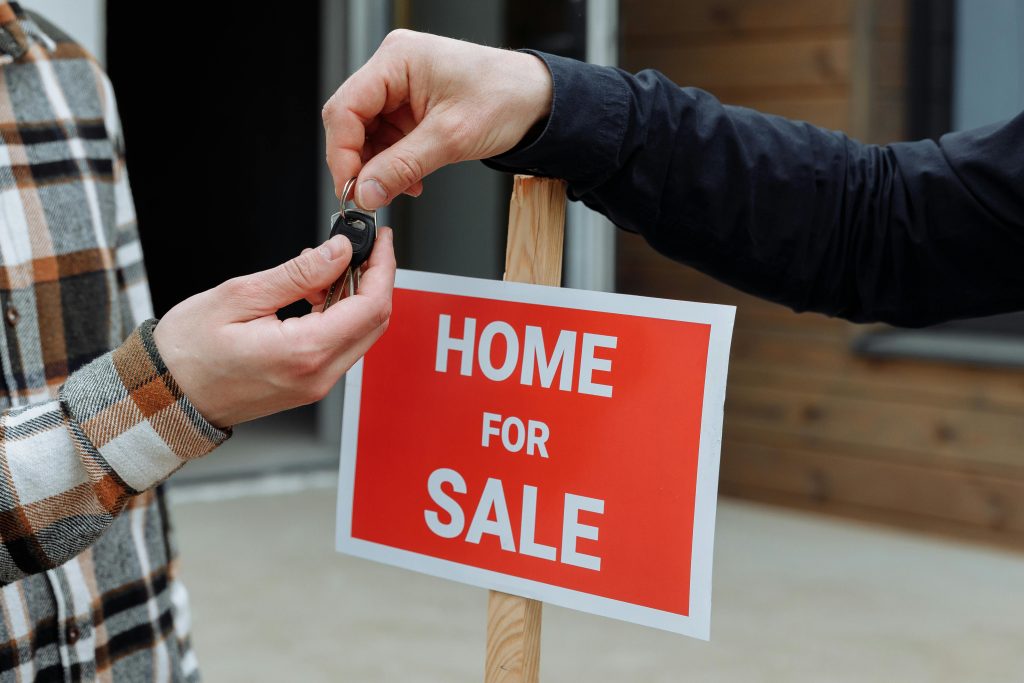
When the housing market is in a difficult position, there can be several reasons. Economic challenges such as rising interest rates, lower consumer confidence or economic uncertainty can all contribute to falling demand for homes. This pushes prices down and makes it harder to find buyers who are willing to invest.
For you as a seller, this means not only financial challenges but psychological ones too. Not knowing when and how you will be able to sell your home can be stressful. It is natural to worry about potential losses in value or a drawn-out sales process.
This article guides you through the strategies and solutions that can make your home sale more effective in a challenging market. We take a closer look at topics such as market analysis, pricing strategies and creative ways to attract buyers despite the headwinds. The aim is to give you the tools to make informed decisions and improve your chances of a successful sale.
How does the market affect the sale of your home?
When the market is sluggish, it can have a direct impact on the sale of your home. Prices are often pushed down, which means you may not be able to get the price you had hoped for. One reason is that buyers are on the lookout for bargains and tend to wait in the hope that prices will fall further.
One significant factor is the level of interest rates. When rates rise, it becomes more expensive for buyers to finance a home purchase. This can put them off buying now and make them wait for better conditions instead.
Consumer confidence also plays a big part. Low confidence in the economy can make potential buyers reluctant to make big financial decisions such as buying a home.
The supply of homes can also affect your sale. If there are many homes for sale in the area but only a few interested buyers, sellers end up competing for the few deals available.
Here are some key market indicators to keep an eye on:
- Interest rates: Higher rates reduce buyers’ ability to secure financing.
- Consumer confidence: Low confidence often leads to less investment in property.
- The labour market: Uncertainty or falling employment can reduce the number of active buyers.
- Supply versus demand: When there are more homes than buyers, prices are pushed down and homes take longer to sell.
By keeping a close eye on these indicators, you can better understand how the market specifically affects your chances of a quick sale and which strategy best suits your situation.
Sell now or wait? Key considerations
When you are deciding whether to sell your home in a difficult market, there are several factors to take into account. Should I sell now or wait for better times? It can be a hard decision, but weighing up the pros and cons can give you clarity.
Advantages of selling now:
- Avoid further price falls: If the market keeps falling, it can pay to act quickly and avoid even lower prices.
- Fewer competitors: In a sluggish market, some sellers hold back from putting their homes up for sale. That can give you an advantage, with less competition.
- Stable interest rates: Although rates may rise further, they may not affect your sale as negatively now as they could later on.
Advantages of waiting for better market conditions:
- Potential for higher sale prices: If you wait for the market to pick up, you may be able to get a higher price.
- Greater buyer interest: An improved economic climate often generates more interest among potential buyers, which can lead to more favourable terms of sale.
- Better financing options for buyers: Lower interest rates in the future could increase the number of qualified buyers and with it your chances of a good sale.
Before you make the final decision on whether to sell now or wait, you should take the following factors into account:
- Financial commitments: Can you afford a potentially longer wait without the proceeds of a sale?
- Housing needs: Is your current housing situation urgent, or do you have the flexibility to stay put for longer?
- Future market outlook: What do experts say about the housing market ahead? Can forecasts help you with your strategy?
Weighing up these aspects carefully gives you a better basis for deciding on the right strategy for selling your home.
Tips for a quick home sale in a downturn
When you are trying to sell your home during a downturn, it is important to take strategic steps to improve your chances. One of the most effective tips is to make sure your home looks as attractive as possible. Small home improvements can make a big difference. Consider simple updates such as a fresh coat of paint or sprucing up the outdoor areas, which can increase the property’s appeal.
Price adjustments also play an important part in selling quickly in a downturn. It can be tempting to hold on to earlier valuations, but realistic pricing based on current market conditions is crucial. Look at comparable sale prices in your area and adjust your price to stay competitive with other sellers.
Effective marketing should not be underestimated either. Make your home more visible using online platforms and social media. Professional photos and detailed descriptions often make an impression on potential buyers and generate more interest.
Also consider holding open houses as a way of attracting several visitors at once. This lets buyers experience the home in person and form emotional connections that can lead to quicker decisions.
By actively combining these strategies, you stand a better chance of a successful sale despite the economic challenges.
Effective marketing: strategies that work
Selling a home in a challenging market calls for creative, modern marketing strategies that can catch potential buyers’ attention. Social media is one of the most effective platforms for reaching a wide audience. On Instagram or Facebook, you can share professional photos and videos that show off the home’s best features.
Virtual viewings have also become popular. They let buyers experience the property from home, which can be crucial at times when people may not be able to visit in person. An engaging virtual tour can give potential buyers a sense of the space and atmosphere without being there physically.
Online platforms such as Boliga.dk or Zillow offer specific options for advertising homes. There you can target your listing at relevant segments of the market, which increases your chances of finding serious buyers.
Storytelling also plays a central role in marketing a home for sale effectively. By telling the story of the home – its unique features, the charm of its location or its previous owners – you create emotional connections with potential buyers.
Visual content such as drone footage or 360-degree images enhances the presentation further by offering spectacular perspectives on the property and its surroundings.
Although some strategies require investment, there are also low-cost solutions with a big impact. Use local Facebook groups or share posts on networking apps such as Nextdoor for free exposure.
Combined, these methods give you powerful tools to market your home effectively and put you in a stronger position against the competition.
Selling your home at a loss – what should I do?
Selling a home at a loss can be a frustrating experience, but unfortunately it is a situation many homeowners face in a challenging market. Falling prices can be caused by economic downturns or changes in the local area that hurt the property’s value. But even if the outlook seems bleak, there are strategies to reduce your loss when you sell.
Negotiation techniques: minimise your loss
When you are facing selling your home at a potential loss, effective negotiation techniques can make a difference. For private sellers, it is about being well prepared and flexible during the negotiations. Be open to the buyer’s needs and try to find common ground without necessarily compromising on your own requirements.
A professional estate agent can also be invaluable in this process. They often have experience and knowledge of the market’s nuances, as well as strong networks that can bring in potential buyers. A skilled agent can help you with your pricing strategy and make sure the home is presented in the best possible way.
Setting the right price in challenging conditions
Setting the right price from the start is crucial not only for a quick sale but also for keeping any loss to a minimum. Look at current prices for similar homes in your area and adjust to the latest sales data rather than earlier valuations.
You could also consider incentives such as covering completion costs or including small repairs in the price to tempt potential buyers.
By actively using these techniques, you give yourself a better chance of a realistic sale despite unfavourable market conditions.
Negotiation techniques: minimise your loss
When you find yourself having to sell your home at the risk of a loss, specific negotiation techniques can be decisive. One of the most useful is the “anchoring strategy”. Here you start with a firm opening price that sets the frame for further negotiations. Starting from a realistic but slightly higher figure gives you room to meet the buyer’s expectations without compromising.
It is important to understand the dynamic between offer and counter-offer. A good piece of advice here is always to take the time to consider an offer carefully before you respond. This leaves room for strategic thinking and shows the buyer that you are not rushing your decisions.
Another practical technique is active listening during your conversations. By really listening to the buyer’s wishes and needs, you can identify points where flexibility can satisfy both parties – without necessarily focusing only on price.
Bringing emotion into the process can also be effective. Sharing personal anecdotes about the home or the charm of the area can strengthen emotional connections and bring a softer touch to tough negotiations over the figures.
Finally, never underestimate the value of patience; haste rarely leads to the best deals. Give both parties room and time to reflect – this shows respect and builds trust in the process.
Setting the right price in challenging conditions
When it comes to selling your home in a tough market, setting the right price is crucial. A realistic pricing strategy can be the difference between a quick sale and a property that sits unsold on the market.
Start with a thorough assessment of market conditions. Look at recent sale prices for similar homes in your area. This gives you an overview of current trends and helps you adjust your expectations.
Use tools such as online valuation platforms, or work with a local estate agent. They can offer insight based on their experience and access to databases that ordinary sellers do not have.
A dynamic strategy also means flexibility in pricing. Consider gradual price adjustments depending on the response from potential buyers. If interest is low, small reductions can make the home more attractive without signalling desperation.
Also factor in incentives such as covering closing costs or offering repairs – these can come across as added value for buyers and justify a higher starting price.
Finally, you should take account of economic factors such as interest rate changes and local developments that can affect demand in the housing market. Keeping your finger on the pulse ensures that your pricing strategy is proactive rather than reactive.
Creative ways to attract buyers
Navigating a sluggish market often requires you to think outside the box. Standard methods such as traditional open house events can have limited effect when demand is low. So it can be a good idea to consider some more creative initiatives.
One exciting option is to hold themed open house events. Imagine, for example, a “summer party” theme, where potential buyers are invited to a pleasant afternoon with a barbecue and music in the garden. This not only creates a relaxed atmosphere but also lets you show off the home’s potential as a setting for social occasions.
Incentives can also play a big part in a quicker sale. Consider offers such as a free removal or paid closing costs for the first few buyers. These extra carrots can make your home more attractive than similar properties without such offers.
Another creative initiative could be to work with local artists or designers on temporary installations or interior themes in the home during viewings. This creates unique experiences and makes it easier for buyers to imagine the different possibilities the space offers.
Personalising your marketing can also pay off. Create targeted brochures or online campaigns that appeal directly to the buyers you are after – perhaps families with children or young professionals? The more specific and personal your approach, the stronger the connection between potential buyers and your home.
Conclusion: key considerations for an effective sale
Selling your home in a weak market requires a combination of strategy, flexibility and creative thinking. It is crucial to understand the market’s dynamics and adapt to current conditions. You should set a realistic pricing strategy that takes account of competition and economic trends.
Effective marketing also plays a big part in standing out from the crowd. Consider alternative ways of attracting buyers, such as themed open house events or unique incentives that can make your home more attractive.
Negotiation techniques are essential when you face a potential loss. Starting from a solid price base and using active listening can help you minimise any losses on the sale.
Always remember to keep up to date with market trends and be ready to make adjustments as needed. Flexibility and a proactive approach are the keys to a successful home sale in challenging times.
Leave a comment