
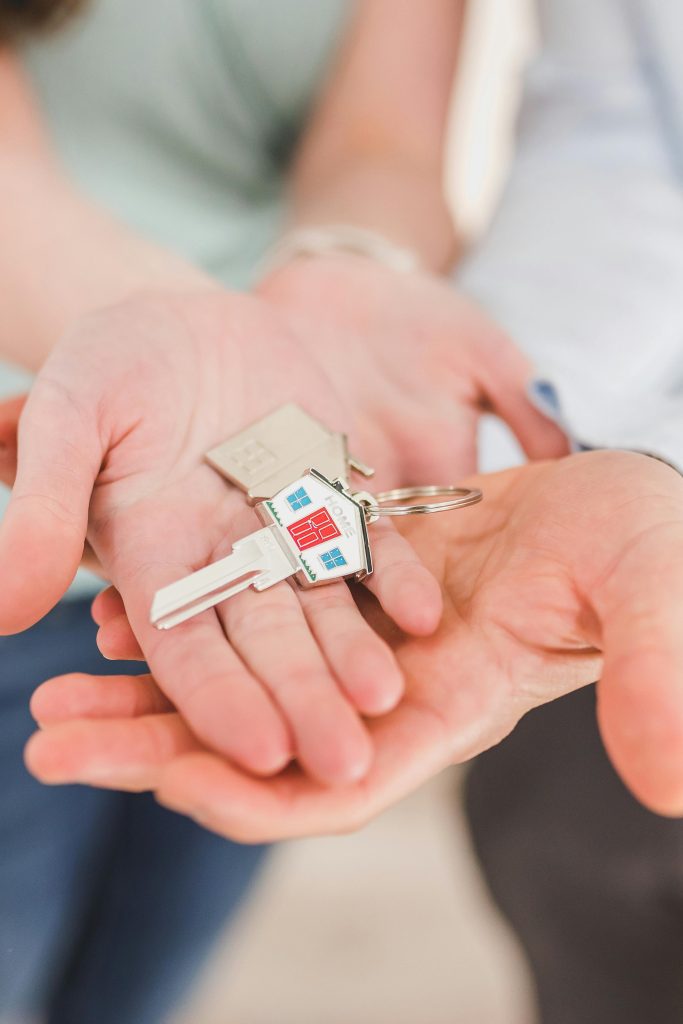
When there are several potential buyers for your home, it can put you in a favourable position as the seller. A growing number of interested parties can mean higher demand, which often results in better terms and higher prices. It lets you choose the best deal from among the many bids.
Effective sales strategies
To make your home even more attractive and draw in more buyers, it is important to have effective sales strategies in place. Here are some key elements:
- Marketing optimisation: Make sure your home gets maximum exposure by using digital platforms such as social media and property portals. The wider the reach, the more potential buyers.
- Preparing for viewings: Before the viewings, you should make sure the home looks inviting. This can include everything from a thorough clean to stylish furnishing, with the aim of creating a positive first impression.
Set the right price and use high-quality photos
A crucial part of the process is setting a realistic price and presenting the home as well as possible online:
- Set a competitive price based on market analysis.
- Make sure you have high-quality professional photos for online advertising.
Steps to a good sales strategy:
- Analyse the market and compare with similar homes in the area.
- Use attractive photos and consider video tours or virtual viewings.
- Draw up an effective marketing plan aimed at the relevant target group.
How do I handle multiple bids? Useful tips
Receiving several bids on your home can be both exciting and overwhelming. It means there is strong interest in your home, which often leads to a more lucrative sale price. But with multiple offers also comes the need to keep a cool head and make sure you get the most out of the situation.
To keep track of things and stay in control throughout the process, it is important to have some clear strategies in place. Here are three useful tips for handling multiple bids effectively:
- Make a plan for receiving and evaluating bids: First and foremost, you should have a structured approach to how you receive and assess the different bids. This includes setting deadlines for submitting offers and criteria for comparing them.
- Consult an estate agent: An experienced estate agent can be invaluable in this process. They have the expertise to assess market trends, help you with price negotiations and make sure you get the best possible deal.
- Watch out for the pitfalls of choosing the wrong bid: It is tempting simply to accept the highest bid, but remember to take the conditions of each offer into account too. Sometimes a lower cash bid with no financing conditions can be more advantageous than a higher amount that depends on a loan or an inspection.
Bidding rounds when selling a home: what you should know
When you sell your home, a bidding round can be an effective way to secure the best price. In a bidding round, interested buyers are invited to submit their highest bid within a set time frame. This creates a competitive environment in which buyers have to act quickly and often outbid one another.
A typical bidding round begins by announcing the sale and inviting buyers to take part. It then goes through these steps:
- Setting a minimum price: The seller decides on a minimum price that all bids must exceed.
- Communicating deadlines: Clear deadlines are set for when bids must be received.
- Receiving and evaluating bids: When the deadline passes, every bid received is reviewed carefully.
- Choosing the best offer: The most favourable deal is chosen based on both price and terms.
When you plan a bidding round, there are strategic considerations that can have a positive effect on the outcome:
- Be realistic about the minimum price: If the price is too low or too high, it can scare off potential bidders or result in fewer participants.
- Be prepared to make quick decisions: Bidding rounds often require quick action from both the seller and the buyers. Be ready to make fast but well-considered decisions when the offers start coming in.
- Have your paperwork in order: Make sure all the necessary documentation is ready before the round starts – this includes the terms of sale and any clauses or additional requirements on your part.
The benefits of a bidding round: increase your sale price
When you sell your home, a bidding round can be an effective tool for getting the best price. One of the biggest advantages of a bidding round is the increased competition between buyers. When several interested parties bid against each other within a limited time frame, it often creates a sense of urgency in which buyers have an incentive to bid higher so as not to lose the opportunity.
Another significant advantage is the transparency of the offer process. Every participant knows the terms and deadlines in advance, which creates a fair and open playing field. It also means that you, as the seller, get to choose between genuine, well-considered offers with no hidden conditions.
A bidding round also gives you a better insight into your home’s market value. Seeing the prices potential buyers are willing to pay gives you direct feedback on what your home is worth compared with similar homes in the area.
Many sellers have had success with this method; some have seen their final sale price rise well above the price they originally expected, thanks to the competition in the bidding round. So give this strategy serious thought as a way to get the most out of your sale.
Bidding round rules for homes: key insights
In Denmark there are clear rules on holding a bidding round when a home is sold. They are designed to make sure the process is fair and transparent for everyone involved.
Basic laws and regulations
First, the seller must comply with the laws that apply to property transactions. Among other things, this means that all potential buyers must have equal access to information about the home and the terms of the sale.
In addition, the deadlines for receiving offers must be communicated clearly from the start. This ensures that no buyer gains an unfair advantage by learning of deadlines or conditions at the last minute.
Ensuring a fair process
A fair process starts with openness about the minimum price and other relevant details. The seller should also make sure that no bidder is discriminated against on the basis of personal preferences or irrelevant factors.
It is important to keep track of the paperwork at all times – every offer received and all correspondence with interested parties should be filed properly. This can be crucial if a dispute arises later on.
Steps you need to take as the seller:
- Set a clear framework: Define the minimum price and deadlines, and communicate them in writing to all participants.
- Use a professional agent: Consider getting an estate agent to guide you through the rules of the process.
- Put everything in writing: Keep all relevant correspondence and the offers you receive somewhere safe.
- Avoid favouritism: Assess every offer objectively against set criteria rather than personal preferences.
How do I choose the best buyer?
When several buyers are interested in your home, it can be tempting simply to pick the one offering the highest price. But it is important to look beyond the amount offered and weigh up other factors that can affect how successful the sale is.
Financial stability and financing conditions
One of the first things to consider is the buyer’s financial situation. A financially stable buyer is often a more reliable party to the deal. This means you should check whether the buyer has an approved home loan or whether their offer depends on specific financing conditions. If a buyer has not already got their financing in place, it can lead to delays or even the deal falling through at the last minute.
Flexibility on the handover date
Another important aspect is flexibility on the handover date. Some sellers need to move quickly, while others may want extra time for the transition between selling and buying a new home. Talk to potential buyers about their timelines and see who best matches your own needs.
With several interested parties, you are in a stronger negotiating position. You can strike a balance between price and terms by asking relevant questions such as:
- Is your offer conditional on selling your own home?
- How quickly can you complete the purchase?
- Do you have any special requirements or conditions?
This approach secures you not only the most favourable deal but also a smoother sale.
Should I accept the first offer? Things to consider
It can be tempting to jump at the first offer you receive, especially if it is close to the price you want. But before you say yes, it is important to consider several factors. First, take a look at the terms the buyer is offering. Are there any conditions relating to financing or the sale of their own home? These can affect both the process and how secure the deal is. Also assess the buyer’s background – do they have stable finances and the ability to complete the transaction? If not, complications may arise later.
Accepting an early offer without further thought can have unforeseen consequences. You may miss out on better offers from other interested parties, which could come in after a little time on the market. Quick decisions can also lead to problems with handover dates or other important terms that do not quite match your needs. Taking the time to evaluate several options gives you a better basis for a well-considered decision.
When should I say yes to an offer?
Deciding to accept an offer on your home is not always straightforward. There are, however, times when saying yes can be particularly advantageous. If the offer is close to or above the asking price, it may be a sign that you have secured a good deal. This is especially true if the offer also comes with favourable terms, such as flexible handover dates or few demands from the buyer.
In certain market conditions, accepting an offer quickly can be a big advantage for you as the seller. In a strained market with many homes for sale and fewer buyers, for example, it can be strategically wise to accept a reasonable offer quickly to avoid a longer time on the market and potential price reductions.
If your finances call for a quick end to the sale – perhaps because you are moving or have another pressing need – it can also make sense to accept a solid first offer rather than wait for better opportunities. These examples show the importance of both market insight and personal planning when deciding when to say yes.
Negotiating your home sale: successful techniques
When you are in the middle of a property sale, negotiation plays a central role. It is not just about agreeing on the price, but also on the terms of the sale. Good negotiating skills can help you get the best deal and make sure that both you and the buyer are satisfied.
Realistic goals and understanding the buyer’s point of view
Start by setting realistic goals for your sale price and other terms. Having clear expectations makes it easier to navigate conversations with potential buyers. At the same time, it is important to understand the buyer’s perspective: what motivates them to buy, their financial situation and any needs they may have. This insight can give you a stronger basis for your arguments during the negotiation.
- Be open to compromise: Sometimes small adjustments to your demands can leave both parties more satisfied. Be willing to be flexible on the handover date or on minor repairs before the sale.
- Know your “walk-away” point: Understand when it no longer makes sense to keep talking. If the price offered or the terms do not fit within the limits you have set, be ready to walk away from the deal politely.
- Listen actively: During meetings, listen carefully to what the buyer says – there is often important information hidden between the lines that can be used tactically later on.
By using these techniques, you increase the chances of a successful outcome in which both parties feel they have been treated fairly.
The estate agent’s role in bidding rounds
Experience in negotiating and handling multiple offers
When you are facing a bidding round, an estate agent’s experience can be invaluable. An experienced agent will often have been through many bidding rounds before, giving them insight into market dynamics and buyer psychology. They know exactly how best to present your home to attract as many buyers as possible. By analysing market trends, they can advise you on the most realistic pricing strategy.
Agents are also skilled at navigating between several offers. They know how to evaluate the strengths and weaknesses of each one, giving you the best possible basis for your decisions. They can also guide you through the process calmly and clearly, which reduces the stress of dealing with several interested parties.
An efficient and fair bidding round for both parties
An estate agent ensures not only efficiency but also fairness during a bidding round. For both seller and buyer, it is important that the process is transparent. Estate agents use their skills to communicate the terms clearly to everyone involved. This builds trust among potential buyers.
One example could be a situation where several buyers are showing strong interest at the same time. Here the agent will arrange structured rounds of talks with each party to make sure everyone has an equal opportunity to make their best offer, without unfair advantages or pressure from other interested parties.
Agents also help with the paperwork and formalities involved in accepting a final offer – all with a focus on achieving the best possible result, both financially and in terms of timing.
Leave a comment