
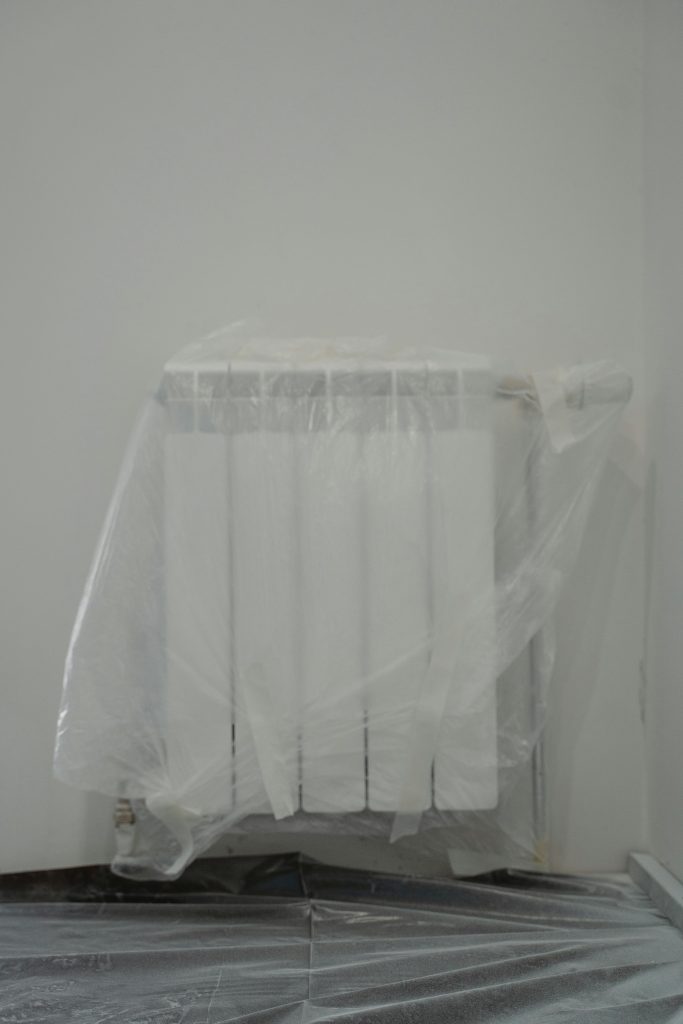
If you are thinking about improving your home, an energy renovation is something you should consider. It is about making your home more energy-efficient and sustainable. With an energy renovation, you can save money on your bills while also reducing your environmental impact.
Energy renovation covers a wide range of upgrades to your home. From better insulation to efficient heating systems – there are plenty of options. The aim is to minimise energy consumption without compromising on comfort.
This guide will help you understand the key elements of an energy renovation. You will learn about the various benefits of the process and gain insight into how best to go about it.
For homeowners, it means not only lower energy costs but also a higher property value in the future. Energy improvements make the house more attractive on the market if you decide to sell.
You will get an overview of the step-by-step process of an energy renovation, from planning to implementation. Whether you want to make small adjustments or take on larger renovation projects, this guide can give you the guidance you need.
Why you should carry out an energy renovation now
Taking the step towards an energy renovation is more relevant than ever. There are several reasons why it makes sense to act now rather than wait.
Financial savings play a big part. By introducing energy-saving solutions, you can reduce your monthly outgoings considerably. Energy prices keep rising, so it is about future-proofing your finances by keeping your energy consumption to a minimum.
The environmental impact is also an important factor. We are facing climate change, and every single action counts. By making your home energy-efficient, you reduce your CO2 emissions and contribute to a greener planet.
New technologies in energy renovation make the process easier and more efficient than before. From smart thermostats to solar panels – there are many options, and they can easily be integrated into modern homes.
Here are some specific energy-saving solutions you can put in place straight away:
- Loft insulation: Prevents heat loss and keeps the warmth in during the cold months.
- Replacing old windows: Energy-efficient glazing reduces draughts and improves the indoor climate.
- Installing a heat pump: A sustainable alternative to traditional heating systems that uses less energy.
- LED lighting: Switch to LED lamps for lower electricity bills and longer-lasting bulbs.
- Solar panels: Generate your own green energy straight from the sun.
These solutions require varying levels of investment, but they quickly pay for themselves through lower costs.
The key steps in an energy renovation
When you plan an energy renovation, it is crucial to take the right steps to achieve an energy-efficient home. Insulation plays a central role in this process and can significantly reduce your energy consumption.
First, you need to analyse your current situation. A thorough review of your home’s current level of insulation helps you identify areas with room for improvement. Check the loft, walls and floors to see where insulation may be missing or where the existing insulation may be outdated.
Next comes the planning phase. Here you should consider the different types of insulation material available, such as glass wool or foam insulation. The choice depends on your specific needs and your budget. It is also important to contact professionals for advice on the best solutions for your particular home.
The next step is carrying out the work itself, where the chosen insulation is installed correctly. This often involves professional help to ensure optimal coverage and efficiency. Remember the details – even small gaps can lead to significant heat loss.
After installation, you should carry out a quality check. Go through the whole house again to make sure everything has been installed correctly and works as intended. Consider using thermal imaging cameras to reveal any problem areas that are still letting heat escape.
Finally, the results should be evaluated on an ongoing basis once the renovation is complete. Keep an eye on your energy costs to assess how effective the work has been over time, and make adjustments if necessary.
New energy requirements in 2025: what do they mean for you?
From 2025, new energy requirements will come into force that could have a major impact on you as a homeowner. These requirements are part of the Danish government’s efforts to reduce the country’s total CO2 emissions and promote more sustainable energy use.
The expectation is that all buildings will have to meet stricter energy-efficiency standards. This means you may need to make changes to your home to comply with the new rules. If your house has not already undergone an energy renovation, it may be necessary to take steps towards improvements such as better insulation or more efficient heat sources.
One practical application of these new requirements could be installing heat pumps instead of traditional boiler systems. Heat pumps use less energy and emit fewer greenhouse gases than older heating methods. This will not only help you comply with the legislation but also bring financial savings in the longer term.
It is important to act now, as the cost of making adjustments later can often be higher than if you start planning early. By taking the initiative before the requirements come into force, you protect yourself against any fines and get to enjoy a more efficient home sooner.
Meeting the upcoming energy requirements may require some investment on your part; however, it also creates an opportunity to increase your property’s value and lower your energy costs in future. You should therefore see it as a long-term benefit, both environmentally and financially.
How new legislation affects your home
The upcoming legislation on energy efficiency in homes requires you, as a homeowner, to take steps to upgrade your home. These rules aim to reduce energy consumption and lessen the environmental impact of buildings.
Stricter insulation requirements
One of the most important changes is tighter insulation requirements. A higher standard is expected for how well your house must be able to retain heat. This means many homeowners will need to add extra insulation to their lofts and walls to meet the new criteria. Insulation is an effective way to save energy by minimising heat loss and thereby reducing the need for heating.
Upgrading your heating system
The legislation will also affect your options when it comes to heating. Old oil burners and inefficient boilers could soon be a thing of the past. Instead, the emphasis will be on heat pumps and other sustainable alternatives that use less energy and produce fewer CO2 emissions. If you are already considering a new system, it may be well worth investing in these modern solutions now.
Ventilation systems with heat recovery
New rules also include guidelines for ventilation systems, particularly those with heat recovery technology. These systems reuse warm air from indoors to heat the incoming fresh air, which effectively reduces the need for extra heating in winter.
The role of lighting in saving energy
The changes also bring a focus on lighting: incandescent bulbs are being replaced entirely by LED lighting or other energy-efficient solutions. LED bulbs use considerably less electricity than traditional bulbs and also last longer, which both saves money and helps you comply with new regulations.
Do yourself a favour and start now – go through your property with the future requirements in mind and assess which adjustments need to be made before 2025.
How to finance your energy renovation
Financing an energy renovation can seem daunting, but there are several options available to help you cover the costs. Here are some practical tips and steps you can take to find the right solution:
Home loans and mortgage lenders
The most common way to finance major improvements such as energy renovations is through a home loan, or by taking out an additional loan against your property through your mortgage lender. Many banks offer loans specifically for energy improvements, often at lower interest rates than traditional loans.
When considering this option, you should talk to your bank adviser about the different loan options and compare interest rates. Remember also to assess your own financial situation and your ability to repay.
Energy grants from the state or your municipality
In Denmark, there are several support schemes and grants that can help finance energy renovation projects. These grants are typically intended to promote sustainable solutions in private homes.
To apply for these funds, you first need to find out which specific schemes are available in your area or municipality. You then gather the necessary documentation — such as a project description and a budget estimate — before submitting your application.
Keep an eye on application deadlines and any requirements for how the renovation must be carried out.
Tips for a successful energy renovation
When you are about to carry out an energy renovation, there are many factors to take into account. A good plan lays the foundation for a project that both meets your needs and lives up to the requirements of the future.
Begin with a thorough assessment: Start by identifying the areas of your home where energy savings can be made. This could be anything from insulating the loft and walls to replacing windows or installing more energy-efficient heating systems.
Involve professionals early in the process: Seek advice from energy consultants or tradespeople who specialise in sustainable solutions. They can give you insight into the latest technologies and materials and help you find the most cost-effective solution.
Set a realistic budget: Find out what different solutions cost and draw up a detailed budget. Remember to include unforeseen expenses too, so you are not caught out along the way.
Choose quality over quantity: Although it can be tempting to go for the cheapest solution, it is often better in the long run to invest in quality materials. This will ensure durable results and bigger savings on your energy bills.
Tips for effective planning:
- Research the options thoroughly before you start: Get to know the different products and technologies available on the market.
- Prioritise projects by impact: Start with the solutions that have the greatest potential for energy and cost savings.
- Set clear goals for the renovation: Define what you want to achieve – for example, lower heating costs or a better indoor climate.
- Keep track of the timeline: Draw up a detailed schedule for each stage of the renovation – this helps you stay focused and avoid delays.
- Think about maintenance requirements going forward: Choose solutions that require minimal maintenance but still deliver maximum efficiency gains year after year.
With these tips in mind, you are well equipped not only to save money but also to get your home ready for the requirements of the future.
Leave a comment