
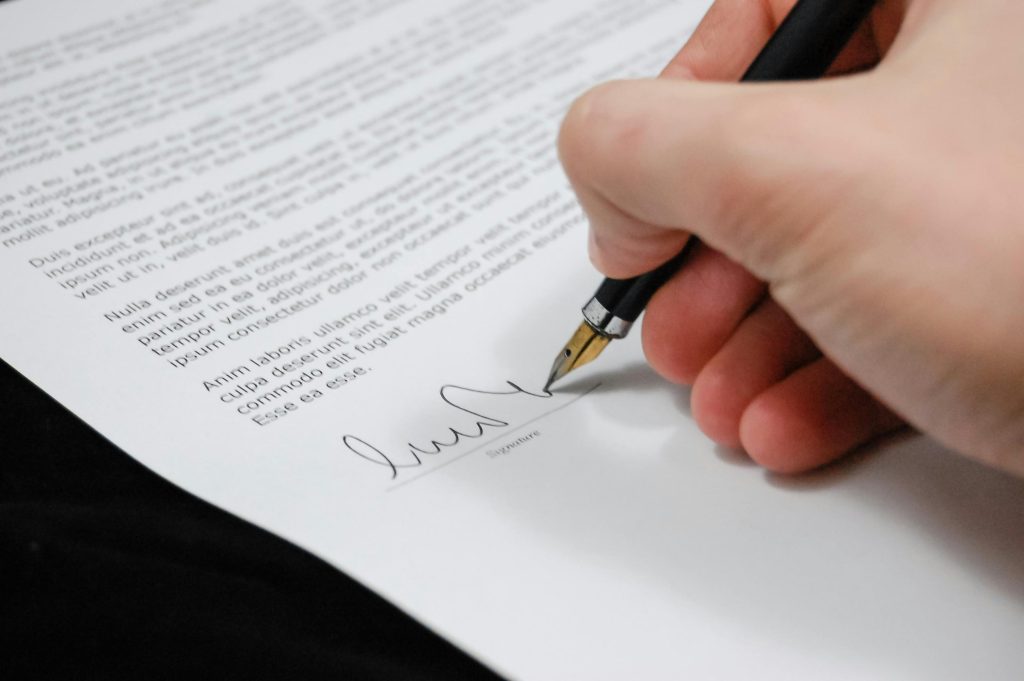
When you buy or sell a home, a handover agreement (overtagelsesaftale) is essential for both parties. This agreement sets out the terms and conditions that apply to the change of ownership and ensures that both buyer and seller have clear expectations. A well-drafted agreement can prevent many of the common challenges that arise in property transactions.
For buyers, the agreement provides assurance that all the necessary documents are in place before the handover. This means not only peace of mind but also protection against unexpected costs, such as repairs or fees, that may arise after moving in.
For sellers, it is just as important to get the details of a handover agreement right. It protects against claims from the buyer after the sale and ensures payment on time. If something goes wrong without a clear agreement, both parties risk financial losses – often running to several thousand kroner.
A thorough handover agreement helps avoid misunderstandings by clearly setting out each party’s responsibilities and deadlines. Without this clarity, small mistakes can quickly grow into bigger conflicts.
By investing time in drawing up a detailed handover agreement, you protect yourself against unnecessary problems later in the process.
How to draw up a handover agreement
When you draw up a handover agreement, it is important to follow a few clear steps to make sure nothing is overlooked. Start by gathering the necessary documents:
- Property documents: This includes the title deed (skøde) and any previous agreements or easements.
- Reports: The condition report (tilstandsrapport) and the energy label should be ready for review.
- Financing papers: Make sure the loan documents and any related financing are in order.
Once you have gathered the documents, you can start negotiating the terms of the agreement. Both parties need to agree on the price, the payment terms and any repairs or improvements to be carried out before the handover. Communication is key here – make sure every aspect is discussed thoroughly.
Once you have agreed on the terms, it is time to draw up the agreement itself. Follow these steps:
- Set out the parties’ details: Start with the names of the buyer and the seller and their contact details.
- Describe the property: State the property’s address and the relevant information from the property documents.
- State the agreed terms: Write down the final sale price and the payment terms.
- Set deadlines: Note the dates for payments and moving, and the deadline for meeting conditions such as repairs.
- Include any extra conditions: If there are further arrangements, such as amounts withheld or maintenance before the handover, include them here.
- Signature section: Leave room for the signatures of both buyer and seller – this is what makes the agreement legally binding once it has been signed.
A well-structured handover agreement gives you peace of mind throughout the home-buying process by clearly defining responsibilities and expectations between the parties involved.
Key elements of the handover agreement
A handover agreement should contain several key elements to protect both buyer and seller. One of the most important is the payment terms, which describe how and when payment is to be made. For example, it may be agreed that a deposit is paid when the agreement is signed, while the rest of the amount is transferred on the handover date itself.
Another central point is setting deadlines. This could be the date for payment or the deadline for any repairs to be carried out before the change of ownership. By clearly defining these deadlines, you avoid misunderstandings and ensure a smooth transition.
The date of the change of ownership should also be clearly stated in the agreement. This date marks the official point at which responsibility for the home passes from the seller to the buyer. It is important that this is stated precisely, so that both parties know exactly when responsibility is taken over.
The agreement should also include information about any repairs or improvements needed before the handover. This ensures transparency about the condition of the home and prevents unpleasant surprises later on.
Finally, do not forget the contact details of everyone involved, along with their signatures confirming the content of the agreement. This makes the document legally binding and gives both parties certainty about the terms it sets out.
Change of ownership and handover terms
When you are facing a change of ownership in a property sale, it is important to understand the rights and obligations of everyone involved. The change of ownership marks the official point at which responsibility for the property passes from the seller to the buyer. To ensure a smooth transition, clear handover terms should be in place.
As the buyer, you have the right to access all relevant information about the home before the change of ownership. This includes:
- The condition report: Makes sure you know the condition of the home.
- Energy label: Helps you assess the energy consumption.
- Any easements or agreements: Inform you of any restrictions or obligations on the property.
The seller’s duty is to provide these documents and to make sure that any agreed repairs or improvements are carried out by the deadline set. This ensures the home is ready to move into without unexpected problems.
The handover terms should also define specific aspects of the sale, such as payment terms and deadlines for handing over the keys. Buyer and seller should both agree on:
- The payment schedule: When the deposit and the final payment are to be made.
- Key handover: The exact date and time when the keys are handed over.
- Maintenance: Any responsibility for maintenance up until the handover.
Before the change of ownership itself takes place, it is crucial to check the following points:
- All the conditions in the purchase agreement (købsaftale) have been met by both parties.
- Your bank or lawyer has the documentation for the payments ready.
- Any necessary repairs or improvements have been carried out as agreed.
- The insurance on the property takes effect on the handover date, so that you avoid any gaps in cover.
If problems arise along the way, they can often be resolved through dialogue between the parties – perhaps with help from estate agents or legal advisers if necessary.
Seller’s and buyer’s rights
In a property sale, it is important to know the rights of both seller and buyer to avoid misunderstandings. Here is what you need to know:
The buyer’s rights:
As the buyer, you are entitled to receive the property in the agreed condition on the handover date. If the home does not live up to the conditions described in the agreement, you may be entitled to compensation or, in certain circumstances, even to cancel the purchase. You also have the right to complain about hidden faults or defects that were not disclosed at the time of the sale. Make sure all such matters are thoroughly documented before the handover.
In addition, you have what is known as a “right of withdrawal” (fortrydelsesret). This gives you a short period after signing the purchase agreement in which to pull out of the purchase for a small fee.
The seller’s rights:
As the seller, you are entitled to payment as set out in the purchase agreement. This includes any deposit and the remaining balance on the agreed dates. You can require payment before the keys are handed over, keeping yourself financially protected until the full amount has been received.
If the buyer makes a claim based on faults that were clearly explained or acknowledged before the sale (for example in a condition report), you are in a strong position legally. The seller also has rights regarding the burden of proof – that is, the right to present documentation that supports the advertised condition of the home.
Tips for avoiding disputes
Navigating a home purchase can be complex, and it is important to minimise the risk of conflict. Here are some practical tips for avoiding disputes between buyer and seller.
Good communication:
- Keep the dialogue with the other party clear and open from the start. This can help clear up misunderstandings before they turn into bigger problems.
- Use clear written agreements rather than verbal ones, as this ensures every decision is documented.
Bring in professional advisers:
- Use an estate agent or a lawyer who can guide you through the legal side of the sale, so that both parties are well informed about their rights and obligations.
- Use experts such as building surveyors to assess the condition of the home. This helps identify potential problems early in the process.
Be thorough when inspecting the home:
- Insist on a comprehensive inspection for hidden faults or defects before the purchase is completed. This will reduce the risk of unpleasant surprises later.
Examples of common disputes:
- Hidden faults: Conflicts often arise when problems that were not mentioned during the sale are discovered after the handover date. Avoid them through thorough homework and documentation along the way.
- Disagreement over who owns fixtures and fittings: Set out exactly what comes with the sale (e.g. white goods) in a detailed list in the purchase agreement.
- Missed deadlines: For example, late payments or repairs – make sure realistic deadlines are set from the start, together with the consequences if they are exceeded.
- Financing problems on the buyer’s side: These can lead to cancellations late in the process, so always make sure financing is pre-approved before bidding starts.
A guide to the handover date and practical considerations
Choosing the right handover date is crucial for a smooth property sale. The date marks the moment the property officially changes hands, so both the financial and the logistical aspects need careful consideration.
Financial considerations: When choosing a handover date, you should take your financial situation into account. Make sure all your financing is in place so there are no delays with the payments. It can be a good idea to plan the date just after payday or after you receive other income, so that you have funds available.
Also consider the tax implications; depending on your personal circumstances, it can sometimes pay to move the change of ownership into a new financial year.
Logistical considerations: Logistics play an important part in choosing the handover date. Think about the timing of the move and any renovations. Are there holiday periods or public holidays that could affect them? It is wise to avoid dates close to weekends or holidays, as many services, such as removal firms, may have limited availability.
You also need to coordinate with both parties’ schedules to find a time that suits everyone as well as possible.
Preparing for the handover itself: Good communication between buyer and seller is the key to planning the handover successfully. Start with clear agreements on exactly what will happen on the day – such as when the keys will be handed over and which documents need to be signed.
It is important to secure access to the property before the official date if possible – this allows for a final inspection visit or cleaning before you move in.
Also plan how any unforeseen problems can be dealt with quickly (e.g. missing payments). Have contact details ready for the relevant people, such as bank advisers or lawyers, if needed.
Handing over a home step by step
When a home is about to change hands, it is important to know the steps that ensure a smooth process. Follow this guide, from entering into the agreement to handing over the keys:
- Agreeing the purchase: Once you and the seller have agreed on the purchase, you both need to sign the purchase agreement. This document contains all the details of the sale.
- Financing in place: Make sure your financing has been finally approved by the bank or your mortgage credit institution (realkreditinstitut). This may involve loan papers or proof of financing.
- Change-of-ownership insurance: Consider taking out this insurance (ejerskifteforsikring) to protect yourself against unexpected costs arising from hidden defects in the home.
- Registering the deed: Once the agreement has been signed, the deed must be registered electronically with Tinglysningsretten (the Danish Land Registration Court) to make the change of ownership official.
- Payments and deposit: Transfer the deposit and any other amounts to the seller’s account by the deadlines in the purchase agreement.
- Final approval: The authorities and the institutions involved give their final approval of the financial and legal aspects of the sale.
- As the handover date approaches: Plan the move carefully, along with an inspection of the home before the official moving-in date.
- Key handover and final settlement:
On the handover date itself, the keys are formally handed over, often together with a final settlement between the parties covering, for example, meter readings (electricity/water/heating). - Any unforeseen problems: Have backup plans ready in case problems arise with payments or there are delays in the process – contact the relevant people straight away if necessary.
Details of the purchase agreement
When you enter into a purchase agreement to buy a home, it is important to understand the different elements that make up the agreement. These details can matter a great deal to both buyer and seller.
Payment terms:
One of the most important parts of the purchase agreement is the payment terms. These set out how and when payments are to be made, including the deposit, the remaining balance and any financing conditions. One example could be a term stating that the full amount must be paid before the handover date. If this is not met, the sale may be cancelled.
Property valuations:
The purchase agreement should also contain information about property valuations. This gives both parties a shared understanding of the home’s value at the time of purchase. A clause on this can stipulate that the price will be adjusted if the valuation turns out to be significantly different from what was expected.
Clarifying property-related costs:
The agreement should make clear who bears which costs relating to the property – such as insurance, taxes or renovation work before the handover takes place. A lack of clarity here can lead to disagreements later on.
Examples of possible clauses:
Some purchase agreements include specific clauses, such as “sold as seen” conditions or requirements for the home to be put in good repair before the sale is completed. The consequence of such clauses is often fewer options for making a claim after the handover.
Always go through every aspect with a legal adviser before signing, for the best possible protection against challenges further down the line.
Leave a comment