
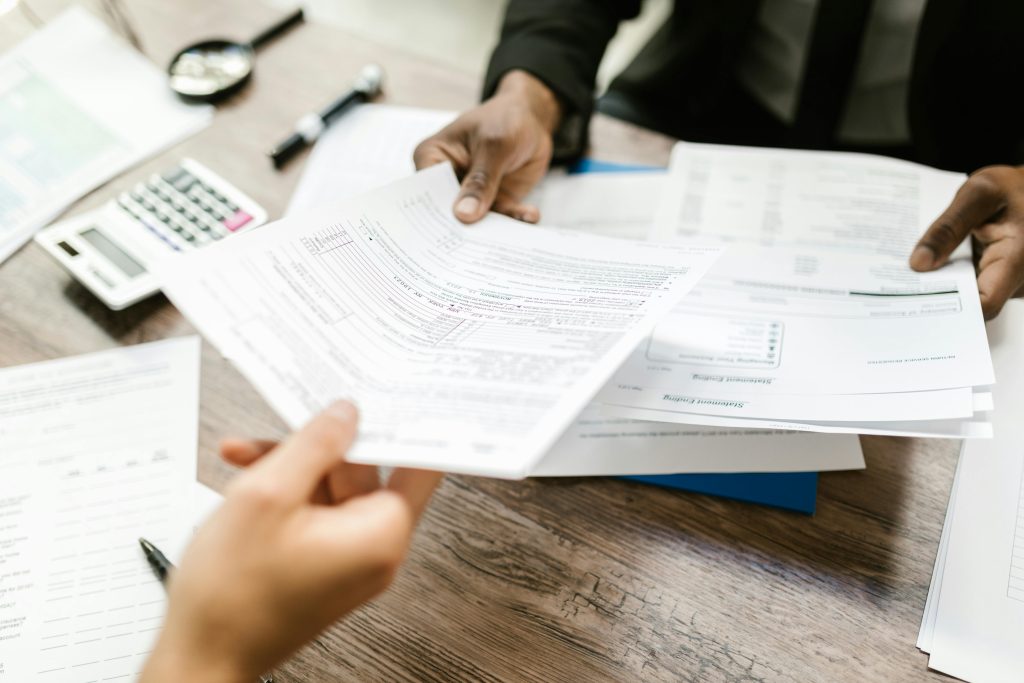
Imagine you have finally found your dream home and are ready to sign the purchase agreement (købsaftale). But suddenly unexpected expenses crop up that you had not counted on. For many home buyers, the hidden costs of a property purchase can come as a shock.
It is important to know about these extra expenses to avoid financial surprises, as they can quickly add up and affect your overall budget. You may find there are fees for tinglysning (registration of title), change-of-ownership insurance or necessary renovations that you had not even considered at the outset.
This guide will give you an insight into the various hidden costs of buying a home and help you navigate them without any trouble. By understanding which expenses can pop up along the way, you will be better prepared for your own purchase and spared unnecessary worry.
Understand the hidden costs of your home purchase
When you buy a home, it is not just the price of the house or flat itself that you need to think about. Hidden costs can quickly creep in and affect your budget more than expected.
What are hidden costs? Hidden costs are the expenses in a property purchase that are not always obvious at first glance. They can take many buyers by surprise and make financial planning more complicated.
Here are some common examples:
- Registration fees: When ownership of the property is officially transferred to you, this must be recorded in the land register (tingbogen). That involves a fee for registering the title.
- Change-of-ownership insurance: This insurance protects you against unforeseen faults or defects in the property after the handover. It can be tempting to save on this expense, but that can prove costly later.
- Property tax: When you own property, there are taxes to pay every year based on its value. These taxes vary depending on the location and size of your home.
It is important to allow for these hidden costs from the start to avoid unpleasant surprises later on. By keeping them under control, you make sure your dream home does not become a financial burden.
How unexpected expenses can affect your home purchase
When you are in the middle of a property purchase, unexpected expenses can arise that easily put pressure on your budget. These costs tend to turn up when you least expect them and can even affect your decision to buy.
Imagine you have just been handed the keys to your new home. You are excited and ready to start a new chapter. But shortly after moving in, you suddenly discover a water leak in the basement or problems with the roof. Urgent repairs like these need quick action and often cost more than expected.
Another example could be mould that only becomes visible after a few months. Putting it right can be both time-consuming and expensive. This kind of unexpected expense can seriously disrupt your financial plans.
Preparation is key to minimising the risk in situations like these. By having a thorough inspection carried out before you buy and keeping a buffer in your budget for emergency expenses, you will be better equipped to handle financial surprises.
How to avoid extra expenses when buying a home
Buying a home is a big investment, and it is important to be aware of the potential extra expenses that can arise. Here are some practical tips on how to keep these costs to a minimum:
1. Compare quotes from different suppliers
When you need to choose tradespeople or other service providers for your new home, always get several quotes. By comparing prices and services, you secure the best deal and avoid unnecessarily high bills.
2. Research the market thoroughly
Before you make major purchases or sign contracts in connection with buying your house, you should do extensive research. This applies to both renovation projects and insurance. Having a good overview of market prices helps you make informed decisions.
3. Get a detailed inspection report
Have a professional building inspection carried out before you buy to uncover potential problems such as damp or structural damage. A report like this can save you a lot of money in the long run by giving you the chance to renegotiate the price or plan necessary repairs.
By following these steps, you can effectively keep the extra expenses down and gain better control over your finances during the purchase.
The most common first-time buyer mistakes
When you buy your first home, there are several pitfalls that can lead to unexpected expenses. Here are some of the typical mistakes and how to avoid them:
1. Failing to plan a budget
Many first-time buyers underestimate the total cost of buying a home. On top of the price of the property itself, there are registration fees, insurance and maintenance costs. Draw up a detailed budget to allow for these extra expenses.
2. Not having a thorough enough inspection
It is tempting to skip the inspection to save money, but that can quickly lead to unexpected repairs after you move in. Always make sure a professional building inspection is carried out before you buy.
3. Overestimating what you can afford
Borrowing more than you can realistically repay each month can cause financial stress and a risk of defaulting on your loans. Be honest about your financial means and stay within a sustainable budget.
4. Ignoring local market trends
First-time buyers often overlook the importance of how prices in the area develop over time, which can affect the home’s resale value later on. Look thoroughly into the area’s future development plans and current market trends.
By being aware of these missteps, you protect yourself against many of the unexpected expenses that could otherwise have put your home purchase under unnecessary pressure.
Legal pitfalls when buying a home: what do you need to know?
When you buy a home, there may be legal aspects that lead to hidden costs. Here are some areas where unexpected contract terms can come into play:
1. The terms of the purchase agreement
It is crucial to understand all the terms of the purchase agreement, as unclear or complex provisions can lead to extra expenses. For example, there may be conditions concerning the handover date or requirements for specific renovations before the handover.
Imagine you have signed an agreement without noticing a clause requiring a mandatory roof repair before the handover. This could mean considerable expense and delay the move itself.
2. Easements and encumbrances on the property
Easements (servitutter) can be restrictions or obligations attached to the property that are often overlooked when buying. They can affect how you use your property or require you to maintain shared areas.
A typical situation could be discovering an easement that requires you to maintain a private road, which you did not know about in advance. That costs you both time and money.
3. Missing approvals
Make sure you check all the necessary building permits and approvals for alterations previously made to the property. Unauthorised alterations can result in fines or a requirement to restore the property to its original state.
If it turns out that the previous owner has built illegal extensions without permission from the municipality, you are left with the responsibility for legalising them – something that can quickly spiral in cost.
By focusing on these legal aspects, you avoid many potential pitfalls in your home purchase.
Make a realistic budget plan as a home buyer
When you are about to buy a home, it is important to have a firm grip on your finances. A realistic budget can help you get an overview of both fixed and extra expenses. Here are some steps for putting together a comprehensive plan:
1. Analysing your income and expenses
Start by getting a clear picture of your monthly income. Include all sources, such as salary, bonuses or any rental income.
Next, map out your fixed expenses such as rent or loan payments, insurance and transport costs. This will give you an idea of how much you have available for buying a home.
2. Set money aside for unexpected costs
It is wise to put a buffer aside for unforeseen events such as repairs, maintenance or sudden changes in your finances.
Say you have set aside 10% of your total budget for this purpose; that can cover everything from minor repairs to bigger surprises without causing stress.
3. Building a basic budget
Picture this simple breakdown: first, write your monthly income at the top of the page.
Then subtract your known fixed expenses from the total. Next, deduct your variable expenses – things like food and entertainment – from what remains. Finally, make sure you always have an amount left over that is set aside for the extra expenses we discussed earlier.
By following these steps systematically, you not only keep control of your finances but also gain peace of mind throughout the purchase.
How to get a clear overview of your finances when buying a home
When you are about to buy a home, it is important to have your finances in order to avoid hidden costs. The first step is to get a clear overview of your financial situation.
Start with a thorough review of your income and expenses. You can do this with budgeting tools that help you identify both fixed costs and variable spending. By systematically recording every single item, you get a solid foundation for further planning.
It can be a good idea to use digital budgeting apps or spreadsheets to keep track of your money. These tools make it easier to visualise your cash flow and spot any discrepancies in your budget.
Another important part of the process is assessing the hidden costs of buying a home. These can include unexpected repairs, registration fees or insurance premiums, which are not always clear at first.
For better insight, you can consult a financial adviser or an estate agent with experience of these items. They can help you make realistic estimates of potential extra expenses and suggest ways of handling them effectively.
By actively drawing on a range of resources and tools, you protect yourself against unpleasant surprises during your home purchase.
Negotiating the best price for your home
When you buy a home, negotiation can be the key to reducing the hidden costs. Here are some techniques that can help you get the most out of your purchase:
1. Be well informed
Make sure you know the current state of the market and the prices in the area. This gives you a solid basis for negotiation and the chance to identify any hidden costs.
2. Use known costs as leverage
If you have discovered potential extra costs with the home, such as necessary repairs or improvements, use them actively in your arguments. If the roof needs renovating, this can be used to justify a lower price.
3. Offer flexible terms
By being flexible about the handover date or other conditions, you can build goodwill with the seller and perhaps get a better price – which in turn reduces the risk of hidden costs later on.
4. Keep your emotions in check
It is important to keep a cool head during the negotiations and focus on facts rather than feelings. By not getting carried away with excitement, you avoid hasty decisions that could lead to unexpected expenses.
By using these tactics consistently, you can not only secure the right price but also minimise the risk of unpleasant financial surprises.
Understanding important documents and agreements when buying a home
When you buy a home, you will come across many important documents and agreements. Understanding these papers is crucial to avoiding hidden costs later.
The purchase agreement
This document contains all the terms and conditions of your home purchase. Here you will find details such as the handover date, the price and any reservations. Always read it with a fine-tooth comb – a lack of attention can lead to unexpected expenses. For example, there may be requirements for repairs before the handover.
The sales brochure
A sales brochure (salgsopstilling) gives you an overview of the home’s condition and facilities. It also describes the property’s finances, such as shared costs or renovation projects planned by the owners’ association. Keep an eye out for items that could point to future expenses – they may be a sign that improvements are needed.
The title registration document
This is a formal registration with the authorities through which the transfer of ownership is legally recognised. The registration fee can lurk here as a hidden cost, so pay attention to the amounts that have to be paid in this connection.
The BBR notice (Bygnings- og Boligregistret, the Danish building and housing register)
This report contains information about the building’s floor area, use, installations and so on. Discrepancies here can result in fines or demands from the municipality after the purchase, so always check the information thoroughly for errors.
By going through these documents carefully, you not only make sure the information is correct but also protect yourself against potential financial pitfalls.
How to read the sales brochure correctly
When you have a sales brochure in your hand, it can be tempting just to skim through it. But to avoid hidden costs, you should take the time to go through each point thoroughly.
Start with the property’s finances
Here you will find information about shared costs, planned renovations and maintenance work. These items can quickly turn into hidden costs if they are not budgeted for from the start. So always check the amounts stated and ask about any adjustments or future increases.
Examine the home’s condition and facilities
The sales brochure often includes a description of the home’s current condition and existing installations such as heating or ventilation systems. Look for signs of necessary repairs that could lead to unexpected expenses later on.
Read the handover terms carefully
The handover terms may include requirements for specific repairs or changes before the purchase is completed. Not paying attention here could result in extra costs after the sale has gone through. Make sure you understand all the conditions before you sign.
Look for notes on the energy label and environmental conditions
These sections give insight into the home’s energy efficiency and potential environmental challenges. A poor energy label can mean higher heating bills – yet another example of hidden costs you need to allow for.
By following these steps systematically, you get a clear picture of both the visible expenses and the possible hidden costs of your future home.
Warning signs of an unfavourable purchase agreement
When you are faced with a purchase agreement, there are several warning signs that may point to hidden costs or unfair terms. Here are some of the most common signals to look out for:
Unclear terms
If the agreement contains vague wording or ambiguities about responsibilities and obligations, it may be a sign of possible hidden costs. Always make sure the exact details are clarified.
Lack of guarantees
A purchase agreement without guarantees can expose you to the risk of unexpected repairs or improvements. It is important to secure written guarantees from the seller as far as possible.
Overlooked clauses
Sometimes the most critical points are hidden in small footnotes or long sections of legal jargon. Take the time to read the whole document thoroughly and ask about anything that seems ambiguous.
The importance of professional advice cannot be overstated. An experienced lawyer or estate agent can help you navigate these complex documents and identify potential pitfalls.
Analysing the terms critically lets you read between the lines and avoid getting caught in an unfavourable situation later on. Always remember that even if something looks good at first glance, there may be surprises hiding behind the facade.
Errors in the BBR: how to correct them
When there are errors in the Danish building and housing register, Bygnings- og Boligregistret (BBR), they can lead to unexpected problems and extra costs for home buyers. These errors can range from inaccurate information about the home’s floor area to incorrect descriptions of its installations.
How to identify the errors
The first step is to go through your BBR notice carefully. Compare the information given with the actual condition of the property. Check the floor areas in particular, as incorrect figures can affect the purchase price or the property tax.
Common sources of error
Typical sources of error include misleading information about the size of the building, unregistered renovations or alterations, and incorrect description codes for installations such as electricity and heating.
Contacting the authorities
If you discover an error, contact the municipality in writing with documentation that supports your request for a correction. This could be photos, floor plans or previous correspondence about changes to the property.
Unforeseen consequences such as higher tax demands or a lower sale price can be avoided by identifying and correcting these errors in good time. Dealing with BBR errors early ensures a smoother property purchase without hidden financial surprises.
Leave a comment