
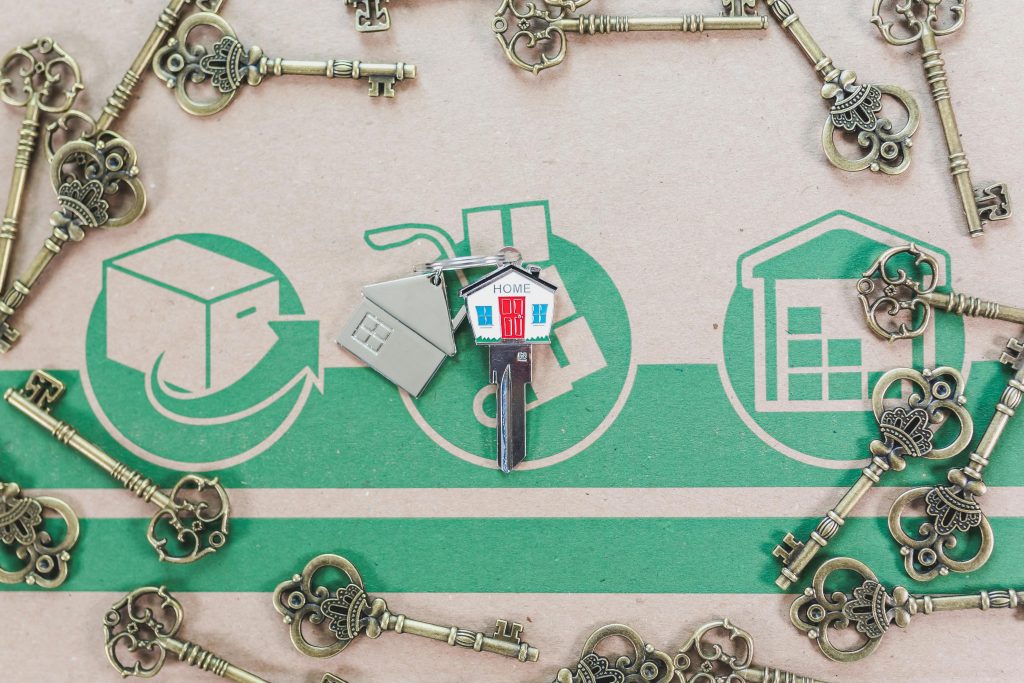
How to sell your home yourself: a complete guide to selling privately
Selling your home yourself can be an attractive option for many homeowners who want to save money on estate agents’ fees and have full control over the sale. First and foremost, it is important to understand that selling privately requires thorough preparation and knowledge of the market. One of the first tasks is to assess what your home is worth. You can do this by looking at the prices of similar homes in the area, consulting a valuer or using online valuation tools. Once you have settled on a realistic price, the next step is to get your home ready for sale. This often involves minor repairs, some painting and a general tidy-up to make the home more inviting to potential buyers.
Marketing is crucial in a private sale. As you do not have an estate agent to handle the marketing, it is important to make effective use of the platforms available. Online property portals, social media and local newspapers can be good places to start. High-quality photos and a well-written description of the home can make a big difference in attracting buyers’ interest. It is also a good idea to prepare for viewings. A tidy, presentable home where every room shows its full potential can be what makes the difference for a buyer.
Finally, you need to be aware of the legal aspects of selling a home. These include preparing the købsaftale (purchase agreement), the energy label, the tilstandsrapport (condition report) and the elinstallationsrapport (electrical installation report). Having a lawyer or a property adviser on the sidelines can be a good investment to make sure all documents are filled in correctly and that the sale complies with the law. Selling a home yourself takes time, energy and knowledge, but with the right preparation and attention to detail it can be a rewarding and financially worthwhile option.
Avoid common mistakes when selling privately
When you choose to sell your home yourself, there are several common mistakes to watch out for if you want to avoid costly errors and delays in the sale. One of the most typical is putting the wrong price on your home. Many homeowners tend to overestimate the value of their own property, which can result in an unrealistically high asking price. This can scare off potential buyers and leave your home on the market for longer than necessary. Conversely, a price that is too low can mean missing out on potential income. That is why it is important to carry out a thorough market analysis and perhaps get a professional valuation.
It is also important to be aware of the legal aspects of selling a home. A lack of understanding of the documents and requirements involved, such as the energy label, condition report and purchase agreement, can lead to delays and, in the worst case, legal problems. Making sure all documents are correct and submitted on time is essential for a smooth sale. It can be worth consulting a property lawyer or another expert to make sure everything is done by the book. By being aware of these common mistakes, you can increase your chances of a successful private sale.
How to find the right price for your home in a private sale
Setting the right price for your home is one of the most critical factors in a successful private sale. The price must reflect the true market value while attracting potential buyers rather than scaring them off. An accurate valuation starts with a thorough market analysis. It is important to look at the prices of comparable homes in your local area, also known as “comps” (comparables). These are homes that have recently sold or are for sale and that share similar characteristics with your home in terms of size, condition, location and amenities. Looking at several comps can give you a good sense of what the market expects and what potential buyers are willing to pay.
As well as looking at comparable sales, you can also use online valuation services, which offer automated pricing tools based on the data available. Although these tools can be useful as a starting point, it is important to understand that they do not always take account of unique circumstances that can affect your home’s value, such as its condition, the view, special upgrades or changes in the neighbourhood. A personal valuation from an experienced estate agent or valuer can therefore be a valuable investment to get a more accurate price assessment.
Another important factor to consider is market trends. If the market is growing, it can pay to price a little higher to allow for rising prices. Conversely, if the market is heading downwards, you should be realistic and perhaps set a more competitive price to attract buyers quickly. It is also important to allow for seasonal variations; some times of year, such as spring, can be better for selling than others.
Finally, you should be open to adjusting the price along the way. If your home has been on the market for some time without attracting interest, you may need to reassess the price and consider lowering it. Pay attention to feedback from potential buyers and adjust your strategy accordingly. The most important thing is to be flexible and realistic, so you strike the right balance between achieving a good price and securing a quick sale. By taking these steps, you can increase your chances of finding the right price for your home in a private sale.
Get a free valuation from estate agents
Getting a free valuation from an estate agent can be a smart strategy, even if you plan to sell your home privately. Many estate agents offer a free valuation as part of their service to attract potential clients. Even if you do not intend to use their full services, the valuation can give you valuable insight into your home’s current market value and the factors that may affect how it is priced. An estate agent has the expertise and experience to analyse market trends, compare similar homes in the area and take account of any special features of your home that may influence the price.
When you get a free valuation, you also have the chance to hear the estate agent’s view on which improvements or changes could increase your home’s value further. These can range from minor cosmetic updates to more extensive renovations. Getting a professional view on these aspects can help you make well-informed decisions about whether it is worth making improvements before the sale.
Another advantage of getting a free valuation is that you can compare several estate agents’ valuations. It is not unusual for different estate agents to give different valuations based on their individual understanding of the market and their experience. By getting several valuations, you can form a more nuanced picture of what a realistic price for your home is. It also gives you a stronger basis for pricing your home correctly in a private sale.
It is important to be open with the estate agent about your intentions if you do not plan to use their full services. Some estate agents may still be willing to give you a valuation in the hope that you will recommend them to others, or perhaps choose their services after all later in the process. Remember that a free valuation does not commit you to anything, and it can be a valuable tool in your arsenal when you are trying to sell your home yourself. It gives you a professional perspective at no cost, which can help you make the best decisions in your private sale.
How to draw up a legally valid, secure purchase agreement
Drawing up a legally valid, secure purchase agreement is one of the most important tasks in a private home sale. A properly drafted purchase agreement ensures that both seller and buyer are legally protected and that all the terms and conditions of the agreement are clearly defined. First and foremost, it is important to understand that a purchase agreement is a legal document that must meet a number of specific requirements to be valid. The agreement must include details such as the property’s address, the sale price, the payment terms, the handover date and any conditions the buyer or seller wants included. To make sure all these elements are correctly included and worded, it can be a good idea to use a standard purchase agreement, which is usually available from a lawyer or on the website of the Danish estate agents’ association.
When you draw up a purchase agreement yourself, it is important to pay particular attention to any conditions. Conditions can be anything from the buyer needing to sell their own home first to financing approval or a satisfactory condition report and electrical installation report. These conditions must be clearly defined in the agreement to avoid misunderstandings and to make sure both parties agree on what must be fulfilled before the sale can go through. Missing conditions or unclear wording can lead to disputes later in the process, which can be both time-consuming and costly.
To further ensure that the purchase agreement is legally valid and to protect your interests, it is strongly recommended that you consult a property lawyer or another legal expert. A lawyer can help review the agreement, make sure all the necessary clauses and documents are in place, and identify any risks you may not have considered. Although this may mean an extra cost, it is a small price to pay to avoid potential legal problems in the future.
Finally, you should make sure the purchase agreement is signed correctly by both parties and any co-signatories, such as co-owners. The purchase agreement must be dated, and several copies should be made so that both buyer and seller have an original signed copy. It is also a good idea to keep a digital version of the agreement for easy access and reference. By following these steps and making sure the purchase agreement is thoroughly reviewed and correctly drafted, you can complete the private sale of your home safely and with peace of mind.
How to transfer ownership legally: a guide to registration of title
When you sell your home privately, tinglysning (registration of title) is an unavoidable part of the process that ensures ownership is transferred legally and correctly to the new owner. Tinglysning is the formal registration of ownership in Tingbogen, the official Danish land register. This process ensures that the buyer has legal ownership of the home and that the property is registered free of any encumbrances or claims from previous owners. Understanding the registration process is essential to avoid mistakes that could delay the sale or lead to legal complications.
First and foremost, you need to make sure all the relevant documents are in order. These include the signed purchase agreement, which clearly sets out all the terms of the agreement, and a skøde (title deed), the document that formally transfers ownership from seller to buyer. The deed must include information such as the property’s address, its cadastral number (matrikelnummer), the purchase price and any easements registered on the property. It is important to fill in the deed correctly and make sure all the information is accurate, as errors can result in delays or the registration being refused.
Once the deed has been drawn up, it must be signed digitally by both buyer and seller with NemID or MitID, as registration of title in Denmark is done digitally via the online platform of Tinglysningsretten (the Danish Land Registration Court). The deed is then submitted to Tinglysningsretten, where it is checked to make sure all requirements are met. The registration only becomes final once the registration fee has been paid. The fee consists of a fixed charge plus a percentage of the purchase price. It is important to be aware of these costs, as they must be paid as part of the registration process.
Another important part of the registration process is making sure that any existing loans or encumbrances on the property are paid off or transferred correctly. This often requires cooperation with both the buyer’s and the seller’s banks to make sure all debt is repaid, or that the mortgage on the property passes to the buyer’s lender. A property lawyer or conveyancer can often help with this part of the process and make sure everything runs smoothly.
Finally, once the registration is complete, both buyer and seller will receive a digital confirmation from Tinglysningsretten. This confirmation serves as proof that ownership has now officially passed to the new owner and that the registration has been completed correctly. By following these steps and making sure all the necessary documents and payments are in order, you can ensure a lawful, trouble-free transfer of ownership when you sell your home privately.
Leave a comment