
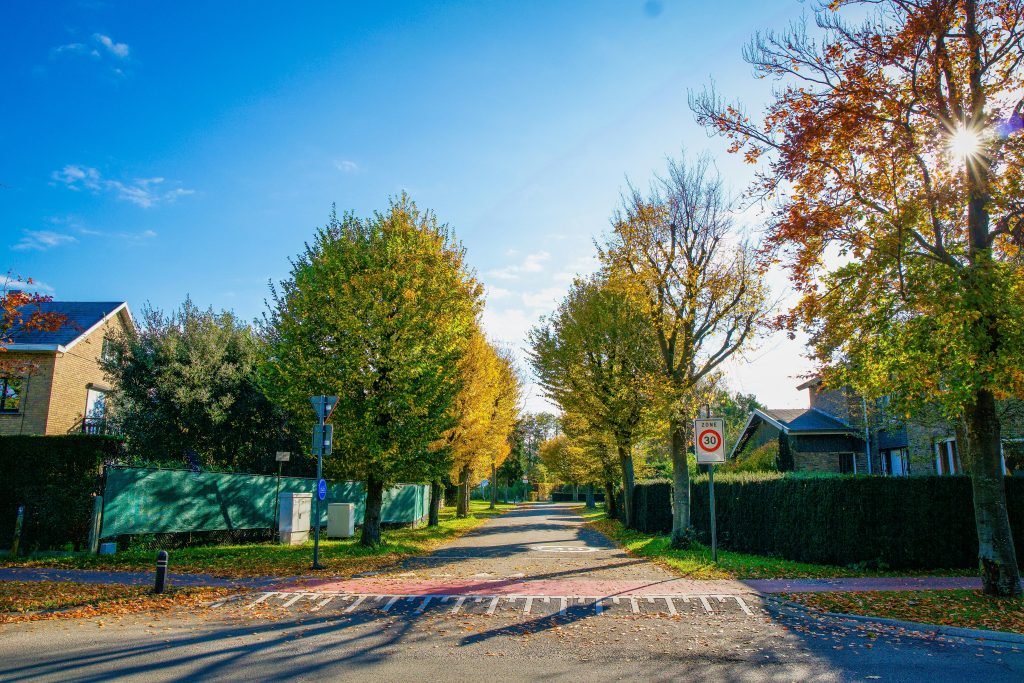
A private shared road (privat fællesvej) is a road shared by several properties, often used as a practical solution for homeowners who live close to one another. By establishing such a road, you can improve access to your properties and achieve a more organised flow of traffic in the area. When you think about “establishing a private shared road”, it is important to understand the steps and considerations involved in the process.
Identifying the need and assessing the area
The first step in establishing the road is to assess whether it is needed. Is a shared access road really necessary? Consider the traffic to your area and the current conditions. If the road will benefit several households by making daily commuting or other transport easier, it may be worth taking the next step.
At the same time, you should look into the area’s topography and existing infrastructure. Is the ground suitable for construction? Are there obstacles such as protected areas or special environmental considerations? A thorough assessment can help you avoid problems later in the process.
Working with neighbours and reaching agreements
Once the need has been established, the next step is to work with your neighbours. It often takes dialogue to reach agreement on the plans. Be open about the benefits of the project, but also about the potential challenges.
It can be helpful to arrange meetings where everyone involved takes an active part in discussing the road solution. This is where you should agree on financing, responsibility for maintenance and any changes along the way.
The process of obtaining permits
Before work begins, the necessary permits must be obtained from the municipality. This often includes approvals relating to environmental impact and to securing access to the public road network.
Municipal requirements vary depending on local plans and other regulations in your area. You should therefore contact your local municipality early in the process for clear guidance on the application procedure.
How do you apply for a private shared road?
When you apply for a private shared road, there are several steps to go through. First and foremost, it is important to understand the municipal requirements and permits needed to get the project approved.
Responsibility for the application
It is usually the property owners who submit the application to the municipality. However, it can be an advantage to appoint one person as the contact or coordinator for the project. This person will be responsible for coordinating the work and communication with the authorities.
Documents needed for the application
You must be able to present the following documents as part of your application:
- Information on property and ownership: A detailed overview of all the properties involved, along with proof of ownership.
- Technical description of the road project: This includes drawings, measurements, choice of materials and other technical specifications for the road.
- Neighbour consultations and cooperation: Documentation of dialogue with the neighbours and of any agreements made in connection with carrying out the project.
The municipality will review this information carefully to make sure that everything complies with current legislation and guidelines.
Tips for effective preparation
To get the best possible result from your application, start your research early. Contact your local municipality as soon as the decision to build the road has been made – they can guide you through each stage of the process. Gather all the necessary information in advance: the more complete your material is from the outset, the smoother the approval procedure will be.
Rules and laws for private shared roads
When you plan a private shared road, it is essential to understand the rules and laws that apply. These provisions ensure that the road meets legal requirements as well as the practical needs of both its owners and its users.
General legislation
To establish a private shared road, you must comply with specific laws that vary depending on where the road is located. These can include regulations on construction, access and safety. The laws also ensure that the environment and surrounding buildings are taken into account.
In urban zones, further approvals may be needed because of denser development and heavier traffic. Here the municipality may impose extra requirements on the road’s construction or choice of materials to ensure durability and functionality.
Differences between urban and rural zones
Legislation can vary considerably between urban and rural zones. In urban areas there are often stricter rules on noise reduction, lighting and waste management along the roads. The municipality may, for example, require street lights to be installed, or special road surfaces to reduce the nuisance of traffic noise.
In rural zones, the rules may be more flexible when it comes to the width of the road or the type of surface, but there will still be a focus on protecting the open countryside and the area’s wildlife.
Imagine a residential area in a town: the property owners decide to establish a private shared road through their neighbourhood. They soon discover that they have to take the neighbours’ complaints about car noise into account, so they install sound-absorbing fencing along the road as part of the municipality’s requirements.
On the other hand, here is an example from the countryside: a couple of farmers want easier access between their fields via a new private road. Although fewer restrictions apply here than in town, they still have to ensure proper drainage when the road is built – something the rural municipality monitors closely.
Maintenance in urban and rural zones
When you have a private shared road, maintenance is an important task. The maintenance requirements can vary between urban and rural zones, which affects both the practical side and the costs for homeowners.
Specific requirements in urban zones
In urban areas there are often stricter maintenance rules. The municipality may have guidelines for snow clearance, repairs to the asphalt or road surface, and lighting along the road. Regular checks are typically required to make sure the road is safe and fit for purpose.
For example, the municipality may require the property owners to clear snow within a set time after a snowfall. This keeps access open in more densely built-up areas, where there is more traffic.
Requirements in rural zones
By contrast, maintenance requirements can be more flexible in rural zones. Here the focus is often on preserving the road’s natural appearance and function without extensive intervention. That does not mean you escape responsibility altogether, though: proper drainage and basic pothole repairs must still be carried out.
Here, too, the municipality may have specific requirements, for example for cutting back bushes along the roadside to ensure good visibility. In some cases, the property owners agree to share the maintenance tasks between them.
Practical consequences and costs
The different rules have practical consequences for you as a homeowner. In town, the more frequent inspections may lead to higher running costs because of requirements to respond faster to problems such as cracks or an uneven surface.
In the countryside, it may cost less, with fewer formal inspections by the municipality – but be aware: if the road’s condition is neglected, it can lead to larger one-off repair bills later on.
Duties of the property owner and the municipality
When you own a private shared road, there are certain duties that both you and the municipality must fulfil. How responsibility is divided often depends on where the road is and how it is used.
Typical division of responsibility
As a property owner, you have the main responsibility for the day-to-day maintenance of the road. This includes repairing potholes, clearing snow and generally making sure the road works as it should. The municipality typically has a supervisory role, making sure the rules are followed and giving advice when needed.
Imagine a residential area of detached houses in town: here the municipality may require more frequent inspections because of the greater volume of traffic. This means the property owners have to respond more quickly to damage or problems on the roads to keep them safe for traffic.
Rural zones are a different matter: here the municipality’s requirements may be less stringent, with fewer inspections, but that does not change your responsibility as a property owner for ongoing maintenance such as proper drainage.
Practical examples
In urban areas, the municipality will often have clear guidelines on, for example, clearing snow within set deadlines after a snowfall. This ensures free access and safety in more densely populated areas.
In the countryside, things could be different: here the property owners can agree among themselves how to share the work, without as many direct requirements from the municipality – but they are still subject to basic legislation on safety and accessibility.
Advice for property owners
To make sure your responsibilities are met effectively, you should:
- Make clear agreements between all the neighbours concerned on how the maintenance tasks are shared.
- Keep up to date with local municipal rules and any changes to them.
- Make sure the road is inspected regularly so that potential problems are spotted early.
Expected costs of a private shared road
Establishing and maintaining a private shared road can involve various costs. When you plan to build such a road, it is important to understand the potential costs that may arise. “Private shared road costs” include both the initial investment and the running costs.
Construction costs
The cost of building the road itself depends largely on its length and type. A short gravel road will generally be cheaper to build than a long asphalt road. The materials also play a part: asphalt is more expensive than gravel but needs maintenance less often.
Take an example from a residential area of detached houses in town: here asphalt is often chosen for its durability, even though it means higher initial costs than a gravel surface in the countryside.
Maintenance costs
Once the road has been built, ongoing maintenance becomes an important item in the budget. This includes repairing potholes, clearing snow and general upkeep to keep the road safe.
In urban areas, the requirements for snow clearance can be strict, with correspondingly high costs, while rural zones may face fewer such requirements – but still need drainage work or repairs to any damage.
Ongoing charges
On top of the direct maintenance costs, you also need to allow for any municipal fees or contributions to the road fund, if these apply in your area. They can vary depending on the location and on local politicians’ decisions about infrastructure contributions.
Here is an overview table of typical cost categories:
| Cost type | Example |
|---|---|
| Construction cost | Gravel road (20 m), approx. 50.000 kr |
| Asphalt road (20 m), approx. 150.000 kr | |
| Maintenance cost | Snow clearance, approx. 5.000-10.000 kr per year |
| Repairs, approx. 2-3% of the replacement value per year | |
| Ongoing fees | Municipal fee of up to several thousand kr per year |
This table gives you a concrete picture of the possible financial aspects of establishing and running your private shared road.
Can the status of a private shared road be changed?
Changing the status of a private shared road can be relevant in a number of situations. Perhaps the amount of traffic on the road has changed, or perhaps a need for better maintenance has arisen. It may also be that the municipality wants to take over the road as a public road, which often happens in connection with urban development.
Possible scenarios for a change of status
If the area around your private shared road sees more building or traffic, it may become necessary to reassess the road’s status. Another scenario could be financial: if the maintenance costs exceed what the local property owners can manage, it may be desirable for the municipality to take over the road.
Imagine a new residential area on the edge of town: here the growing number of road users can put pressure on the infrastructure and call for better facilities such as lighting and regular snow clearance. A development like this could make it relevant to reclassify the road from private to public.
Procedures and permits
To change the status of your private shared road, several procedures must be followed. First, an application to the municipality is normally required, explaining the reasons for the change and including any supporting documents from the property owners affected.
The municipality will typically carry out inspections and analyses to assess the road’s current condition and future needs. If the road is to be reclassified as a public road, investment in improvements such as asphalting or widening may also be required.
The permit process often involves consulting local residents to ensure broad support for the proposed change of status. This ensures that all relevant parties have had the chance to raise objections or questions before the decision is made.
Things to consider before starting a change
Before you decide to apply for a change of road status, you should think carefully about the long-term consequences. Will it mean higher taxes or fees? How will it affect the value of the property?
You should also consider your own wishes regarding control and responsibility: if the public authorities take over the road, you often have less say over its day-to-day running, but potentially lower personal maintenance costs.
With thorough planning and the involvement of the relevant stakeholders, the process of “changing the status of a private shared road” can hopefully run smoothly.
Leave a comment