
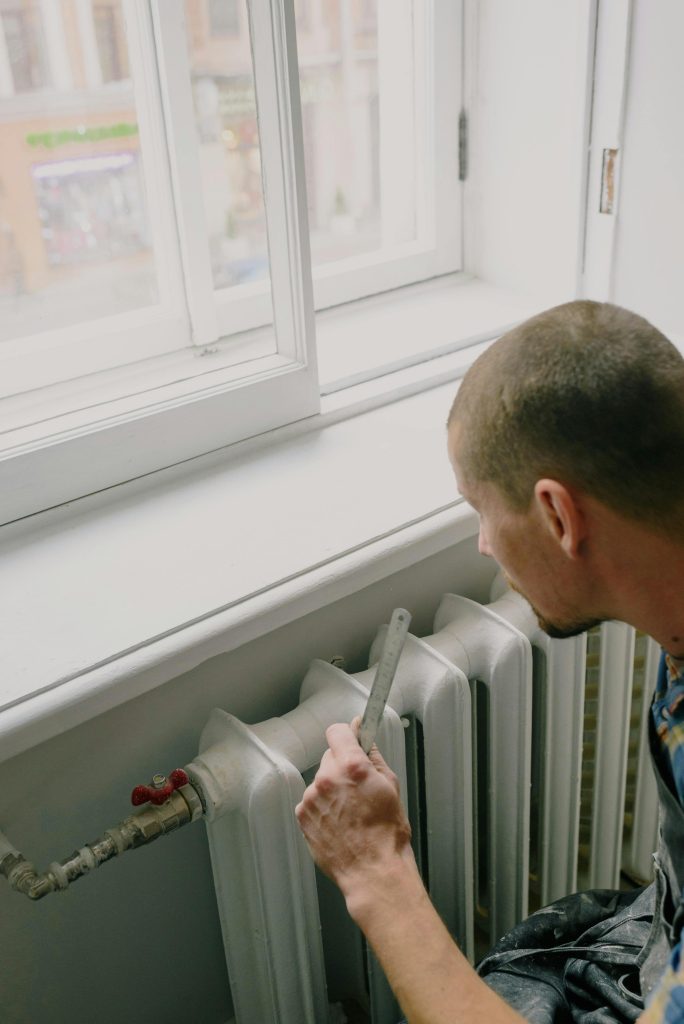
Energy renovation is about improving your home’s energy efficiency through various measures and technologies. This could include, for example, adding insulation, replacing windows or installing more efficient heating systems. It matters for homeowners and home sellers alike, because it not only reduces energy consumption but also makes the home more comfortable.
When you choose to carry out an energy renovation, you can enjoy lower heating bills and a more comfortable indoor climate. This is partly because better insulation keeps the heat in during the winter and keeps the house cool in the summer. At the same time, these improvements contribute to sustainability by reducing your home’s carbon footprint, which is good for the environment.
For home sellers, there are further incentives to invest in energy renovation. A highly energy-efficient house can be more attractive on the housing market, as many buyers look for properties with low running costs and modern solutions. This can result in a higher selling price and a quicker sale.
Financially, an energy renovation can seem like a big investment, but the long-term savings on energy costs often make it a worthwhile decision. In many cases, the increase in value can also cover the cost of the renovation over time.
All in all, energy renovation offers financial savings, greater comfort and a positive impact on the environment – something everyone living in the home can benefit from.
How to plan your energy renovation effectively
Planning an energy renovation requires thoroughness and a clear overview. First, you need to set clear goals for what you want to achieve with the renovation. Do you want to reduce energy consumption, improve the indoor climate or increase the value of your home? Once the goals are set, it is time to look at the finances. A realistic budget helps you keep track of costs and make sure there are no surprises along the way. The project’s timeframe should also be fixed from the start, so you can plan your energy renovation without unnecessary delays.
When it comes to prioritising renovation projects, it is important to assess the current condition of the house. Insulation is often a good place to start, especially if the house has old windows or poor loft insulation. Replacing an old heating system can also bring considerable savings and improvements in comfort. When planning your energy renovation, work out which areas will have the greatest effect first – both financially and in terms of comfort.
Choosing the right tradespeople and materials plays a crucial role in the success of the project. Make sure you get quotes from several different companies to secure the best price and quality. Look for professionals with experience in energy renovation; it can save you time and money in the long run. When it comes to materials, choose ones that suit both your budget and your long-term energy and climate goals – that way, you ensure an effective solution.
Which energy renovations pay off?
If you are thinking of selling your house, it can be a good idea to look into which energy renovations give the best financial return. By evaluating them carefully, you can find the measures that both increase the value of your home and reduce your energy bills.
- Insulation: One of the most effective ways to improve energy efficiency is by adding extra insulation to the loft and walls. This keeps the heat in during the winter and out during the summer. As a result, the need for heating and cooling falls significantly, which means lower energy bills. When potential buyers see a well-insulated home, they know they will also save on their future energy costs.
- Replacing windows: Old windows can leak a lot of heat, which makes them an obvious place to start with energy improvements. New double-glazed windows provide better insulation and fewer draughts in the home. This not only adds comfort but also increases the property’s market value considerably.
- Installing a heat pump: Switching to a heat pump can drastically cut energy costs compared with traditional heating methods such as oil-fired boilers or electric heating. Heat pumps are known for their efficiency and environmental friendliness – something many modern home buyers appreciate.
If you choose these renovations carefully, the question “Does energy renovation pay off?” is clearly answered – through both direct savings on your bills and a higher price when you sell the house.
Assessing the house’s current energy performance
If you want to assess how your home performs in terms of energy, thermography is an effective method. With a thermal imaging camera, you can visualise temperature differences across the surfaces in your home. This helps you identify places where heat is escaping or cold is getting in.
Thermography of your house uses infrared images to reveal energy loss. A professional survey can give you a clear picture of where action is needed to improve the insulation and, with it, the energy efficiency.
Benefits of thermography:
- Identifying insulation problems: Detects areas with poor or missing insulation.
- Detecting air leaks: Finds cracks and gaps where warm air can escape.
- Revealing cold bridges: Shows the places in the structure that conduct cold straight into the home.
- Improved comfort: Fixing the problems found ensures a more stable temperature in the house all year round.
Using thermography on your house gives you valuable insight for targeting your energy improvements, maximising both savings and comfort.
Understanding the economics of your energy renovation
When you are considering energy renovations, it is important to get a clear picture of the costs. Start with a detailed cost analysis to understand what each renovation will cost you. This can range from small sums for simple insulation jobs to larger investments such as installing solar panels or heat pumps.
The cost analysis should also take into account labour and materials, as well as any unforeseen expenses that may arise along the way. It is wise to get several quotes from different suppliers to secure the best price and quality.
Beyond the immediate costs, it is worth looking at the potential savings you can make through energy renovations. Lower energy bills are a direct benefit of improved energy efficiency. For example, adding extra insulation to the loft alone can reduce your heating bill significantly.
Installing more efficient appliances or switching to renewable energy such as solar panels also brings considerable financial gains over time. These savings not only help with day-to-day expenses but also increase the value of your home when you sell.
Another important factor in the economics of energy renovation is the payback period. This period varies depending on the type and scale of the renovation and the specific conditions in your home. In general, projects such as replacing windows and installing heat pumps have relatively short payback periods because of their big effect on energy costs.
If the financing seems daunting, there are options such as loans or public grants for energy renovations that can ease the burden and make the investment more affordable.
Energy label: why it matters for your house
An energy label (energimærke) is an assessment of your home’s energy efficiency. When you are planning to sell your house, a good energy label can make a big difference. Buyers are often interested in homes with high energy efficiency, as it means lower running costs and a smaller climate footprint. The energy label gives buyers a clear indication of the expected energy costs and potential improvements.
The energy label scale runs from A2020 to G, with A2020 representing the most energy-efficient houses. The label is determined through a thorough inspection of the house that takes into account insulation, heating systems and windows. The better optimised these elements are, the better the house’s energy label.
A good energy label can not only make your home easier to sell but also increase its market value. Homeowners should therefore understand the importance of optimising their home’s energy efficiency before selling, to secure the best possible position in the market.
Leave a comment