
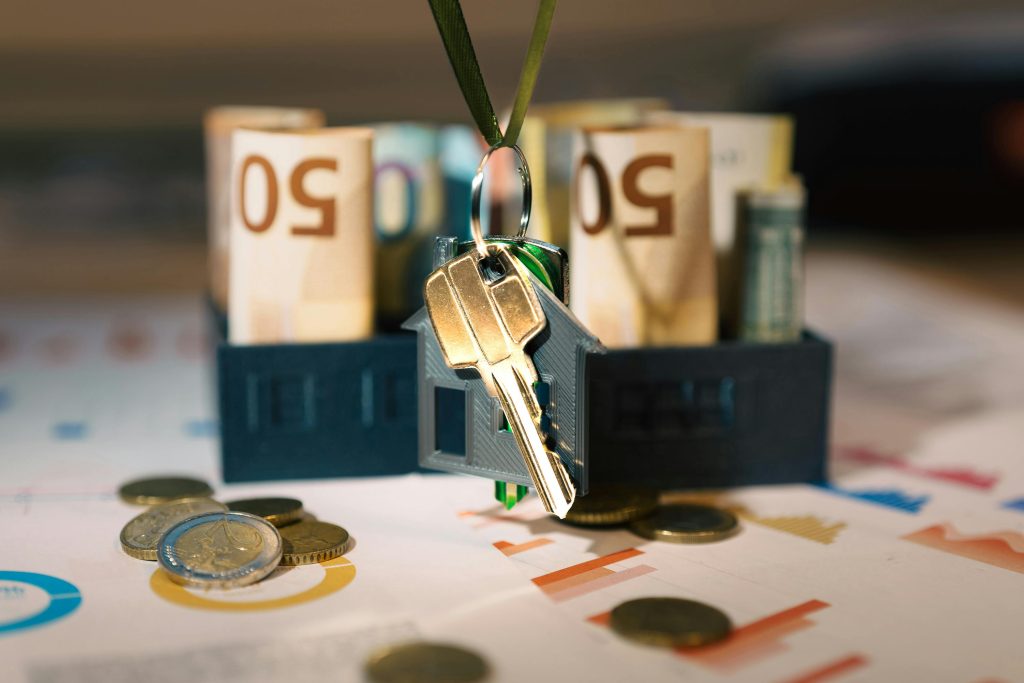
Do you dream of expanding your investment portfolio? Perhaps you have wondered whether it would be a good idea to invest in a home abroad. It is a question on the minds of many potential investors. With globalisation, the world is getting smaller and the opportunities bigger.
Buying property outside Denmark’s borders can open the door to new markets and exciting opportunities. For some, it is about diversification: by spreading your investments across national borders, you reduce the risk of depending on just one market.
Tax advantages can also come into play. Some countries offer favourable tax rules for foreign property investors, which can make your purchase even more attractive.
In the following sections, we will dive into various aspects of investing in homes abroad. We will look at interest rates in different countries, how tax and property values are affected, and important considerations when buying property outside Denmark. You will also get tips on how best to navigate this complex process.
The benefits of low interest rates abroad
When you are considering investing in a property abroad, low interest rates can be a big advantage. Here are some immediate benefits of making the most of lower interest rates:
- Lower monthly payments: With lower interest rates, your monthly loan repayments are reduced, which improves your cash flow.
- Greater borrowing capacity: Low interest rates make it possible to take out larger loans, as the total cost of the loan is lower.
- Better return on investment: You can achieve a higher net return on your investment when interest costs are kept down.
To understand when interest rates abroad are low, you need to look at several factors:
- Economic stability: Countries with stable economies often have lower and more predictable interest rates.
- Monetary stimulus: In periods when central banks use monetary stimulus to boost economic growth, this can result in lower interest rates.
- Inflation trends: Countries with inflation under control typically also have lower interest rates as part of their monetary policy.
Traditionally, countries such as Switzerland and Japan have been known for their low interest rates. These countries often offer favourable conditions for foreign investors looking to finance property purchases on attractive terms.
How interest rates are affected in different countries
When you are thinking of buying a home abroad, it is important to understand how interest rates can vary from country to country. Unlike in Denmark, where interest rates are often stable and predictable, rates abroad can be shaped by a number of factors.
Central bank policy plays a major role. If a central bank decides to cut interest rates to stimulate the economy, this will often result in lower interest rates on home loans. Inflation is also crucial: high inflation figures can lead to higher interest rates as a means of keeping the economy in check.
Some countries also have unique economic conditions or political situations that affect their interest rates. For example, a country with an unstable political situation may have higher interest rates to compensate for the increased risk of investing there.
In other words, “interest on a home abroad” does not necessarily work the same way as it does in Denmark. You should therefore always look into the specific conditions in the country you are considering investing in.
Tax and property value for a home abroad
When you own a property abroad, it is important to have a firm grip on the tax situation. Tax rules can vary considerably from country to country, and understanding them is crucial to avoid unpleasant surprises.
There are different types of tax you need to be aware of:
- Property tax: This is an annual tax based on the value of your property. Rates can vary depending on local legislation and the specific valuation of your property.
- Capital gains tax: If you decide to sell your property abroad, a tax may be charged on the gain from the sale. The rate may also depend on how long you have owned the property.
- Income tax: If you let out your home, the income from it will often be taxable in the country where the home is located.
Understanding these types of tax helps you plan your finances better and ensures that you comply with local laws. It is always a good idea to consult local experts or accountants to get clarity on your specific tax obligations.
Examples from Turkey and Spain
When you are considering investing in a property abroad, it is essential to understand the local tax rules. Both Turkey and Spain have specific rules that can affect the overall value of your property.
In Turkey, property tax is relatively low compared with many European countries. It ranges from 0,1% to 0,6%, depending on the type and location of the property. Capital gains tax on the profit from selling a property is generally 15% to 35%, but if you have owned the home for more than five years, you may be exempt from this tax.
In Spain, by contrast, property tax is typically between 0,4% and 1,1%. You also need to be aware of the so-called “Impuesto sobre la Renta de no Residentes”, the income tax for non-residents. Capital gains tax also varies from 19% to 23%, depending on the size of the gain.
Here is a simple table to help you compare the tax rates at a glance:
| Type of tax | Turkey | Spain |
|---|---|---|
| Property tax | 0,1% – 0,6% | 0,4% – 1,1% |
| Capital gains tax | Can be tax-free after five years | 19% – 23% |
| Income tax (rental) | Individual rates | Approx. 24% (for non-residents) |
Knowing these differences helps you plan your finances better and ensures that you comply with local rules. Ultimately, the different tax conditions can have a significant impact on the overall value of your investment.
How exchange rates affect property values
When you invest in a property abroad, exchange rates can play a major role in the value of your investment. An exchange rate is the price at which one currency can be exchanged for another. These rates fluctuate constantly and can either strengthen or weaken your purchasing power as a foreign investor.
If, for example, the Danish krone rises against the euro, you get more for your money when buying property in the eurozone. Conversely, a fall in the krone’s value could reduce the value of your purchase measured in Danish currency.
Consider a case study from previous years: a Danish investor bought a holiday flat in Spain for €200,000 when the rate was 7,5 DKK per euro. At the time, it cost him 1,500,000 DKK. A few years later, the rate had risen to 8 DKK per euro due to economic changes and political uncertainty. If sold, the flat would still be worth €200,000 in Spain, but that would now correspond to 1,600,000 DKK – in other words, less attractive than expected.
To minimise the negative effects of such currency fluctuations, you can consider:
- Diversification: Don’t invest all your funds in one place or in the same currency area.
- Locking in the exchange rate: Use financial instruments such as futures or options to lock in the rate at the time of purchase.
- Continuous monitoring: Keep an eye on macroeconomic factors and political events that can significantly affect exchange rates.
Calculating property value tax
Property value tax is an annual tax calculated on the basis of your property’s value. The tax can vary from country to country, but the principle behind the calculation is often the same.
To calculate the property value tax yourself, you will typically need the following information:
- The property’s assessed value: This is the official valuation, often carried out by the local authorities or an authorised valuer.
- Tax rate: Find out the applicable percentage rate for property value tax in the country or area in question.
- Any deductions or exemptions: Some countries offer tax deductions based on specific criteria, such as the type of home or the owner’s place of residence.
Let’s take an example to illustrate the process:
Imagine you have bought a flat in France with an assessed value of €300,000 and a tax rate of 0,5%.
- Start by finding the tax rate and apply that percentage to the total value of the property:[\text{Ejendomsskat} = \frac{0,5}{100} \times €300,000 = €1,500]
- If any relevant deductions apply – let’s say a possible deduction of €200 – you subtract that amount from the calculated tax:[€1,500 – €200 = €1,300]
The annual property value tax would therefore be €1,300 after the deduction. It is always wise to double-check with the local authorities to make sure the calculation is correct and that you comply with the rules.
Things to consider when buying property abroad
When you are thinking about buying property abroad, there are several important factors you should take into account. Doing so can help you make a well-informed decision and avoid unpleasant surprises later on.
- Legal matters: Every country has its own property laws. Make sure you understand the local rules, and consider hiring a local lawyer to guide you through the process.
- Financial aspects: Consider whether to finance the purchase from Denmark or locally. Also look into interest rates and loan terms in the country in question.
- Local market conditions: Market stability can vary considerably between countries and regions. Do your due diligence on both current prices and future trends.
Keeping these points in mind will make it easier for you to navigate the complex process of buying property abroad.
Legal paperwork and financing
When you buy property abroad, the legal paperwork plays a crucial role. You will often have to deal with documents such as purchase agreements, title deeds and any permits from the local authorities. It is important to get professional help to make sure that all the papers are correct and meet the specific requirements of the country where the property is located.
You may be asking yourself: can I borrow money in Denmark to buy a home abroad? The answer is yes, but with some conditions. Danish banks offer loans for buying property abroad, but they often set stricter requirements than for domestic loans. They will typically require proof of your financial stability and perhaps a larger down payment.
It is also worth noting the differences between Danish legislation and the rules in your potential new country. For example, there may be differences in the requirements for equity or proof of income. Consult both Danish and local experts to navigate these complex processes.
Finally, you should consider the exchange rate risks and the tax implications of the financing. Having these elements under control ensures a smooth process from start to finish.
Tips for investing in property abroad
When you are planning to invest in property outside Denmark, it can be a good idea to have some practical tips to hand. Here is some advice that may be useful to you as a potential buyer of a home abroad:
- Research the market thoroughly: Get to know the local property market by keeping up with price developments and trends. This can give you a better idea of when it is most advantageous to buy.
- Understand the local rules: Every country has its own laws and regulations on buying property. Make sure you familiarise yourself with them or get help from a local expert.
- Assess the financial conditions: Be aware of exchange rates and their potential impact on your investment. An unfavourable change in the rate can make your investment more expensive than expected.
- Consider the importance of location: Location is often key to both an increase in value and rental income potential. Explore areas with growth prospects or tourist attractions.
- Seek professional advice: Consult both Danish financial advisers and local property experts for the best possible decision-making process.
By following these tips, you will be in a stronger position when making decisions about buying property abroad. Always remember that thorough research and local insight can save you both time and money in the long run.
Leave a comment