
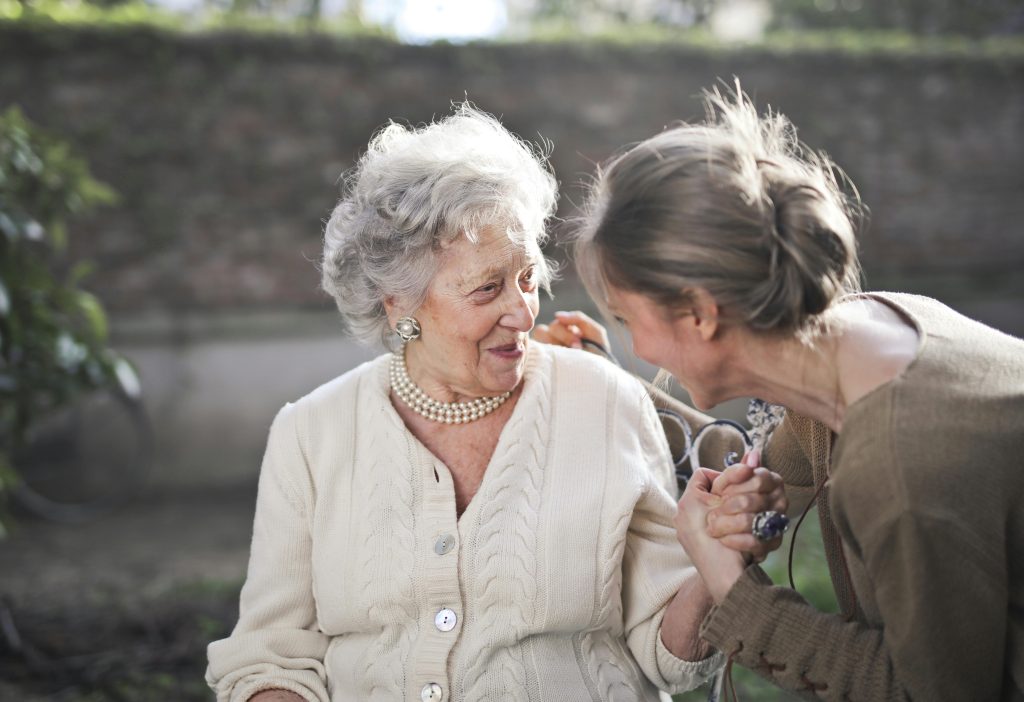
Co-housing for seniors is a popular way of living that offers a social and active life with like-minded people. You share common areas such as the kitchen and living room, while having your own private home. This can be an attractive solution for many seniors who seek both company and independence.
A co-housing community offers not only social opportunities, but also practical solutions in everyday life. It can make daily chores easier by sharing tasks such as cooking and cleaning. You also benefit from the security of having neighbours close by.
In this guide you will find answers to questions about what exactly co-housing involves, how it works and what advantages and disadvantages this way of living has.
For example, “Seniorlandsbyen” in North Zealand is known for its strong community, where residents enjoy shared activities such as yoga and communal dinners. This model shows the strength of solidarity among seniors.
What is a co-housing community for seniors?
A co-housing community for seniors is a way of living that combines privacy with community. Unlike care homes and traditional senior housing, it offers a unique blend of independence and social contact. You have your own private home, but you also share facilities such as the kitchen, garden and lounge with the other residents.
The purpose of these communities is to create a supportive environment where you can enjoy the company of like-minded people. This social side plays a central part in everyday life. Activities such as communal dinners, hobby clubs and cultural events strengthen the bonds between residents.
In practice, everyone contributes to the daily tasks, from cooking to maintaining the shared areas. Sharing responsibility makes it easier for many people to manage the chores of everyday life.
Their popularity is largely down to the wish to live in a safe environment full of opportunities for social interaction without giving up personal freedom entirely. Many see it as an ideal way to combine independence with the security of always having someone close by.
Co-housing is particularly well suited to those who want more than just physical closeness to other people – it is about taking an active part in a strong community.
How does co-housing for seniors work?
A co-housing community for seniors is designed to strike a balance between privacy and community. Each resident has their own private home, which allows for personal freedom. At the same time, residents share facilities and take part in activities that encourage social contact.
Daily routines:
- Shared meals: Breakfast or dinner is often organised as a communal event.
- Activities: From yoga to art clubs, planned regularly to keep residents active and engaged.
- Maintaining shared areas: Residents take turns to be responsible for cleaning and maintaining areas such as the kitchen and the garden.
Decision-making: The communities typically use democratic methods, with decisions made at meetings. Everyone can put forward proposals and vote on important matters such as budgets or new projects. This ensures that everyone's voice is heard.
Typical shared facilities include:
- Kitchen
- Dining room
- Communal garden
- Laundry room
- Hobby room
Care services in senior co-housing communities vary from place to place. Some offer integrated care with nurses or therapists on site, while others may work with outside partners to provide help as needed. It is important to look into this carefully before moving in, as the services can vary considerably from one place to another.
Advantages of co-housing for seniors
When you choose to live in a co-housing community as a senior, a world of opportunities and benefits opens up. One of the greatest gifts is the social contact that arises naturally in this way of living. Here you not only make new friends, but also enjoy an everyday life full of activities and shared experiences.
Social contact and community:
- You become part of a supportive environment where everyone helps each other.
- Shared activities such as cooking, games or outings strengthen the bonds between residents.
Financial benefits:
- Sharing resources such as electricity and internet bills can reduce costs considerably.
- Buying together can lead to savings on groceries.
Living close to others markedly reduces feelings of loneliness. Compared with living alone, a co-housing community offers a livelier and more stimulating everyday life. You always have someone to share your thoughts with or to do something fun with.
Co-housing communities also let you learn new things from each other's experiences. This creates a dynamic atmosphere where inspiration flows freely among residents.”
Peace of mind and security in senior co-housing communities
When you choose to move into a senior co-housing community, peace of mind and security are often among the most important considerations. Many communities have a range of security measures in place to ensure residents' wellbeing.
Security measures:
- Access control: Many places use electronic lock systems, which ensure that only authorised people can enter the property. This reduces the risk of unwanted visitors.
- Emergency alarm systems: These systems make it possible to call for help quickly in an emergency. They can be alarm systems linked to local care services or emergency buttons installed in the homes.
Here is an overview of some common security features:
| Security feature | Advantages |
|---|---|
| Access control | Greater control over visitors |
| Emergency alarm system | Quick response in an emergency |
| Communal lighting | Better visibility at night |
| Surveillance cameras | Protection against theft and vandalism |
Beyond technological solutions, the social network in co-housing communities also plays a central role in the sense of security. When people live close together, a caring environment naturally develops. Residents keep an eye on each other, which provides extra reassurance.
The strong community also means that you always have someone close by if you need help or support. This combination of practical security measures and social contact creates a safe and comfortable place to live.
Disadvantages of co-housing: what do you need to know?
When you are considering moving into a co-housing community, it is also important to be aware of the challenges that can come with it. Although this way of living has many advantages, there are also drawbacks to communal living that require your attention.
Lack of privacy: In a co-housing community you often share part of your life with others. Even though you have your own private space, it can be difficult to find the same degree of privacy as in a home of your own. It is important to set clear boundaries and respect each other's need for time alone.
Compromises: Living close to others often means having to compromise. Whether it is about cleaning habits or the choice of shared activities, decisions are rarely made without discussion. Open communication and flexibility are the key to handling these situations effectively.
Conflicts between residents: Even in the most harmonious communities, conflicts can arise. Disagreements about noise levels or the use of shared facilities can lead to tension. It often helps, however, to hold regular meetings and have direct conversations so that problems are resolved quickly.
For a quick overview:
- Limited privacy
- Need for compromise
- Possible conflicts between residents
By working proactively on communication and setting house rules, you can handle many of the challenges above constructively. By building mutual respect and understanding among residents, you create an environment where everyone feels heard and valued.
Possible pitfalls in senior co-housing
When you are considering moving into a senior co-housing community, it is important to be aware of the potential pitfalls. One of the most common problems can be decision-making within the community. When many people have to agree on things like maintenance or shared activities, conflicts can quickly arise.
Decision-making:
In a co-housing community, decisions often require consensus. This can lead to long discussions and perhaps even deadlock, where no solution seems possible. It is therefore essential to establish clear procedures for how decisions are made.
- Set meeting times: Regular residents' meetings help keep everyone informed and engaged.
- Clear voting rules: Having an agreement on majority decisions can make the process considerably easier.
Maintenance responsibility:
The division of responsibility for maintenance should also be taken seriously. Unclear responsibilities can result in neglected maintenance and frustration among residents. A clear plan should therefore be drawn up for who takes care of what.
- Task lists: A visual overview of the tasks ensures transparency and accountability.
- Rotating roles: By changing responsibilities regularly, you avoid some people feeling more burdened than others.
Good communication plays a decisive role in reducing these pitfalls of communal living. Talking openly about concerns and expectations helps create an environment marked by mutual respect and understanding.
Choosing the right senior co-housing community
Choosing a senior co-housing community is an important decision that requires careful thought. It is not only about finding a place to live, but also about making sure the community meets your needs and wishes.
Location: The location plays a big part in your wellbeing. Consider how close you will be to family and friends, so that you can easily keep up your relationships. Also check access to public transport and local amenities such as supermarkets, pharmacies and medical centres.
Facilities: The facilities available can vary greatly from place to place. Some offer shared kitchens or activity rooms, while others have gardens or gyms. Make sure the facilities that matter most to you are easily accessible.
Community dynamics: Every co-housing community has its own unique atmosphere. Visit several places to get a feel for the residents' daily life, and pay attention to the mood among the current residents. A harmonious environment with opportunities for social interaction can lead to a better quality of life.
It is wise to visit several co-housing communities before making your final decision:
- Ask questions: Ask about the rules of the community and how conflicts are handled.
- Observe activities: Take part in some of the shared activities if possible; it gives you insight into the social life on offer.
- Explore the surroundings: Take time during your visits to explore the local area around each potential home as well.
With careful consideration, you can find a senior co-housing community that is a perfect fit, both practically and socially.
Price and finances in co-housing communities
When you are considering moving into a co-housing community, it is important to think about the financial aspects. Price and finances play a big part in the decision, as costs can vary considerably depending on the structure and location of the community.
Different price structures:
In co-housing communities there can be several different ways of structuring payments. In some places you pay a fixed monthly amount that covers rent, utilities and shared costs. Elsewhere there may be a more flexible model in which expenses such as electricity and water are split according to actual consumption.
Payment models:
Some co-housing communities use collective ownership, where the residents co-own the property and so share all maintenance costs. In other cases you simply rent your own living space, with no further responsibility for maintaining the property.
Comparison with traditional housing:
Financially, a co-housing community can often be cheaper than living alone in your own household. Shared costs for things like heating, internet and cleaning often mean lower overall expenses per person than with traditional housing.
Budget considerations:
It is wise to draw up a detailed budget before you move. Include both fixed monthly expenses and variable costs. Also consider the possibility of unforeseen expenses such as repairs or upgrades to shared facilities.
The benefit of shared expenses becomes clear when you look at the potential savings:
- Savings on running costs: Sharing the bill for electricity, heating and so on markedly reduces the burden on each person.
- Buying groups: Many also choose to buy certain household items together; this can lead to further savings through bulk discounts.
A thorough understanding of price and finances will help you better assess your options in senior co-housing.
Is senior co-housing the right choice for you?
When you are deciding whether a senior co-housing community is right for you, there are several factors to consider. It is not only about finances or location, but also about your lifestyle, health and personal preferences.
Lifestyle and social contact:
A co-housing community can be ideal if you value social interaction and want to be part of a community. Here you have the daily company of other like-minded seniors and the chance to take part in shared activities. If you would rather have privacy and peace and quiet than social gatherings, it may be worth considering alternatives to senior co-housing, such as a smaller flat or a terraced house.
Health considerations:
Your health also plays an important role in this decision. A co-housing community can give you access to support from neighbours and shared resources such as care services or transport arrangements when needed. But if your health needs require more extensive care or specialised assistance, facilities such as nursing homes might be a better fit.
Personal preferences:
Think about what makes you happy in everyday life. Is it the freedom to decide everything yourself without interference from others? Or do you enjoy the sense of belonging with those around you? For some people the flexibility of living independently is essential; for others the structured everyday life of a co-housing community provides peace of mind.
Alternatives to senior co-housing:
There are several alternative ways of living, such as small housing communities or cooperative housing (andelsboliger), where you can still keep a certain amount of social contact without necessarily living right next door to many people every day. These options often offer more privacy while still allowing for social activities on your own initiative.
Choosing the right type of home requires careful thought about both your current and future needs, as well as your wish for quality of life. Do talk to friends or family about their experiences – it can give you useful perspectives on the different options.
Leave a comment