
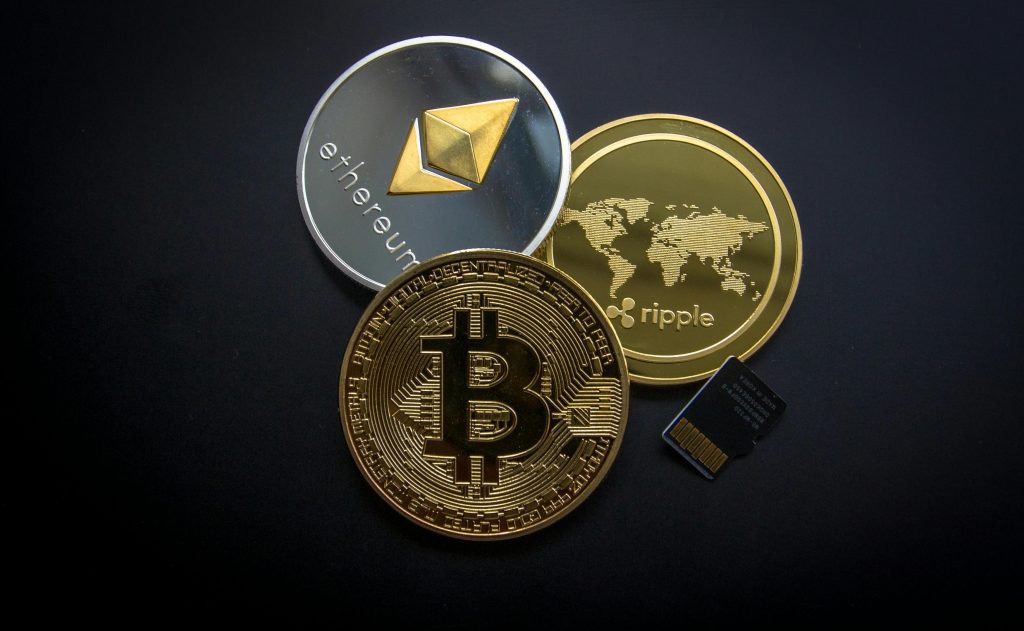
Thinking of broadening your investment options? Buying a home with cryptocurrency could be an exciting opportunity for you. This guide takes you through how digital currencies such as bitcoin can be used in property transactions. It is a topic that sparks interest among investors and tech enthusiasts alike.
For investors, using cryptocurrency opens the door to a fast-moving market with great potential for gains. Tech enthusiasts find it fascinating to see how digital currencies are gradually being integrated into traditional sectors such as the property market.
As cryptocurrency gains wider recognition around the world, the options for buying a home with it are becoming ever more relevant and interesting. Let’s dive into the many facets of this modern phenomenon.
Why buy a home with bitcoin?
If you are considering buying a home with bitcoin, there are several advantages that can make this option appealing. First and foremost, transactions can be considerably faster than traditional bank transfers. When you use bitcoin, there is no need for intermediaries such as banks or payment platforms, which makes for a more direct and efficient process.
A concrete example could be a property purchase where the buyer and seller both accept bitcoin. Here, payment could be made almost instantly once the necessary agreements are in place. Besides the speed, costs are also reduced, as the fees are typically lower than with conventional methods.
Anonymity is another factor that appeals to many cryptocurrency users. Bitcoin transactions offer a degree of anonymity by hiding personal information from the public and revealing only relevant data through blockchain technology.
But it is also important to take into account the risks of using bitcoin for property transactions. The value of a cryptocurrency can fluctuate sharply in a short time, which can hurt the finances of both buyer and seller during the transaction. In addition, the lack of regulation around cryptocurrency poses a potential challenge in some jurisdictions.
By understanding both the advantages and the risks, you can make an informed decision about whether buying a home with bitcoin fits your investment goals.
How cryptocurrency is affecting the housing market
Cryptocurrencies have increasingly made their mark on the Danish housing market. With digital currencies such as bitcoin, property transactions are becoming more flexible and accessible to a wider group of investors. This innovation is changing the financial approach to buying and selling property.
- Faster transactions: Traditional banking processes can be slow, but with cryptocurrency, transfers happen almost instantly. This makes it possible to complete deals faster and without delays.
- Lower costs: With no need for intermediaries such as banks, fees are reduced considerably, which means lower costs for property transactions.
- Global access: International buyers can easily take part in the Danish market, as digital currencies are not bound by the same geographical restrictions as traditional money transfers.
- Greater privacy: Cryptocurrency transactions offer anonymity, which appeals to those who want more privacy around their financial activities.
Trends show growing acceptance of cryptocurrency among both sellers and buyers. More and more estate agents are starting to offer the option of paying with crypto, signalling an openness to new financial technologies within the sector.
In the longer term, this shift could lead to greater decentralisation of the property market. While some fear the volatility and lack of regulation, others see potential for innovation and greater efficiency. It will be interesting to see how this technology shapes the home sales of the future.
Platforms for cryptocurrency and property in Denmark
If you are considering buying or selling property with cryptocurrency, it is important to know the platforms that can help you with the process. Here are some of the best-known platforms in Denmark:
- BitProperty: A popular platform that specialises in property transactions with cryptocurrency. BitProperty accepts both bitcoin and ethereum as payment. The platform offers a user-friendly interface and detailed lists of available properties.
- CryptoEstates: This platform focuses on luxury properties and accepts payment in several different cryptocurrencies, including litecoin and ripple as well as bitcoin. CryptoEstates also offers advice on the tax rules for using crypto in property transactions.
- KryptoBolig: With KryptoBolig, Danish buyers can easily navigate the market for homes for sale using digital currencies. The platform supports transactions in bitcoin cash as well as the more traditional bitcoin. It prioritises security and offers comprehensive guidance for first-time buyers.
- ChainHouse Realty: This is a newer player on the market that focuses on sustainable home purchases with crypto. For now, however, ChainHouse Realty only accepts payment in bitcoin, but it is working on expanding its range of currencies.
Before you venture onto these platforms, you should be aware of their fee structures and customer service options. It is also a good idea to read reviews from other users to get a better insight into each platform’s strengths and weaknesses.
Step by step: how to buy a home with crypto
Buying a home with cryptocurrency can seem complex, but by following the right steps you can make the process more manageable. The first thing to consider is which cryptocurrency to use. Bitcoin is often the preferred choice because of its widespread acceptance and value, but other currencies such as ethereum or litecoin can also be used, depending on the seller’s preference.
Once you have chosen your cryptocurrency, the next step is to carry out a thorough market analysis. This involves assessing market trends for both the chosen currency and the property market in the area you want to invest in. Having insight into price fluctuations can help you make informed decisions.
It is crucial to find a suitable property where payment in cryptocurrency is accepted. This is where the experience of professional estate agents comes in. Working with agents who have experience of crypto property deals ensures a smooth process. They can guide you through the specifics of such deals and introduce you to relevant platforms.
Preparing for the transaction itself also calls for attention to the details of security and verification. Make sure all the necessary documents and contracts are drawn up correctly and signed, digitally or on paper as required.
The deal is typically completed once the buyer and seller have mutually agreed on the exchange rate of the chosen cryptocurrency, along with any further terms such as payment deadlines or how to handle potential exchange-rate fluctuations during the transaction.
With careful planning and an understanding of each step in the process, you can navigate a home purchase with cryptocurrency safely.
Paying with bitcoin in property deals
If you want to complete a property transaction with bitcoin in Denmark, it is important to have a firm grip on the process to ensure both transparency and security. The first step is to find a trusted partner or estate agent with experience of crypto transactions. This professional can help you understand the necessary steps and make sure every aspect of the deal is handled correctly.
It is crucial that both parties – buyer and seller – agree on the bitcoin exchange rate at the time of the transaction. This removes the uncertainty of exchange-rate fluctuations during the transaction process. Once the rate has been fixed, the bitcoin is transferred via blockchain technology to the seller’s digital wallet.
For extra peace of mind, it is always advisable to use smart contracts or escrow services, which keep the funds secure until all the terms of the deal have been met. This not only ensures that the agreement is fulfilled but also protects both parties’ interests throughout the process.
The legal framework for buying property with bitcoin
If you are considering buying a property with bitcoin in Denmark, it is important to understand the legal framework and regulations that apply. Although cryptocurrencies such as bitcoin are becoming increasingly accepted, there are certain legal aspects you need to be aware of.
| Aspect | Traditional currencies | Cryptocurrency (Bitcoin) |
|---|---|---|
| Regulation | Subject to strict banking and financial regulations | Limited regulation – depends on the individual agreement between the parties |
| Transparency | High degree of transparency through bank transfers | Transparency via the blockchain, but requires technical know-how |
| Consumer protection | Comprehensive protection laws | Less developed; depends heavily on the terms of the contract |
Although using bitcoin for property transactions can be exciting, it is worth noting some gaps in the current legislation. A major challenge is the lack of standardised rules for how transactions are completed. This can lead to uncertainty about the rights of the buyer and the seller.
In addition, the tax rules for cryptocurrency transactions are not fully defined. This means that the tax authorities’ position varies depending on the nature and size of each transaction.
For buyers and sellers alike, this means they should seek advice from experts in both law and crypto to navigate the potential pitfalls as well as possible.
Tax rules for using cryptocurrency in property
When you are considering using cryptocurrency to buy a home, there are some important tax aspects you need to be aware of. In Denmark, income from trading cryptocurrencies is treated as personal income, which means that any gains may be taxable.
First and foremost, it is important to establish the value of the cryptocurrency used at the time of the transaction. This requires accurate documentation of the exchange rate so that any gain or loss can be calculated correctly. A lack of precise records can lead to problems meeting the requirements of Skattestyrelsen (the Danish Tax Agency).
In addition, it is important to understand the difference between how private individuals and companies are taxed when using crypto assets. For private investors, the gain may be taxed as capital income or personal income, depending on certain criteria such as trading patterns and the holding period.
Special Danish rules also allow a deduction under certain conditions if a loss arises when selling or exchanging crypto assets in connection with property transactions. It is therefore advisable to seek professional advice for accurate tax planning and reporting.
For larger transactions, it is also always advisable to keep on top of any documentation requirements the tax authorities may impose. This includes detailed information about each transaction and any related contracts.
The future of buying homes with digital currencies
Digital currency is set to change the way we buy property. There is potential for more property transactions to be completed with cryptocurrency in the future. This is down to the growing acceptance and spread of digital currencies as a means of payment.
As understanding of blockchain technology grows, we can expect more transparency and security in transaction processes. The technology enables traceability and reduces the risk of fraud, which makes it attractive to buyers and sellers alike.
Cryptocurrency also enables faster payments without the need for intermediaries such as banks. This can lead to lower transaction costs and shorter processing times, which is an advantage in a dynamic market.
We are already seeing the beginnings of innovative solutions such as smart contracts, which execute themselves automatically once the agreed conditions are met. This could revolutionise the property sector by minimising human error and ensuring that transactions are completed on time.
In the longer term, multi-party platforms could make it possible to buy small shares of properties with cryptocurrency, opening up the market to a wider group of investors. Opportunities like these would allow more people to invest in real estate without a large capital outlay.
In the future, we may see a more globalised property sector in which the borders between countries become blurred thanks to the universal nature of digital currencies. This would give international buyers easier access to markets all over the world, without the complications of currency exchange.
The vision points towards a flexible market driven by innovation and technological progress in the crypto economy. If developments continue as they are, we have only seen the tip of the iceberg when it comes to the potential of buying homes with digital currencies.
Leave a comment