
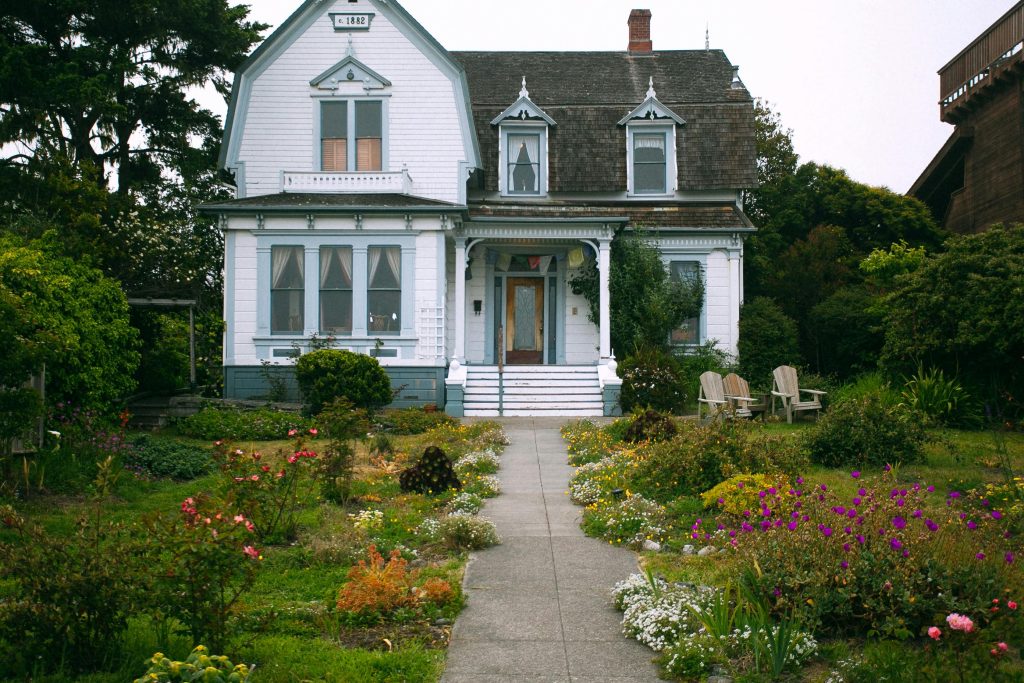
Buying an older house can be an exciting journey into the past. Many buyers are drawn to the charm and history that only old houses can offer. These homes often feature fine architectural details, unique designs and a character that is hard to find in modern buildings.
But before you let yourself be seduced by the nostalgic glow, there are some important things you should investigate thoroughly. The first item on your list should be the house’s foundations. Solid foundations keep the whole building stable and protect against future problems such as cracks or instability.
Another critical point to consider is possible contamination of the plot. Old houses may have been exposed to environmental problems such as previous industrial activity or the use of hazardous materials in their construction. Make sure the necessary tests are carried out to ensure your new home is healthy and safe.
You should also take a closer look at the soil conditions around the house. The type of soil the house stands on can affect everything from drainage to the risk of erosion or flooding. A professional assessment of this can save you a lot of worry later on.
These factors are essential to take into account when you are considering buying an old house, so always be thorough before you sign anything.
The importance of the house’s foundations
The foundations are the basis of any building. They carry the weight of the whole house and keep it stable over time. When you buy an old house, it is crucial to inspect the foundations closely, as any damage here can lead to major problems later.
Cracks in the foundations are a common problem. They can be caused by ground movement or damp and can lead to serious structural damage such as cracked walls or sloping floors. Irregularities in the foundations can also reduce the value of the house.
To assess the condition of the foundations, you should:
- Walk around the house: Look for visible cracks or signs of subsidence along the base of the walls.
- Check the basement: Watch out for damp patches or salt deposits (efflorescence), which could indicate water getting in.
- Keep an eye on doors and windows: If they do not close properly, it may be a sign of movement in the structure.
It can be a good idea to consult a professional building surveyor for a thorough assessment. They have the expertise needed to identify potential problems and suggest solutions.
Avoid contamination when buying a house
When you are thinking of buying an old house, it is important to make sure there is no contamination on the property. Contaminated plots can pose health risks and lead to considerable expense.
There are different types of contamination you should be aware of. Soil contamination is one of the most common concerns. Past industrial activity or the use of hazardous chemicals may have left residues in the ground that can now affect both the environment and your health.
Old building materials can also be a source of contamination. Materials such as asbestos or lead-based paint were often used in older buildings and can be harmful if they are not handled correctly. It is important to have materials like these assessed before you buy.
If contamination is discovered after the purchase, the consequences can be far-reaching. The cost of cleaning up or remediating the soil can be very high and may even exceed the value of the home. It can also take a long time to put the problem right, which delays when you can move in.
To avoid these problems, you should take preventive steps before you buy. A thorough inspection or testing of the plot will give you a clear picture of any risks. Professional environmental inspectors have experience in identifying hidden hazards and advising on the action needed.
By inspecting the property carefully before you buy, you protect yourself against unwelcome surprises later on. It gives you peace of mind about your investment and ensures a safe home environment.
The importance of ground conditions
When you are thinking of buying an old house, the ground conditions are an important factor. Ground conditions refer to the type of soil the house stands on, and they can affect the stability and safety of the building.
Different types of soil have different properties. Some drain water efficiently, while others hold on to moisture. Clay soil, for example, can swell in wet conditions and shrink during dry spells, which can lead to the foundations settling. Movement like this can cause cracks in walls or floors.
Another risk of poor ground conditions is water-related problems. If the soil does not drain properly, it can result in flooding around or under the house. This increases the risk of damp damage and mould growth.
To understand the ground conditions before you buy, you should have a geotechnical survey carried out. A professional inspection will reveal any risks such as poor drainage or unstable ground. Knowing these conditions allows you to make informed decisions about necessary improvements, or even to reconsider the purchase.
It is also wise to ask the neighbours or the local authorities about any previous problems with similar houses in the area. This information will help you build a clear picture of potential challenges.
By analysing and understanding the ground conditions thoroughly, you secure a more stable future for your new home.
Understanding local plans
Local plans (lokalplaner) are rules and guidelines that the municipality sets for a specific area. They define how the plot can be developed and used. They might, for example, cover a building’s height, the number of storeys or the materials used.
It is crucial to understand these plans before buying a house, as they directly affect your options for renovation or future building projects. If you dream of a large extension or changes to the facade of your home, it has to fit within the framework of the local plan.
Restrictive local plans can make it difficult to carry out the projects you have in mind. You may have found your dream house with potential for extending, but if the plan only allows limited development, your ambitions can quickly be curbed.
To find relevant information about the local plans for the area, start with the municipality’s website. Detailed documents and maps of the plans in force are often published there. You can also contact the municipality’s technical department for guidance.
One example of how much local plans matter comes from a buyer in a small village: the family planned to build a modern annexe for their newly purchased old house. After looking into it, however, they found that the plan in force did not allow new buildings on the plot without special approval from the municipality.
Being aware of conditions like these protects you against unexpected restrictions later on and allows you to plan realistically for your property.
Flood risk
When you buy an old house, it is important to consider the risk of flooding, especially if the house is in an area that has had such problems before. Flooding can cause extensive damage to the property and lead to considerable repair costs.
To assess the flood risk, you can start by looking at historical data for the area. This can give you an insight into past incidents and how serious they were. The local authorities or the municipality’s website often have information and maps of known risk areas.
Another useful tool is local flood maps. These maps typically show low-lying areas where water collects during heavy rain or storm surges. By studying them, you can get a better understanding of potential hazards around your property.
Insurance against flood damage is also worth considering as a precaution. Many insurance companies offer specific policies that cover damage from water ingress, giving you extra peace of mind should the unexpected happen.
Practical examples of flood damage include ruined floors, damaged foundations and mould caused by prolonged damp. To avoid problems like these, make sure there is proper drainage around the house and maintain the gutters and downpipes regularly.
You can also install sump pumps or non-return valves as extra protection against floodwater getting in. Taking these steps significantly reduces the risk of costly damage.
Assess the repair costs
When you are looking at an old house, it is important to assess the potential repair costs thoroughly. These costs can vary a great deal depending on the age of the house, its general condition and any hidden damage.
Age plays a big part in the assessment. Older houses often need their electrical and plumbing systems updated, as these do not meet modern standards. Wear and tear over time can also mean that the roof or foundations need major repairs.
Particular types of damage can include damp problems caused by poor insulation or leaking roofs. Old windows may have rotten frames that need replacing entirely. You should also look out for structural problems such as cracks in walls or floors.
Typical repair jobs often involve renovating the kitchen and bathrooms, where old fittings may be inefficient or worn out. Replacing old heating systems or improving the insulation are also common jobs in older homes.
It pays to have a professional estimate the potential costs before you buy. An expert will be able to identify problem areas you might overlook at first glance. This gives you a realistic idea of the investment required after the purchase and helps you make a well-informed decision.
Key factors when buying a plot
When you are thinking of buying a plot, especially one with an old house on it, there are several important factors to take into account. These factors can have a big impact on both the value of your investment and the future scope for development.
Location: Location is often the most important factor when buying a plot. Consider how close it is to essential amenities such as schools, shopping centres and public transport. An area with good infrastructure will not only make everyday life easier but also increase the property’s value over time.
Size and shape: The size and shape of the plot can affect your building or renovation plans. An irregularly shaped plot can limit the types of building that can be put up. Make sure you understand the local building regulations, as these can also affect how the plot can be used.
Road access: Access to roads is crucial for easy transport and convenience. Check whether there is easy access to main roads or motorways without being troubled by traffic noise. A poorly located plot with poor access may be less attractive to potential buyers in the future.
Infrastructure: Look into the area’s existing infrastructure, such as sewerage, water supply and the electricity grid. If any of these are not properly in place, it can mean considerable extra costs for installation or improvements.
Potential challenges when buying a plot include:
- Environmental rules: Some areas have strict environmental protection laws that restrict building close to protected nature reserves or wetlands.
- Ground improvement: In some cases the ground needs special treatment before building work starts – for example, drainage in boggy areas or stabilisation on sloping terrain.
- Property boundaries: The details of the boundary lines should always be checked carefully against the official documents; any discrepancies here could lead to legal disputes later on.
ensuring a successful purchase comes down to careful planning and an understanding of all the relevant aspects involved.
Leave a comment