
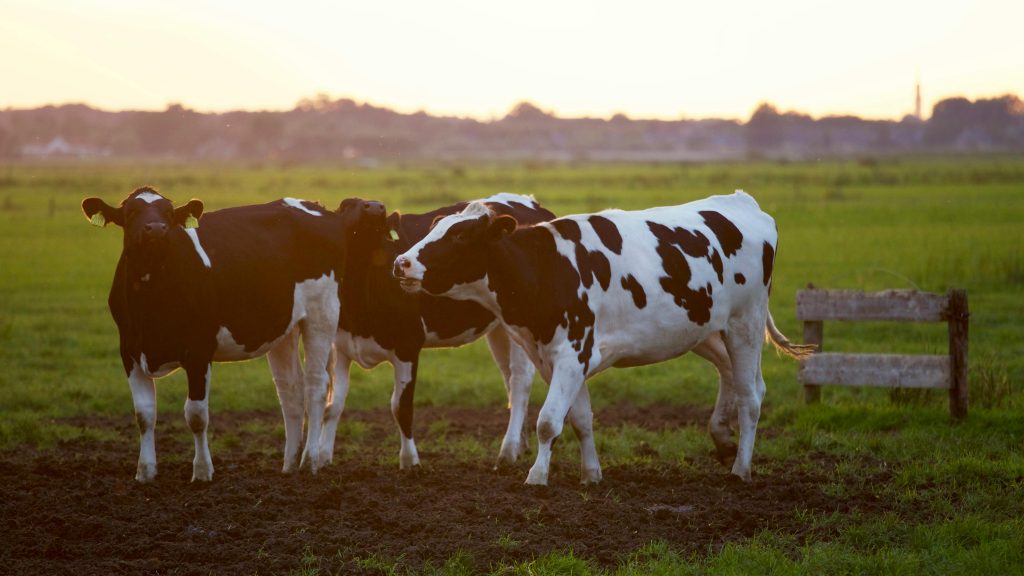
When you are thinking of buying a former farm (nedlagt landbrug), it is important to understand both the opportunities and the limitations that come with it. A former farm is typically a once-working farm that is no longer run as a commercial business. These properties can appeal to home buyers looking for space and nature, investors seeking an increase in value over time, or self-employed people who need premises for their business.
There are many possible uses for a former farm. As a private individual, you can choose to move in and enjoy the open space and freedom from the noise of the city. Investors often see potential in renovating or converting the buildings into rental properties or holiday homes. For those with an entrepreneurial streak, these properties can also be used for small-scale production such as market gardening, or for hosting events.
A purchase like this is not without its challenges, however. Local plans (lokalplaner) can dictate how the land is used, which means certain changes require permission from the municipality. It is therefore necessary to familiarise yourself thoroughly with the local rules before you buy.
One example of a successful investment could be Steen and Maria Jensen from Funen, who turned the country property they bought into a popular bed and breakfast on the coast. Along the way, however, they ran into challenges with renovation permits and with upgrading the existing infrastructure, such as sewerage and the electricity supply.
On the other hand, there is Anders Nielsen from Jutland, who ran into problems with the local plans when he wanted to set up a small wind farm on his property – something that required extensive paperwork and approvals.
This shows how important it is to plan and research thoroughly before making a purchase. With the right preparation, though, a former farm can be a rewarding investment.
Understanding rural zones vs. urban zones
When you are thinking of buying a former farm, it is important to understand the difference between rural zones (landzone) and urban zones (byzone). These zones determine what you can use the property for and which rules apply to building and development.
The rural zone typically covers areas outside the densely populated towns and cities. Here there are often fewer restrictions on using the land for farming or for enjoying nature. However, it can be harder to get permission for larger building projects such as conversions or new builds.
The urban zone covers the more urbanised areas with denser development. In these areas the prospects of getting building permits are often better, as the infrastructure is already in place. Property taxes in the urban zone can, however, be higher than in the rural zone.
Below you will find a table that gives a clear overview of the differences between the two zones:
| Factor | Rural zone | Urban zone |
|---|---|---|
| Building permit | Often limited | More options |
| Property tax | Typically lower | Often higher |
| Development projects | Harder to carry out | Better infrastructure |
When you are looking at a former farm, you need to consider which zone the property is in, as this has a direct bearing on your plans and options.
What can I use a former farm for?
When you are thinking of investing in a former farm, it is important to know the legal framework for how the property may be used. These rules determine what you can and cannot do with your new property.
Private residence: Many people choose to use a former farm as a private home. This often requires fewer permits, especially if the property already has an existing dwelling. You should, however, be aware of any local restrictions or requirements for renovation.
Farming activity: Even though the land was previously used mainly for farming, that does not necessarily mean every kind of modern farming activity is allowed as a matter of course. For example, keeping larger numbers of livestock may require specific environmental permits or changes to the local plan.
Commercial use: Using a former farm for business purposes may be more heavily regulated. If you want to start a bed and breakfast or a similar business, you will need to look into whether you need business permits as well as approval from the municipality.
Here are some typical uses:
- Residential use: Ideal for those who want to live closer to nature with more space around them.
- Small-scale production: Market gardening or keeping a small number of livestock often requires fewer permits than large-scale production.
- Event facilities: Using the land for weddings or other events may be possible, but it often requires special event permits from the municipality.
When buying a former farm, you should always consult the municipality for precise information on the rules that apply, and get clarity on which activities require additional approval.
Living on a former farm as a private individual?
Living on a former farm can be a dream for many, but it requires careful consideration and planning. When you move in as a private individual, there are many aspects to take into account.
Home comfort:
Former farms often offer generous living space and beautiful natural surroundings. Here you have room to spread out and enjoy the peace and quiet, far from the stress of the city. The condition of the houses can vary a great deal, though, so it is important to assess any renovation needs before you buy. Many older farmhouses need updating in areas such as insulation, heating systems or electrics to provide modern comfort.
Renovation needs:
Renovation can be both time-consuming and expensive. You should therefore go through the property thoroughly with an expert adviser to identify the improvements needed. Some people choose to do the renovation themselves, while others hire professionals – both options require time and budgeting.
Legal restrictions:
Before you move in, you should look into the local plans and zoning regulations with the municipality. In some cases, specific permits may be required to change the use of the buildings from commercial to residential, or there may be rules on preserving cultural heritage.
Advantages of country life:
Many people find joy in the freedom and the beautiful natural surroundings that a former farm offers. You have the chance to be self-sufficient with your own kitchen garden or a few animals, without neighbours close by to worry about.
Disadvantages of country life:
It can be a long way to school, work or the grocery shops, which makes transport a necessity for everyday errands. A lack of public infrastructure, such as an internet connection, can also be a factor.
For example, after retiring, Anette Hansen decided to buy an old country property near Vejle, wanting more space for hobbies such as gardening and keeping animals. Her project involved extensive renovation – particularly to improve energy efficiency – but resulted in the perfect home surrounded by woodland.
Considering this lifestyle? Then always make sure you have thorough background knowledge first, along with realistic expectations about the budget and timescale for restoring the property.
Important rules for buying an agricultural property
If you want to buy an agricultural property in Denmark, there are several rules and procedures you need to be aware of. It can seem complex, but knowing the basic steps makes the process easier to manage.
Purchase agreement and legal assistance:
The first step is usually to enter into a purchase agreement (købsaftale). At this stage it is strongly recommended to have a lawyer with experience of agricultural property transactions review the contract. The lawyer makes sure all legal aspects are covered and helps with any negotiations.
Registration of title:
Once the purchase agreement has been signed, the change of ownership must be registered (tinglysning). This official requirement confirms your right as owner of the property and protects you against unjustified claims from previous owners or creditors.
Permits from the municipality:
Depending on what you plan to do with the property—whether you will live there or run it as a farm—you may need permits from the municipality. These include:
- Building permit, if you want to alter existing buildings or put up new structures.
- Environmental approvals, especially if you plan to keep livestock or carry out production that affects the environment.
Residence requirement:
In some cases, the buyer is required to live on the property for a set period after the handover (often five years). This ensures active involvement in running the farm and supports the local economy.
Agricultural obligation:
There is often an obligation (landbrugspligt) to actively use the land for agricultural purposes. This rule can vary depending on the region and local regulations, and should be looked into with the relevant municipality.
With help from professional advisers such as lawyers and estate agents who specialise in the agricultural sector, you can navigate these rules effectively and avoid potential pitfalls.
Financing options for agricultural property
When you are thinking of buying a former farm, it is important to understand the various financing options that can help you complete your purchase. Loans from banks and mortgage credit institutions (realkreditinstitutter) are often an obvious solution.
Bank loans:
Banks offer loans for many purposes, including buying agricultural land. The advantage of a bank loan is the flexibility of the loan terms. You can discuss your specific needs with your adviser and may be able to secure favourable interest rates based on your financial situation. The drawback can be strict requirements for documentation and collateral.
Mortgage credit institutions:
These institutions specialise in larger loans secured against real property. Mortgage loans (realkreditlån) often have a lower interest rate than traditional bank loans, which makes them attractive for large investments such as former farms. However, they typically require substantial equity and long-term repayment commitments.
Public grants:
There are also public support schemes designed to promote development in rural areas. These include direct grants or interest-free loans, but availability varies by region and type of project. One drawback is the extensive application process and the condition that specific criteria must be met.
Private investors:
Private investors may sometimes be interested in rural projects – especially if there is potential for commercial success, such as tourism or organic production. The advantage here is the possibility of flexible loan terms without the bureaucracy of a traditional lender; however, you will often have to share control of the project with the investor.
Whichever method you choose, it is essential to understand the interest rates and repayment terms. A variable rate can affect your monthly payments depending on market conditions, while fixed rates offer more stability but may not always be the lowest available.
Whichever of these options you choose, thorough research combined with professional guidance will secure the most favourable financing, tailored to your needs.
Is farmer status required to buy a farm?
When you are thinking of buying a farm, it is important to know whether you need farmer status. This status can affect your ability to own and run an agricultural property.
What does farmer status involve?
Farmer status means that you are officially recognised as running a business in agriculture. To obtain this status, you often need to document relevant experience or training in farming.
Criteria for obtaining it:
To be regarded as a farmer, you typically need to:
- Have a relevant educational background, such as training as an agricultural economist (agrarøkonom) or similar.
- Demonstrate practical experience of running farms or working the land.
- Possibly be able to present plans for actively using the property for production.
Navigating the legal requirements:
Navigating the legal requirements can seem complex. Fortunately, there are professional advisers who can guide you through the process. They make sure all the necessary documents are submitted correctly and on time.
Exemptions from the requirement:
In some cases there may be exemptions from the farmer status requirement. This applies in particular if:
- The property is mainly used as a private residence, with no commercial production involved.
- You have plans for alternative projects on the land, such as nature conservation or tourism activities.
If you are buying a smaller plot of land or a hobby farm, there are often fewer requirements regarding the buyer’s background and intentions. Even so, it is always a good idea to consult the municipality about the specific rules and possibilities in your particular area.
Investing in former farms – what you need to know
Investing in a former farm can be an exciting opportunity, but it also calls for careful consideration. Here are some of the main advantages and disadvantages of this type of investment.
Advantages of investing:
One of the main advantages is the potential to create value by developing the property. Many former farms have great potential for conversion into homes, holiday lets or specialised organic farms. This can deliver an attractive financial return.
The investment may also bring tax advantages. Depending on how the property is used, there may be opportunities for tax deductions or other tax benefits linked to farming.
Disadvantages of investing:
On the downside, renovation often takes considerable resources and time. Disused buildings may be in poor condition and need extensive work before they are ready to be used or let.
In addition, many come with specific restrictions on use – as described earlier in relation to permits from the municipality – which could limit the scope for development.
Investment strategies:
Different strategies include buying with a view to long-term income from letting, or to selling once improvements have been made. Another approach could be to build up a niche business such as agritourism or a market garden focused on local produce.
For example, one group of investors managed to transform an old smallholding into a popular holiday destination with small cabins and nature experiences – a success story in which both financial gains and benefits to the community were achieved.
Conversely, others have faced challenges from market fluctuations in traditional agricultural products, which underlines the importance of thorough market analysis before making a decision.
When assessing this type of investment, you should weigh the potential gains against the risks and have realistic expectations about the timeframe and the resources required.
Brikk Estate Agents: expert advice on buying agricultural property
When you are considering buying an agricultural property, having experts by your side can be a major advantage. Brikk Estate Agents specialises in advising on the purchase of agricultural properties and offers the expertise needed to make the process easier to navigate.
Avoid hidden defects when buying a farm
When you are considering buying a former farm, it is important to protect yourself against hidden defects. These can be costly and time-consuming to put right after the purchase. That is why you should prioritise thorough inspections and legal reviews.
The importance of a thorough inspection
First of all, make sure the property gets a comprehensive physical inspection. A professional building surveyor can identify structural problems such as roof damage, damp or faulty installations. This is essential, as defects like these often require expensive repairs.
Besides the buildings, it is also important to examine the land and any production facilities. Are there signs of contamination or drainage problems? What condition are the roads and access routes in? Careful checks here can save you a lot of headaches later on.
Legal review and due diligence
Another important part of the process is the legal review. This is about getting clarity on the property’s documentation, such as easements (servitutter), rights of use and property boundaries. It ensures that no unexpected claims from neighbours or the authorities crop up later on.
It is strongly recommended that you involve a lawyer with experience of agricultural property in this part of the process. They can help review the contract and make sure everything is correctly registered with the relevant authorities.
How to minimise the risk – a step-by-step guide:
- Initial assessment: Start with an initial assessment of the property’s general condition based on the information and photos available.
- Professional surveyor: Hire a qualified building surveyor to cover all physical aspects, including a soil analysis if necessary.
- Legal adviser: Consult a lawyer about all legal matters relating to the property – including any rights or restrictions registered against it.
- Report review: Go through the reports from both your surveyor and your lawyer carefully; pay particular attention to any warnings or recommendations for further investigation.
- Negotiating on the findings: If these investigations uncover problems, use them as a basis for negotiating the price, or require them to be put right before the purchase agreement is signed.
- Final decision: Once all the information is in, bring the team together (estate agent/lawyer) so that you can make the best possible decision about the purchase together, based on the data gathered.
A systematic approach significantly reduces the risk of unpleasant surprises after the handover – something every prospective buyer will appreciate.
Leave a comment