
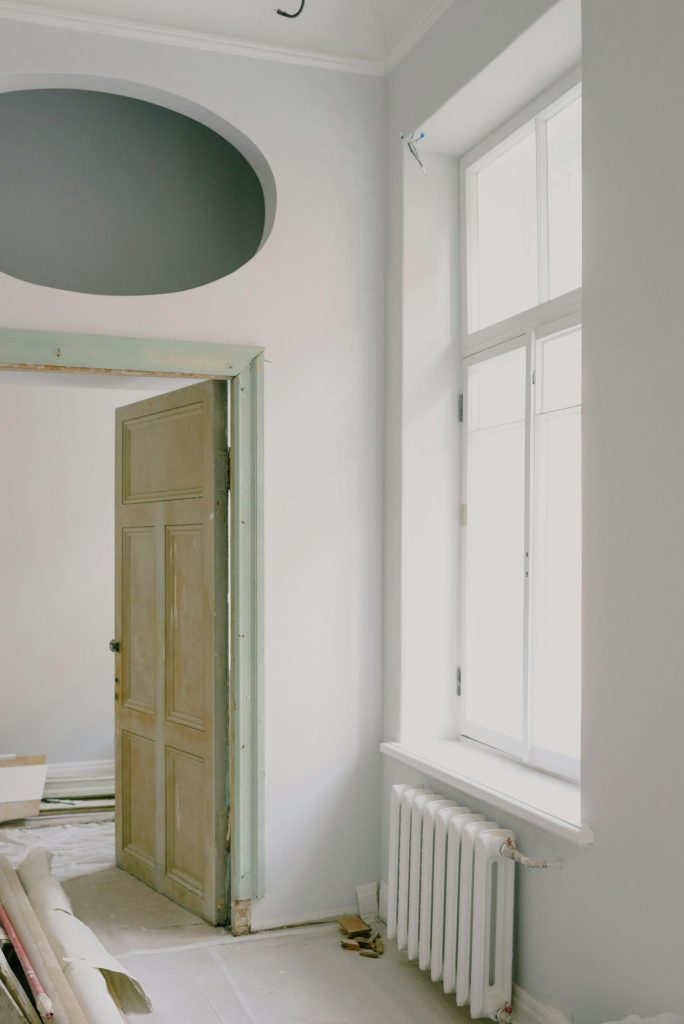
Buying an older house can be an exciting experience, but sometimes you need to consider demolition as part of your plans. There can be many reasons to demolish a house, such as structural damage, an inefficient use of space or the wish to build something new and more modern.
When you are thinking about demolition, there are several key aspects to consider. First and foremost comes safety. That means the correct removal of hazardous materials such as asbestos and lead paint. Professionals protect not only your own safety but also the environment, by disposing of materials properly.
Environmental considerations should not be overlooked during the process either. Recovering and reusing building materials can reduce the amount of waste considerably and save money in the long run.
As a homeowner, you are responsible for everything from obtaining the necessary permits to coordinating with the right professionals and carrying out the work itself. It takes planning and an understanding of the legal framework and local regulations before the project starts.
For new homeowners, the process can seem daunting, but thorough research and choosing skilled experts make the transition from old to new much easier.
How to prepare for your demolition
When you plan to demolish your house, there are several important steps to take for a smooth, trouble-free process. The first and most crucial step is to secure the necessary permits.
Demolition permit: Before demolition can begin, you need an official demolition permit from your municipality. The permit ensures that everything is done in accordance with local rules and laws.
Here are some steps to help you prepare:
- Gathering documents:
- Dig out the property documents that prove ownership.
- Collect floor plans and technical reports on the building.
- Applying for permits:
- Visit the municipality’s website or office for application forms.
- Fill in the application correctly with all the necessary information about the project.
- Getting approvals:
- Obtain approvals from the relevant authorities, such as the fire service or the environmental authorities, if required.
- Communicating with neighbours:
- Let your neighbours know about the upcoming demolition; it can reduce potential complaints about noise or dust.
- Planning safety measures:
- Agree safety procedures with the contractors, including how to handle hazardous materials such as asbestos.
Following these steps will give you a clear overview of the process and help your demolition go as smoothly as possible. With thorough planning, you avoid unexpected problems along the way.
Pros and cons of demolishing the house
Deciding to demolish an older house can be a big decision with many factors to consider. There are both advantages and disadvantages to bear in mind.
Advantages:
One of the biggest advantages of demolition is the chance to make a fresh start. You get the opportunity to build something completely new that suits your needs and modern standards. It also means you can include energy-efficient solutions from the outset, which can reduce future energy costs.
Financially, building new can be cheaper in the long run than constantly renovating an old house with potential hidden damage. A new build can also increase the property’s value considerably.
Disadvantages:
On the other hand, demolition requires a significant investment up front. Although a new build can save money in the long term, you need to be prepared for large costs here and now.
Emotional aspects also often come into play. If the house has sentimental value or historical significance, it can be hard to say goodbye.
Practical challenges, such as noise during the work and time-consuming permits, also make the project more complex than a simple renovation.
Find the right professionals for the demolition
When you are facing the demolition of your house, finding the right professionals for the job is crucial. It is not just about getting the work done, but also about ensuring your own safety and that of others.
Safety during demolition: It is important to choose contractors who have safety under control. Older houses may contain hazardous materials such as asbestos or lead, and these must be handled correctly to avoid health risks. Make sure the professionals you choose have experience of disposing of such materials safely.
When you talk to potential contractors, you should ask the following questions:
- Do you have the necessary certification?
- Make sure they hold licences and certificates for demolition work.
- How do you secure the site?
- Ask about their safety procedures and how they protect both their workers and the surroundings during the work.
- What experience do you have with similar projects?
- Experience from previous projects can give a good indication of their expertise.
A short list of criteria for choosing professionals includes:
- Certification and licences: Ensures legal compliance.
- Experience: A track record of successful projects shows skill.
- Safety procedures: Clear guidelines for protection against injuries and accidents.
- References: Recommendations from previous customers can confirm reliability and quality.
By choosing your professionals carefully, you ensure a safe working environment and an efficient demolition without unnecessary complications.
Waste disposal and recycling
When a house is demolished, large amounts of waste are created. It is important to handle it correctly to protect the environment and comply with the law.
Correct disposal:
Demolition waste must be sorted by type. Materials such as wood, brick, metal and concrete can often be recycled or disposed of in different ways. There are specific rules for disposing of hazardous waste such as asbestos or materials containing lead. You should therefore contact your local municipality for guidance on the correct procedures.
Recycling options:
Recycling not only reduces the amount of waste but also saves resources. Wood can be reused in new construction or as fuel, while metals are melted down into new products. Bricks and concrete can be crushed and used as fill material in other building projects.
Environmental impact:
Focusing on recycling minimises the need to produce new materials, which reduces CO2 emissions considerably. Selective demolition supports this process by separating recyclable elements from the very start.
It is essential to plan the disposal thoroughly before the project starts. A well-thought-out approach ensures responsible handling of resources and compliance with current legislation.
Make your demolition more environmentally friendly
Making your demolition more environmentally friendly takes a conscious effort to minimise waste and maximise opportunities for reuse. Here are some practical tips on how to carry out a sustainable process.
Reusing materials:
When the house is demolished, there are often many materials that can be reused. Timber beams, for example, can be used in new building projects or as fuel. Bricks and tiles can be cleaned and reused in other buildings or landscaping projects.
Waste reduction:
Plan the demolition with the aim of reducing the amount of waste. Selective demolition, where structures are taken apart instead of being completely destroyed, helps sort the materials efficiently and yields larger quantities of reusable resources.
Sustainability:
Choose contractors who focus on sustainability. Ask about their environmental policy, such as the use of low-emission machinery and methods for controlling dust during the work.
Use local resources:
By using local companies to transport and process waste, you reduce the CO2 emissions from long transport distances. It also supports the local economy.
By building these strategies into your project, you make a positive contribution to the environment while still getting an efficient result.
Rebuilding and renovating older houses
Whether you are facing a rebuild after demolition or renovating an older house, there are many factors to consider. First and foremost, you need to decide whether to preserve the original design or whether bigger changes are needed to meet modern standards.
Preserving the character of the house:
Preserving the house’s historic character can be a big advantage. This often involves restoring original features such as windows, doors and facade details. The choice of materials also plays an important role; use natural materials such as wood and stone to preserve the authenticity.
Modern updates:
Alongside preservation, you can integrate modern conveniences such as energy-efficient solutions. Consider installing insulation in the walls and loft, as well as energy-efficient windows that reduce heat loss. This not only helps lower energy costs but also increases comfort.
Financial considerations:
Renovation can be expensive, so it is important to have a realistic budget from the start. Unexpected costs can arise along the way, especially if unforeseen damage is discovered when old structures are taken down. It can be wise to include a buffer of around 10-15% in your budget for such situations.
Design aspects:
The visual design should create harmony between old and new. Think carefully about the colour scheme – traditional shades combined with modern tones create an attractive contrast without losing the original charm.
With careful planning, your rebuild or renovation becomes more than just an upgrade – it is a chance to create something unique in your home while respecting its history.
Renovation tips for your projects
When you start renovating an older house, there are many opportunities to improve both functionality and aesthetics. Here are some practical tips on how best to handle the process:
1. Strengthening structural elements:
Start with the foundations and the roof structure. Check for damage or weaknesses, especially if the house has gone a long time without maintenance. Strengthening these basic elements can prevent future problems and ensure your home’s stability.
2. Preserving classic features:
Keep the original details such as decorative plaster ceilings, wood panelling and classic doors. These features add character and charm to your home. Consider careful cleaning or restoration rather than replacement.
3. Small improvements with a big impact:
Paint can work wonders! A fresh colour on the walls or window frames can breathe new life into a room without a big budget.
4. Make the Most of Natural Light:
Large windows or mirrors can make rooms brighter and more inviting without significant cost.
By following this advice, you can update your older house effectively without necessarily breaking the bank.
Planning Your Financing and Budget
When you are facing a demolition or rebuilding project, financial planning is crucial. It can be a major financial decision, so it is important to understand your options.
Loans:
Loans from banks and mortgage credit institutions are often the most accessible options. It can be a good idea to compare different lenders to find the best interest rate and terms. Remember to account for both the loan term and the monthly payments in your budget.
Mortgage Loans:
For larger projects, a mortgage loan (realkreditlån) can offer more favourable terms, with lower interest rates than traditional personal loans. However, this requires you to have equity in the property as security.
Financial Support Schemes:
There are several government support programmes designed for homeowners who need to renovate or rebuild. These programmes vary depending on where you live, but may include grants or subsidised loans that help with the costs.
Budgeting:
Before the project starts, you should draw up a detailed budget that includes all potential expenses – from materials and labour to unforeseen events. Having an accurate picture of the total costs helps you avoid overruns.
Contingency Fund:
It is wise always to have a buffer of at least 10% of your total budget for unexpected expenses during the project. This gives you peace of mind and keeps the project on track even when surprises arise.
By planning your financing and budget carefully, you not only keep your finances under control but also gain peace of mind throughout the process.
Leave a comment