
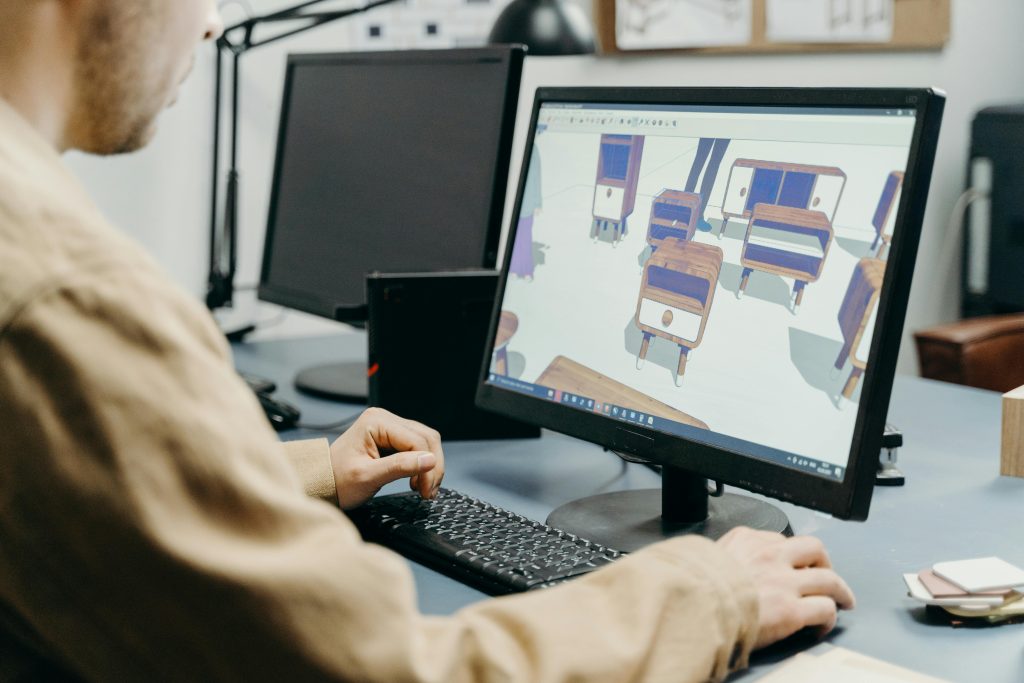
When you are about to sell your home, it is important to present it in the best possible way. This is where 3D visualisation of homes comes in as a game changer. With the help of the technology, potential buyers can get a realistic impression of the home without being physically present.
But what exactly is 3D visualisation? It is a digital technique that creates detailed, lifelike images or videos of a home using advanced software. Unlike traditional photos, this method makes it possible to show rooms and angles in ways that make it easier for the buyer to imagine life in your home.
Many home sellers experience the benefits of including 3D images as part of their sales strategy. Statistics show that adverts with 3D visualisation attract more attention online and typically have a shorter time on the market compared with those without.
The benefits do not stop there. Buyers can move around the home virtually and thereby get a better understanding of the size and layout of the rooms. This helps them quickly decide whether the home meets their requirements and wishes.
Instead of just static pictures, interested parties can almost physically “step into” your home through the screen. This can make the decision-making process far more engaging and personal.
How 3D Visualisation Boosts Home Sales
By using 3D visualisation you can really improve the presentation of your home. It is an effective way to catch the interest of more potential buyers. But how does it help with selling the home? Here is a step-by-step guide to the process:
1. Start with the Idea
Once the decision to sell has been made, you should consider how your home is best presented. Most buyers look online first, so the visual impression is crucial.
2. Collecting Data and Measurements
The first step in the visualisation itself is data collection. This involves measurements and detailed photos that ensure accuracy in the final rendering.
3. Design and Development
Advanced software is then used to create a digital model of your home. Here you can experiment with different design options to highlight the best qualities of the room.
4. Creating Realistic Images
The finished models are turned into realistic images or videos that bring your home to life for buyers.
This process not only makes the home more attractive at first glance; it also gives potential buyers the chance for deeper engagement through interactive tours and views.
Buyers often feel more confident in their choice when they can clearly see the home’s potential from the start.
Benefits of 3D Visualisation of Homes
When you use 3D visualisation of homes, a world of possibilities opens up for making your home more attractive to potential buyers. Here are some key benefits:
- Improved understanding of the home’s layout: With 3D visualisation, buyers can get a clear picture of how the rooms relate to each other and how big they are. It helps them see how the different rooms connect, which makes it easier to imagine daily life in the home.
- The option to show several design variations: You can present your home in different styles and colours. This shows the flexibility of the interior and appeals to a wider group of buyers with different tastes.
- Higher sales valuations: A well-executed 3D visualisation can often lead to higher valuations from agents and interested parties. When the home is presented at its best, the chance of a better sales price increases considerably.
These points underline the importance of 3D visualisation of homes as an effective tool in the sales process. By taking advantage of this technology, you make sure your home stands out on the market.
Improve Your Home Presentation with Realistic Images
Realism in 3D visualisation of homes plays a crucial role in capturing the interest of potential buyers. When the images are detailed and realistic, they can help buyers imagine themselves living in your home. It is precisely this ability to create a connection between the buyer and the home that can make all the difference.
Imagine, for example, a couple looking for their dream house online. They go through many photos, but it is often the ones with realistic 3D visualisation of homes that really catch their attention. Here they can see the sunlight shining into the living room or the play of shadows on the walls – things that bring the images to life and make the experience more authentic.
A practical example could be someone selling a flat who decides to use 3D visualisation for the first time. After receiving the finished images, they immediately notice a marked increase in interest from potential buyers. More viewings are booked than before – all because the visualisation gives a clear picture of the interior’s possibilities.
This approach effectively shows the strength of 3D visualisation of homes: it delivers not just static images but creates engaging scenes where every detail counts. The more precisely and realistically these elements are presented, the better buyers can see themselves as part of the home.
Increase the Chance of a Faster Sale
Realism and 3D models can play a big role in speeding up the sales process. How does it help with selling the home? By making it more attractive and convincing. Here are some points that show why:
- Faster decision-making: When buyers see realistic images, they get a clear impression of the home. This makes them more confident in their choice and can shorten the time from interest to purchase.
- Improved exposure: 3D models stand out on property portals and social media. This increases the likelihood that more potential buyers will see your home.
- Stronger emotional connection: When buyers can easily imagine themselves in the home through realistic visualisations, they often become more inclined to take the next step.
This approach answers the question “How does it help with selling the home?” by effectively creating a faster and smoother sales process.
What Is Included in a 3D Visualisation?
A 3D visualisation of a home contains a number of details that together create a realistic and appealing picture of your property. Here are some key components you can expect:
| Element | Purpose |
|---|---|
| Room layout | Gives an overview of the placement and size of the rooms. Helps you understand the flow of the home. |
| Lighting settings | Simulates natural light and artificial lighting to highlight the room’s qualities at different times of day. |
| Choice of materials | Shows textures and colours on walls, floors and furniture to create an authentic feel. |
When you use 3D visualisation of homes, potential buyers get the chance to see your home from several angles.
The room layout gives them a clear idea of the interior, while the lighting settings help illustrate the atmosphere in different conditions.
With carefully selected materials, the visualisation can present the style and design that make your home unique.
This approach ensures not only a beautiful visual presentation but also an in-depth understanding of the many possibilities of your home.
From Analysis to Detail
When you are about to sell your home, 3D visualisation of homes can be a decisive factor. The process begins with a thorough analysis of the property. Here every angle, dimension and detail is carefully measured and documented.
It typically starts with taking precise measurements of the rooms. These data form the basis of the visualisation, where it is important that every centimetre is right. With this accurate information, a credible rendering of the home can be created.
The next step involves customer feedback. Your wishes and needs are incorporated into the design, ensuring a result that is not only visually impressive but also meets your expectations. Perhaps you have specific ideas for the colour palette or choice of materials? All of this is taken into account.
It is this combination of precise measurements and customer feedback that makes the difference in the final result. Every detail, from the incidence of light to the play of shadows, is adjusted to reflect the real experience as closely as possible.
With this approach, you do not just get a beautiful picture but rather a detailed and realistic representation that truly captures the essence of your home through 3D visualisation of homes.
Effective Play of Light and Shadow
The interplay of light and shadow is an indispensable element of 3D visualisation that can considerably change how buyers perceive a home. How does it help with selling the home? The answer lies in the ability to highlight the room’s qualities through realistic lighting conditions.
Natural light plays an important role in creating a warm and inviting atmosphere. By simulating the movement of the sun through the day, you can show how different areas of the home are bathed in sunlight in the morning or afternoon. This lets potential buyers see the times when their future home is at its most alive.
Artificial lighting is equally crucial for adding depth and character to the visualisation. Strategic placement of lamps can create interesting shadows and highlights. For example, the lighting can be designed around specific architectural details such as ceiling height or distinctive wall textures, making them more prominent.
By using these light sources effectively, you ensure not only a visually appealing image but also a presentation that speaks directly to the potential buyer’s emotions.
With the right balance between natural and artificial light, your home is presented at its best, which increases the likelihood of a faster sale.
Unique Benefits of 3D Visualisation for Projects
When you are working on larger housing projects, 3D visualisation can be a game changer. It gives you a detailed insight into the project right from the start. That way you can more easily identify potential design flaws and find ways to save money.
Imagine you are facing a large renovation project. With the help of 3D visualisation you get a realistic representation of the final result before the work has even begun. This visual picture makes it easier to spot any errors or unsuitable elements in the design and adjust them early in the process.
A good example of the use of this technology can be found among architects, who often use 3D models to present their projects to clients. Here you can quickly see how changes in the choice of materials or structural adjustments affect the whole – something that saves both time and money.
For estate agents and developers this also means better decision-making about resources. By visualising different scenarios you can optimise planning and reduce unnecessary costs.
How does it help with selling the home? The more thought-through and attractive a project looks visually, the easier it becomes to sell the idea to potential buyers or investors. When they see a clear vision of the home’s potential through detailed illustrations, the chance of a faster sale increases considerably.
Realism Through the Choice of Materials and Colours
When you are selling your home, 3D visualisation of homes can be an invaluable help. The choice of materials and colours in these visualisations plays a central role in creating a realistic picture that appeals to buyers.
Imagine looking at a room where the floor looks like genuine wood with all its natural grain and shades. This is the result of carefully selected textures that reproduce not only the look but also the feel of the material. Such realism makes it easier for potential buyers to imagine themselves living in the room.
Colours also matter a great deal. By choosing the right shades you can markedly influence the atmosphere and style of the room. Warm earth tones can create a cosy mood, while light tones open up the space and make the room seem larger. Details like these in the colour palette can change the whole impression of the home’s character.
Striking choices of materials such as high-gloss marble or natural concrete immediately give a luxurious touch that often catches buyers’ interest. These choices signal quality and a sense of style, which in turn strengthens the visual appeal.
By using 3D visualisation of homes strategically, you therefore create not just credible images – you design dream homes on screen that can quickly lead to a sale.
Leave a comment